
How Technology is Transforming Hospital Operations in the US
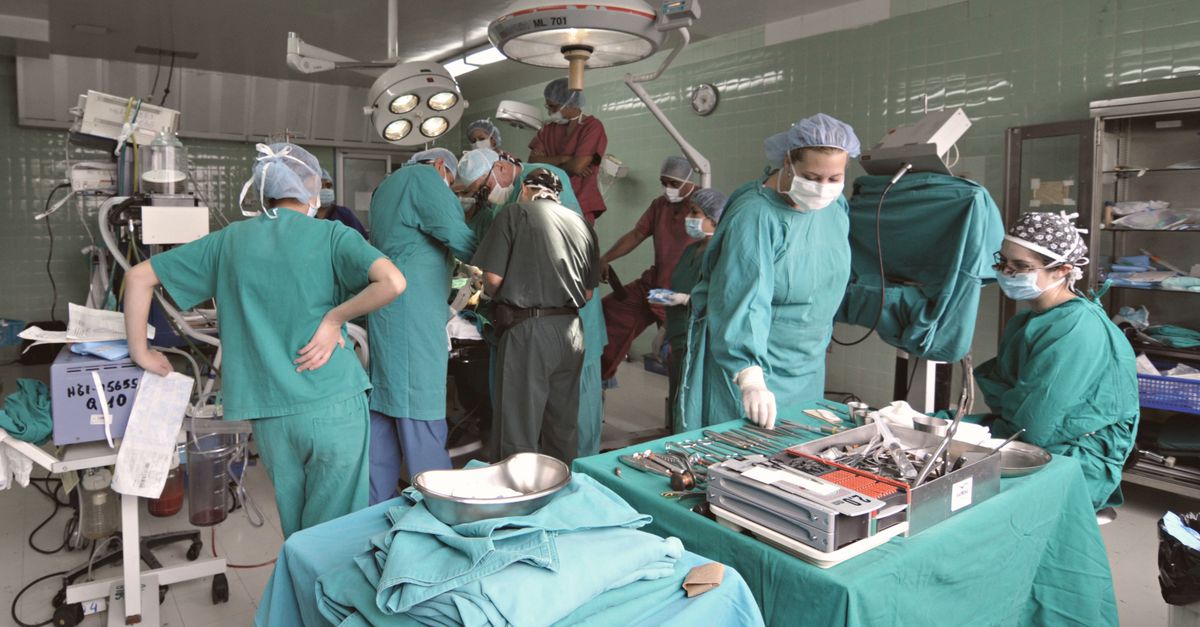
US hospitals are leveraging technology to streamline operations, improve patient care, and reduce costs, transforming the healthcare landscape.
In the intricate world of U.S. healthcare, hospitals are turning to advanced technology to streamline operations and improve patient care. With the Centers for Medicare & Medicaid Services (CMS) pushing for value-based care and the Affordable Care Act (ACA) incentivizing efficiency, hospitals are increasingly dependent on digital solutions to meet these demands.
AI and Machine Learning Revolutionizing Diagnosis
Artificial Intelligence (AI) and machine learning are redefining diagnostic processes in hospitals. Companies like IBM Watson Health have partnered with institutions like the Mayo Clinic to enhance diagnostic accuracy. These AI systems analyze medical images and patient data, offering insights that can lead to earlier and more precise diagnoses. This not only improves patient outcomes but also reduces the time and cost associated with lengthy diagnostic processes.
The Rise of Telemedicine
Telemedicine has become a staple in hospital operations, especially accelerated by the COVID-19 pandemic. With the support of the Department of Health and Human Services (HHS), telehealth services have expanded significantly. The ability to conduct virtual consultations has reduced the burden on emergency rooms and outpatient clinics, providing a convenient alternative for patients. In 2020 alone, telehealth visits surged by over 50%, a trend that continues as hospitals integrate these services into their standard offerings.
Electronic Health Records Enhancing Patient Management
The transition to Electronic Health Records (EHRs) has been a major shift in hospital operations. Under the Health Information Technology for Economic and Clinical Health (HITECH) Act, hospitals were incentivized to adopt EHRs, leading to a near-universal implementation. These digital records improve the coordination of care, reduce errors, and assist in regulatory compliance by ensuring accurate and accessible patient data. With interoperability standards set by the Office of the National Coordinator for Health Information Technology (ONC), different healthcare systems can now share patient information seamlessly.
Automation Streamlining Administrative Tasks
Administrative efficiency is crucial for hospital operations, and automation technologies are playing a key role. Robotic process automation (RPA) is being used to handle repetitive tasks such as billing, scheduling, and inventory management. This not only reduces administrative costs but also frees up staff to focus on patient care. For instance, the Cleveland Clinic has implemented RPA to streamline its supply chain operations, resulting in significant time and cost savings.
Wearable Technology and Remote Monitoring
Wearable health technology is another frontier being explored by U.S. hospitals. Devices that monitor vital signs and other health metrics in real-time offer an unprecedented level of patient engagement and data collection. Hospitals are using this data to track patient health trends and preemptively address potential issues. The FDA has approved numerous devices for clinical use, encouraging their integration into mainstream healthcare practices.
As these technologies continue to evolve, hospitals must navigate challenges such as data security, patient privacy, and the digital divide. However, the trajectory is clear: technology is reshaping hospital operations, making them more efficient, patient-centered, and cost-effective.