
How Smart Hospitals Are Shaping the Future of U.S. Healthcare
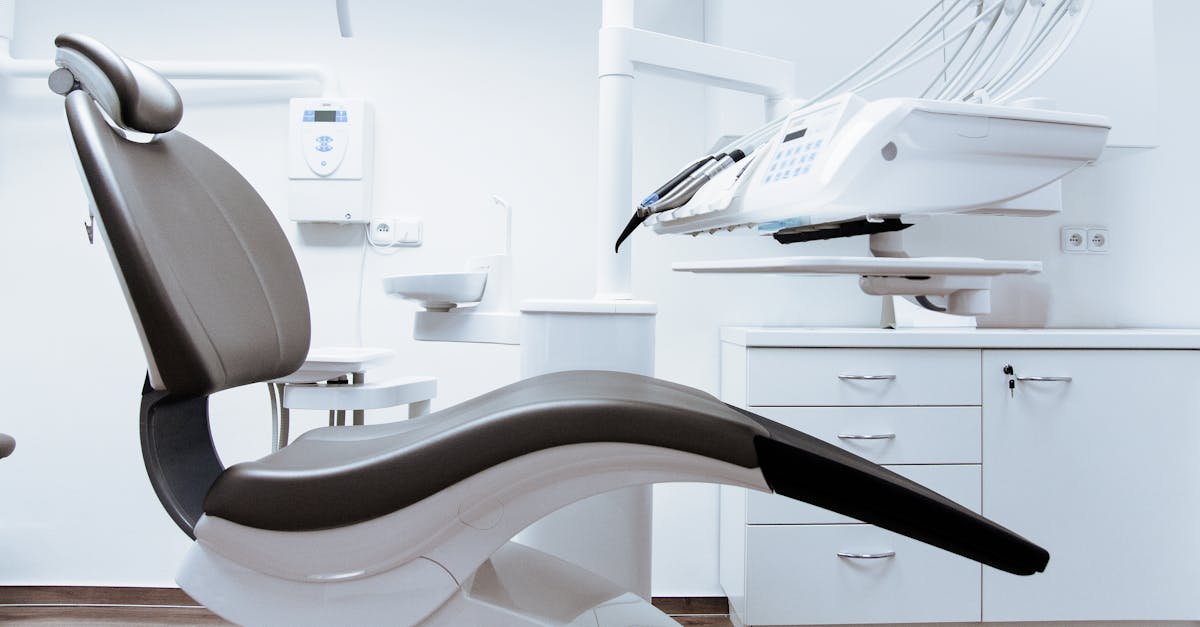
Smart hospitals are revolutionizing U.S. healthcare with AI, IoT, and data-driven practices, promising enhanced patient care and operational efficiency.
As the healthcare industry grapples with rising costs and an aging population, smart hospitals are emerging as a beacon of innovation and efficiency. Leveraging advanced technologies like artificial intelligence (AI), the Internet of Things (IoT), and big data analytics, these hospitals promise to revolutionize patient care and streamline hospital operations across the United States.
Transforming Patient Care with AI and IoT
AI and IoT are not just buzzwords; they are at the forefront of transforming patient care in smart hospitals. By utilizing AI algorithms, hospitals can predict patient deterioration and manage chronic diseases more effectively. For instance, tools like AI-driven predictive analytics are being used to forecast patient outcomes and tailor personalized treatment plans, which are becoming increasingly common in leading U.S. hospitals.
IoT, on the other hand, is enhancing patient monitoring through devices that continuously track vital signs and send real-time data to healthcare providers. This technology enables a proactive approach to patient care, reducing the need for hospital readmissions, a key concern for Medicare under the Affordable Care Act (ACA). The FDA has also been instrumental in approving these cutting-edge devices, ensuring they meet stringent safety standards.
Operational Efficiency Through Automation
Smart hospitals are not only about improving patient outcomes; they also aim to enhance operational efficiency. Automation technologies such as robotic process automation (RPA) are being implemented to handle administrative tasks like scheduling and billing, which frees up healthcare professionals to focus more on patient care.
Moreover, automated systems for inventory management and supply chain logistics help minimize waste and decrease costs, a crucial factor as hospitals face financial pressures from both private insurers and government payers like Medicaid and Medicare. These efficiencies are vital in a landscape where the Centers for Medicare & Medicaid Services (CMS) continually advocates for cost-effective healthcare solutions.
Data-Driven Decision Making
The integration of big data analytics in smart hospitals allows for more informed decision-making by hospital administrators and clinicians. By analyzing vast amounts of health data, hospitals can identify trends, improve diagnostic accuracy, and optimize resource allocation. The Department of Health and Human Services (HHS) supports these data-driven initiatives through its Health Information Technology for Economic and Clinical Health (HITECH) Act, promoting the adoption of electronic health records (EHRs).
Data security remains a top concern, particularly in safeguarding patient information. Hospitals must comply with the Health Insurance Portability and Accountability Act (HIPAA) to protect patient privacy while utilizing data analytics to improve healthcare delivery.
The Challenges of Implementation
Despite the promising benefits, the transition to smart hospitals is not without challenges. High initial costs of technology investments and the need for staff training present significant barriers. Additionally, the integration of new systems with existing hospital infrastructure can be complex and time-consuming. However, as more hospitals in the U.S. begin to adopt these technologies, economies of scale and increased familiarity are expected to ease these challenges.
The National Institutes of Health (NIH) and private sector collaborations are crucial in driving research and development to overcome these hurdles, ensuring that smart hospital technologies are accessible and beneficial to all healthcare providers.
As smart hospitals continue to evolve, they represent a transformative shift in the U.S. healthcare system. Their success will depend on ongoing collaboration between technology providers, healthcare professionals, and regulatory bodies. With these efforts, the future of smart hospitals holds the promise of a more efficient and patient-centered healthcare experience.