
How Smart Hospital Technologies Are Revolutionizing Patient Care
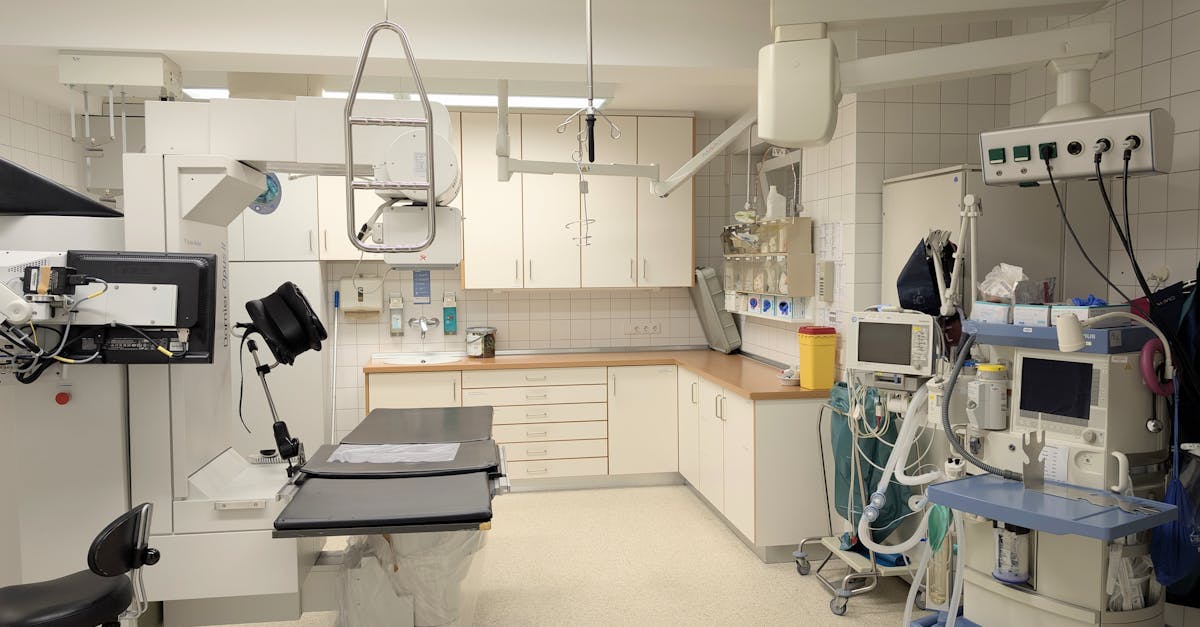
Smart hospital technologies are transforming patient care through AI, IoT, and advanced data analytics, enhancing efficiency and outcomes across healthcare systems.
At the forefront of modern healthcare, smart hospital technologies are reshaping how medical facilities operate and deliver care. These innovations, driven by artificial intelligence (AI), the Internet of Things (IoT), and advanced data analytics, promise to improve patient outcomes, streamline workflows, and reduce operational costs. As hospitals increasingly adopt these technologies, the landscape of healthcare delivery is undergoing a fundamental transformation.
AI and Its Role in Diagnostics
One of the most significant impacts of smart hospital technologies is in the realm of diagnostics, where AI is making a marked difference. AI algorithms are now capable of analyzing medical images faster and often more accurately than human clinicians. For instance, Google's DeepMind has developed algorithms that can detect over 50 different eye diseases from scans with 94% accuracy. This level of precision assists doctors in making quicker, informed decisions, ultimately leading to better patient outcomes.
Moreover, AI-driven predictive analytics are being used to anticipate patient needs and potential complications. Hospitals like Mount Sinai in New York use AI to predict which patients are at high risk of complications like sepsis, allowing for early intervention and tailored treatment plans. This proactive approach not only saves lives but also significantly reduces the burden on hospital resources.
IoT Devices Enhancing Patient Monitoring
The integration of IoT devices in hospitals has revolutionized patient monitoring. Smart beds equipped with sensors can automatically adjust to optimize patient comfort and alert staff to potential pressure ulcers. Wearable devices monitor vital signs in real-time, providing continuous data that can be accessed by healthcare professionals remotely. This constant monitoring helps in early detection of any deviations from normal patterns, allowing for timely interventions.
For example, the Cleveland Clinic has adopted IoT solutions to monitor heart failure patients at home, reducing readmissions by 50%. Such innovations extend the care continuum beyond hospital walls, ensuring patients receive consistent and effective care even post-discharge.
Data Analytics Driving Operational Efficiency
Beyond direct patient care, smart hospital technologies are enhancing operational efficiency through sophisticated data analytics. By analyzing large volumes of data, hospitals can optimize staffing levels, manage supply chains more effectively, and improve bed management processes. Hospitals like Johns Hopkins have implemented predictive analytics to reduce emergency department wait times by up to 50%, drastically improving patient experience and throughput.
Additionally, data analytics facilitate personalized medicine. By examining a patient’s genetic makeup and medical history, healthcare providers can tailor treatments specifically to individual needs, improving effectiveness and minimizing adverse reactions. This approach represents a shift from a one-size-fits-all model to personalized patient care.
Challenges and Considerations
Despite the promising benefits, the integration of smart technologies in hospitals is not without challenges. Data privacy and security remain paramount concerns as healthcare systems handle sensitive patient information. Ensuring compliance with regulations like HIPAA in the U.S. is critical to maintaining patient trust and safeguarding information.
Furthermore, the initial cost of implementing these technologies can be prohibitive for some institutions. Smaller hospitals might struggle to find the budget for such investments, potentially widening the gap in healthcare quality between urban and rural areas. Strategic partnerships and government incentives could play a pivotal role in overcoming these financial barriers.
Training and change management are also essential components. Healthcare professionals must be adequately trained to use new technologies, and hospitals must manage the transition carefully to prevent disruptions in service. Ensuring that staff buy into the new systems can foster a culture of innovation and continuous improvement.
The Future of Smart Hospital Technologies
As smart hospital technologies continue to evolve, their potential to transform healthcare is immense. The ongoing advancements in AI, IoT, and data analytics will likely lead to even more sophisticated diagnostic tools, enhanced remote monitoring capabilities, and further personalized treatment options. As these technologies become more accessible and affordable, they may soon become standard practice in hospitals worldwide.
Smart hospitals represent the future of healthcare, where technology and human expertise converge to create an efficient, patient-centered system. As one hospital administrator aptly put it, “We are not replacing doctors with technology; we are enhancing their ability to deliver the best possible care.”