
How Recreation Shapes Our Mental Health: A Deeper Dive
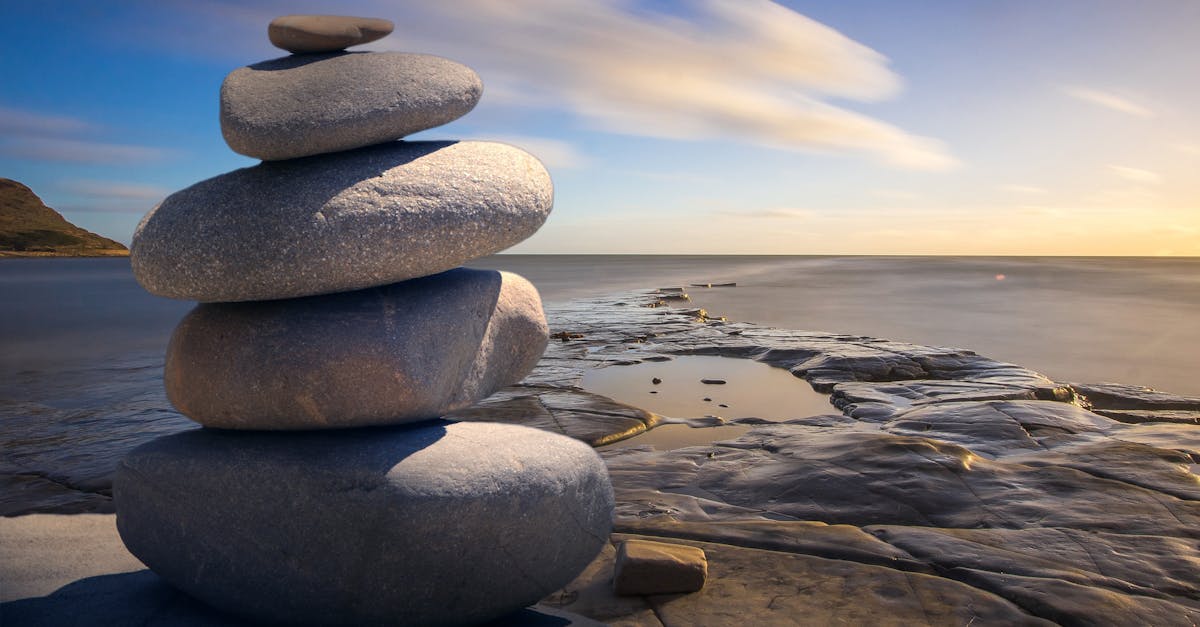
Exploring the profound impact of recreational activities on mental wellness and how it can transform societal health dynamics.
In recent years, mental health has ascended the priority list of public health concerns, with experts advocating for comprehensive strategies to combat rising levels of stress and anxiety. An often overlooked yet potent antidote lies not in medication or therapy alone but in the simple act of recreation. Engaging in recreational activities, from sports to hobbies, can significantly enhance mental wellness, offering a buffer against the pressures of modern life.
Why Recreation Matters for Mental Wellness
The link between physical activity and mental health is well-established. According to the World Health Organization, regular exercise reduces symptoms of depression and anxiety while improving mood. Recreation, however, extends beyond physical activity to include any leisure pursuit that refreshes the mind and body. Whether it's painting, hiking, or playing chess, these activities provide crucial mental breaks.
Dr. Sarah Johnson, a psychologist specializing in stress management, notes, "Recreation serves as an outlet for pent-up emotions and a means to recalibrate our focus. It allows individuals to step back from daily stressors and return with renewed perspective." This mental reset is invaluable in maintaining emotional balance and resilience.
The Science Behind Recreational Benefits
Research supports the positive impact of recreation on mental health. A study published in the Journal of Happiness Studies found that individuals who regularly engage in leisure activities report higher levels of life satisfaction and lower levels of stress. The underlying mechanism is attributed to the release of endorphins, the body's natural mood elevators, during enjoyable activities.
Moreover, recreational activities often facilitate social interactions, which are crucial for mental wellness. Playing a team sport or participating in a club fosters a sense of belonging and community, combating feelings of isolation that are prevalent in today's digital age.
From Structured Sports to Solitary Pursuits
While team sports like soccer and basketball are well-known for their mental health benefits, solitary recreational activities also hold significant value. Activities such as gardening or reading can provide a meditative experience, reducing stress and promoting relaxation. These activities allow individuals to engage with their surroundings more mindfully, enhancing their psychological well-being.
The key is personalization. What works for one person may not work for another. Thus, it's essential for individuals to explore various recreational activities to find what genuinely brings them joy and relaxation.
Barriers to Recreation and How to Overcome Them
Despite its benefits, many face barriers to engaging in recreational activities. Time constraints, financial limitations, and lack of motivation can all hinder participation. Employers and communities can play a pivotal role in addressing these challenges by creating flexible schedules, providing affordable access to recreational facilities, and promoting wellness programs.
Some organizations have successfully integrated recreation into the workplace. For instance, Google offers employees access to sports facilities and leisure areas to promote a healthy work-life balance. Such initiatives not only boost employee morale but also enhance productivity.
A Path Forward
As mental health issues continue to rise globally, integrating recreation into daily life becomes increasingly important. Schools, workplaces, and communities must prioritize recreational opportunities as a means to foster mental wellness. By embracing the power of recreation, society can cultivate a healthier, happier population.
Ultimately, the path to mental wellness is not one-size-fits-all. However, incorporating regular recreational activities into our lives provides a versatile tool to improve mental health. As we move forward, recognizing and utilizing the therapeutic power of recreation could reshape our approach to mental wellness.