
How Preventive Screenings Can Cut Healthcare Costs Drastically
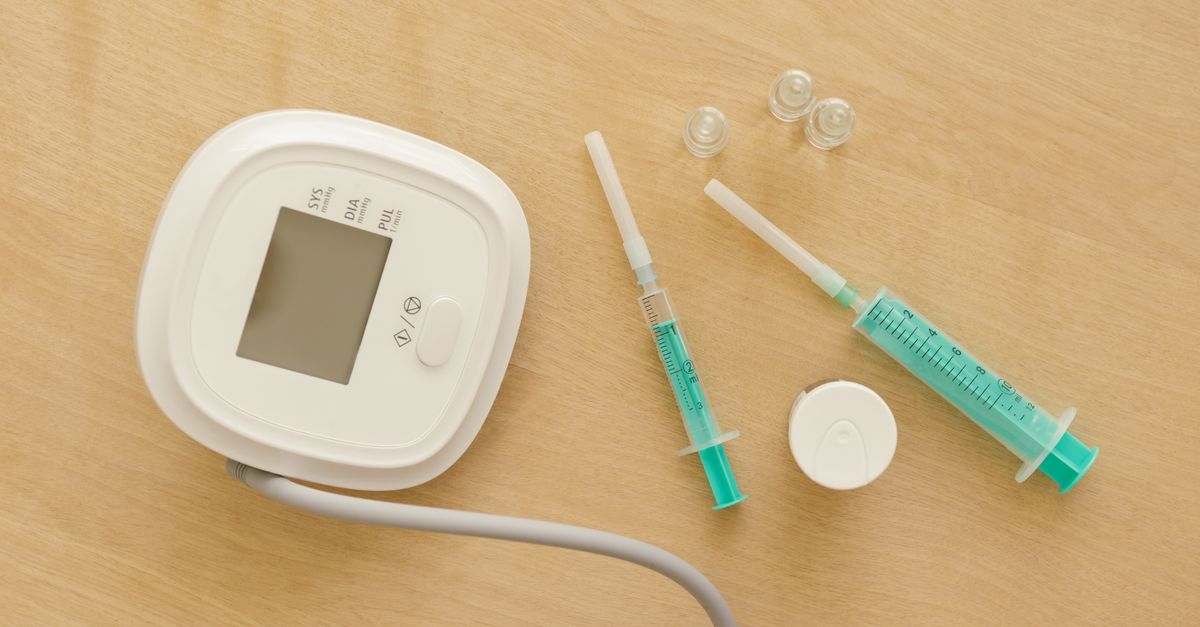
Preventive screenings can save lives and significantly reduce healthcare expenses by catching diseases early.
Preventive screenings have emerged as a vital strategy in the battle to reduce healthcare costs. As the healthcare system grapples with rising expenses, early detection through screenings offers a practical solution to not only save lives but also curtail financial burdens.
The Financial Impact of Early Detection
The cost of treating advanced diseases far outweighs the expenses associated with early detection. According to a 2022 study by the American Cancer Society, early-stage cancer treatment can be 50% less expensive than treating cancer at an advanced stage. For instance, detecting colorectal cancer early can lead to a 68% reduction in treatment costs, as per findings published in the Journal of the National Cancer Institute.
Furthermore, the Centers for Disease Control and Prevention (CDC) estimates that chronic diseases, which are often preventable, account for 75% of the nation's healthcare spending. Implementing regular screenings for conditions such as diabetes and heart disease can lead to significant savings by preventing complications that require costly interventions.
Why Screenings Are Underutilized
Despite their proven benefits, preventive screenings remain underutilized. A report from the Kaiser Family Foundation highlights that only 8% of adults aged 35 to 64 receive all high-priority clinical preventive services recommended for them. Several barriers contribute to this underutilization, including lack of awareness, limited access to healthcare, and financial constraints.
Moreover, the out-of-pocket costs for some screenings can deter individuals from seeking them. Insurance coverage can be inconsistent, especially for those without comprehensive plans. The Affordable Care Act attempted to mitigate this by mandating coverage for certain preventive services without cost-sharing, but gaps remain.
Case Studies in Cost Reduction
Several health systems have successfully implemented preventive screening programs that illustrate their cost-saving potential. The Cleveland Clinic, through its proactive screening initiatives, reported a 35% reduction in emergency room visits and hospital admissions for chronic conditions over five years.
Another notable example is the Veterans Health Administration, which has integrated comprehensive screenings into routine care for veterans. This initiative has not only improved health outcomes but also reduced healthcare costs by an estimated $1 billion annually.
Policy Changes and Future Opportunities
Policymakers are recognizing the economic benefits of preventive screenings, leading to increased funding and support for these programs. The U.S. Preventive Services Task Force regularly updates its recommendations, encouraging healthcare providers to prioritize screenings such as mammograms and colonoscopies.
Looking ahead, advancements in technology, like AI-driven diagnostic tools, hold promise for enhancing the accuracy and accessibility of screenings. These innovations could further drive down costs by increasing early detection rates and reducing false positives.
As healthcare systems worldwide strive to balance quality care with financial sustainability, preventive screenings stand out as a clear pathway to achieving both. By investing in early detection, we can create a more efficient healthcare system that saves lives and reduces costs.