
How oral diabetes medicines work in the body
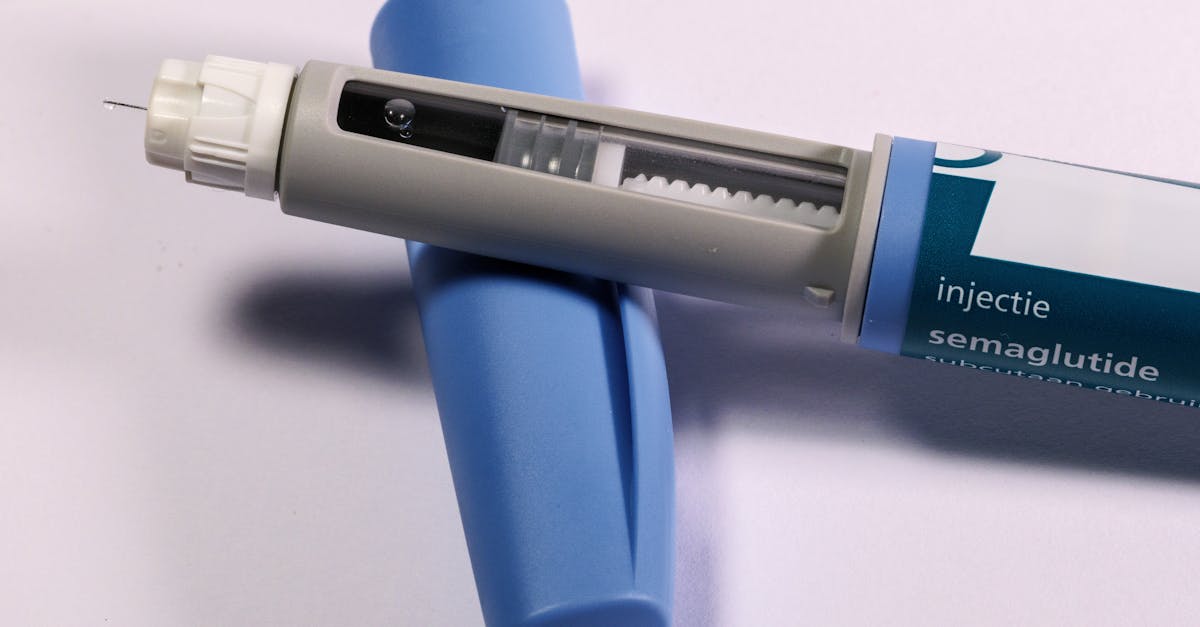
Oral diabetes medicines play a crucial role in managing blood sugar levels.
Diabetes is a chronic condition that affects millions worldwide, characterized by elevated blood sugar levels. Managing diabetes often involves lifestyle changes, regular monitoring, and, in many cases, medication. Oral diabetes medications play a crucial role in helping individuals control their blood sugar levels. Understanding how these medications work in the body is essential for patients and healthcare professionals alike, as it can lead to more effective management strategies and improved health outcomes.
Understanding the Mechanisms of Oral Diabetes Medications
Oral diabetes medications, also known as antidiabetic drugs, primarily target various biological pathways to lower blood sugar levels. These medications are classified into several groups, each with unique mechanisms of action. For instance, biguanides, like metformin, work by reducing hepatic glucose production and enhancing insulin sensitivity in peripheral tissues. This dual effect helps to lower blood glucose levels without causing significant hypoglycemia, a common concern in diabetes management.
Another class of oral medications, sulfonylureas, stimulates the pancreas to release more insulin. By binding to specific receptors on pancreatic beta cells, these drugs increase insulin secretion in response to meals. This mechanism is particularly beneficial for individuals with type 2 diabetes whose bodies may still produce insulin but at insufficient levels. However, over-reliance on insulin secretion can lead to the risk of hypoglycemia if not managed properly.
DPP-4 inhibitors and SGLT2 inhibitors represent other examples of oral diabetes medications. DPP-4 inhibitors enhance incretin hormones, which help regulate insulin release and reduce glucagon levels when blood sugar is elevated. Conversely, SGLT2 inhibitors block glucose reabsorption in the kidneys, promoting urinary glucose excretion. Each class of medication provides unique advantages and should be selected based on individual patient needs and health profiles.
The Role of Insulin and Blood Sugar Regulation in Diabetes
Insulin is a critical hormone produced by the pancreas that helps regulate blood sugar levels. In healthy individuals, insulin facilitates the uptake of glucose into cells, where it can be utilized for energy. However, in people with diabetes, this process is disrupted due to either insufficient insulin production or insulin resistance, leading to elevated blood glucose levels. Oral diabetes medications strive to mimic or enhance the natural actions of insulin to maintain optimal blood sugar levels.
While many oral medications focus on enhancing insulin sensitivity or stimulating its production, they often work in conjunction with lifestyle interventions. Dietary modifications and physical activity play a vital role in blood glucose regulation, and combining these changes with medication can yield better health outcomes. For example, a balanced diet rich in whole grains, fiber, and healthy fats can complement the effects of medications like metformin, improving overall glycemic control.
Understanding the relationship between insulin and blood sugar regulation is critical for patients managing diabetes. Regular monitoring of blood glucose levels allows individuals to see how their medications and lifestyle changes impact their health. By working closely with healthcare professionals, patients can develop personalized management plans that incorporate oral diabetes medications effectively, promoting long-term well-being.
Oral diabetes medications offer essential tools for managing blood sugar levels in individuals with diabetes. By understanding how these medications work and their role in conjunction with insulin and lifestyle changes, patients can make informed decisions regarding their health. As research continues to progress in the field of diabetes management, it remains crucial to collaborate with healthcare professionals to tailor treatment plans that suit individual needs, ensuring optimal control over diabetes and enhanced quality of life.