
How often should Indians test blood sugar levels
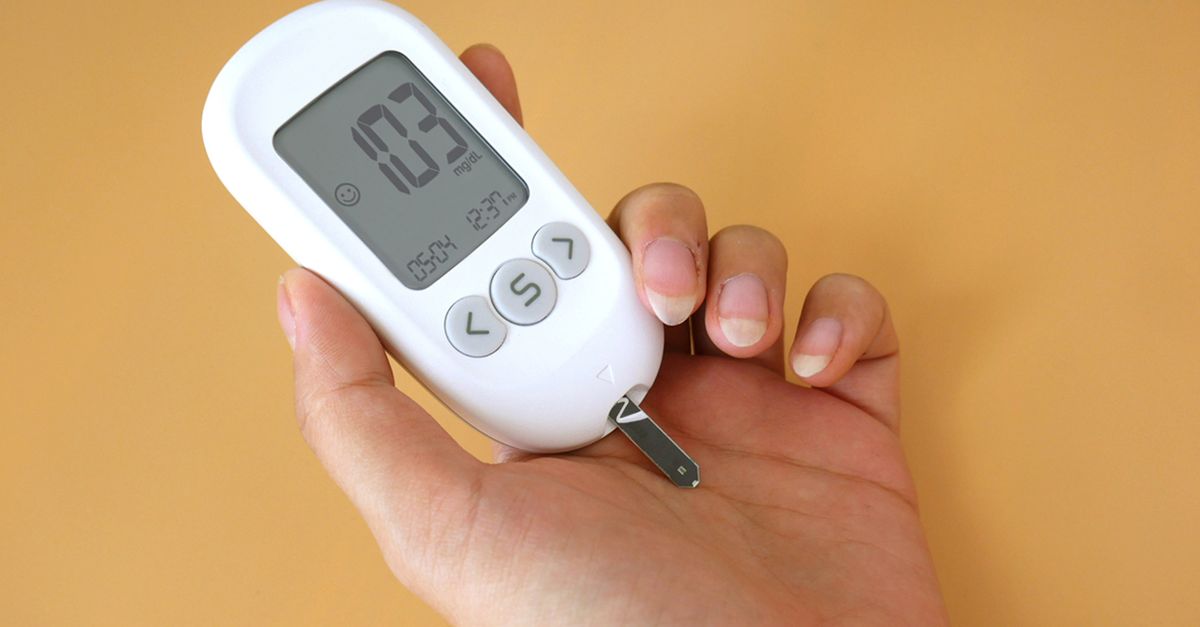
Regular blood sugar testing is vital for managing health in India.
Regular monitoring of blood sugar levels is crucial for managing diabetes and maintaining overall health. In India, where the prevalence of diabetes is on the rise, understanding how often to test blood sugar levels is vital. The frequency of testing can significantly influence a person's ability to control their condition, yet it varies based on individual circumstances. This article explores the recommended frequency of blood sugar testing for Indians, alongside the factors influencing these monitoring needs.
Recommended Blood Sugar Testing Frequency for Indians
For individuals diagnosed with diabetes, the frequency of blood sugar testing is generally guided by their treatment plan and overall health status. The American Diabetes Association suggests that people on insulin therapy should monitor their blood sugar levels multiple times a day, particularly before meals and at bedtime. In contrast, those managing their condition through diet and exercise may only require testing a few times per week. In the Indian context, where dietary habits and lifestyle can vary greatly, it is essential to tailor the testing frequency to individual needs.
In addition to daily testing, periodic HbA1c tests—usually conducted every three to six months—are recommended to assess long-term blood sugar control. This test provides insight into average blood sugar levels over the past two to three months and is crucial for adjusting treatment protocols. Indians are encouraged to consult healthcare professionals to determine the appropriate frequency of both daily blood sugar monitoring and periodic HbA1c assessments, taking into account their unique health profiles.
Finally, individuals who are at high risk for developing diabetes, such as those with a family history or metabolic syndrome, should proactively monitor their blood sugar levels as well. Early detection of elevated glucose levels can lead to timely interventions and lifestyle modifications, helping to prevent the progression to diabetes. This proactive approach is essential in the Indian population, where lifestyle diseases are becoming increasingly common.
Factors Influencing Blood Sugar Monitoring Needs in India
Several factors can influence how often an individual should test their blood sugar levels in India. One significant factor is the type of diabetes a person has—Type 1 diabetes typically requires more frequent testing compared to Type 2 diabetes. For Type 2 diabetics, the need for testing may vary depending on their treatment regimen, be it medication, insulin, or lifestyle changes. Understanding these distinctions is crucial for effective management and can guide individuals in their monitoring routines.
Cultural and regional dietary habits also play a role in determining blood sugar testing frequency. The diverse Indian diet, varying from region to region, can impact blood sugar levels significantly. For instance, individuals consuming a high carbohydrate diet may need more frequent monitoring to manage spikes in glucose levels post meals. Therefore, food choices and meal timing should be considered when establishing a testing schedule, emphasizing the need for personalized approaches.
Additionally, lifestyle factors such as physical activity, stress levels, and sleep patterns can affect blood sugar levels, necessitating adjustments in testing frequency. For example, people who engage in regular exercise may find their blood sugar levels fluctuate more and thus require more frequent monitoring. Conversely, those under stress may experience elevated blood sugar levels, prompting the need for additional tests. Recognizing these influences is essential for individuals to develop an effective blood sugar management plan.
In conclusion, the frequency of blood sugar testing for Indians varies based on individual circumstances, including the type of diabetes, treatment protocols, dietary habits, and lifestyle factors. Regular monitoring can significantly impact diabetes management and overall health. Therefore, it is essential for individuals to work closely with healthcare professionals to establish a personalized testing routine that meets their unique needs. By doing so, they can take proactive steps toward maintaining their health and preventing complications associated with diabetes.