
How Medical Devices Revolutionize Patient Outcomes in the US
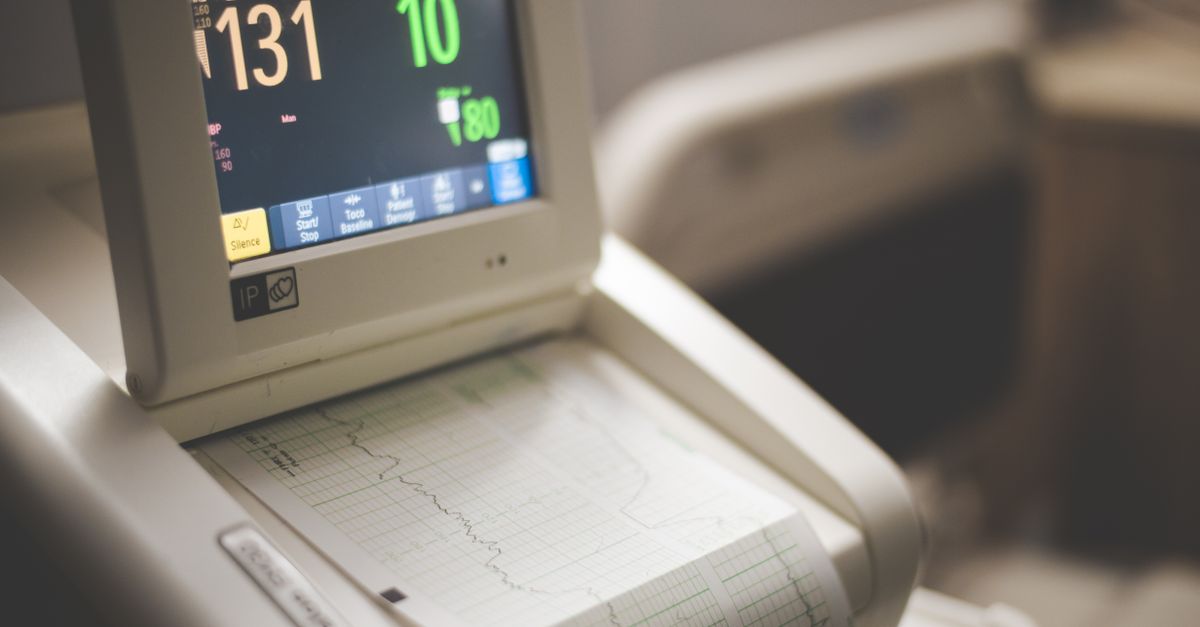
Medical devices are transforming US healthcare, enhancing patient outcomes through innovation and regulatory support.
In the United States, medical devices are at the forefront of enhancing patient outcomes, reshaping how healthcare is delivered and experienced. From pacemakers to MRI machines, these technologies have become indispensable in diagnosing, monitoring, and treating numerous conditions, directly impacting the quality of care patients receive.
The Role of FDA in Ensuring Device Safety
The Food and Drug Administration (FDA) plays a critical role in ensuring that medical devices used in the US are safe and effective. Through its rigorous approval processes, the FDA evaluates devices for their potential benefits and risks. Recent advancements in regulatory pathways, such as the Breakthrough Devices Program, aim to expedite the development and review of technologies that promise significant improvements in patient care. This program has facilitated quicker access to vital innovations, such as the HeartLogic Heart Failure Diagnostic, a tool that predicts heart failure events weeks in advance.
Impact on Chronic Disease Management
Chronic diseases, which account for 90% of the $4.1 trillion in annual healthcare costs in the US, benefit greatly from medical devices. Continuous glucose monitors (CGMs) have revolutionized diabetes management, providing real-time data to patients and physicians. This technology has not only improved glucose control but has also significantly reduced the incidence of complications such as diabetic ketoacidosis. Similarly, implantable cardioverter-defibrillators (ICDs) have improved survival rates for patients with life-threatening arrhythmias by automatically correcting abnormal heart rhythms.
Integration with Digital Health Technologies
The integration of medical devices with digital health technologies is another significant trend improving patient outcomes. Wearable devices, such as smartwatches equipped with ECG capabilities, allow for continuous health monitoring and timely medical intervention. The Centers for Medicare & Medicaid Services (CMS) has recognized the value of these technologies and has begun reimbursing for remote patient monitoring, incentivizing their adoption across healthcare systems. This shift not only enhances patient engagement but also allows for personalized treatment plans, tailored to individual health data.
Challenges and Opportunities in Device Implementation
While the benefits of medical devices are profound, challenges remain in their implementation. High costs and disparities in access can limit the widespread adoption of advanced technologies. However, initiatives like the Affordable Care Act (ACA) have aimed to broaden access to essential health services, including medical device coverage. Moreover, the Health and Human Services (HHS) department continues to support research and innovation through grants and partnerships, fostering an environment where new devices can thrive.
Looking Ahead: The Future of Medical Devices
As the landscape of medical devices continues to evolve, their potential to transform patient outcomes is vast. Artificial intelligence and machine learning are poised to drive the next wave of innovation, enabling even more precise and predictive healthcare solutions. Institutions like the National Institutes of Health (NIH) are investing in research to explore these frontiers, promising a future where devices not only support treatment but also play a preventive role in healthcare.
The journey of medical devices from conception to clinical use is complex, yet the ultimate goal remains clear: improving the lives of patients. As technology advances and regulatory pathways adapt, the US healthcare system stands on the brink of a new era in patient care, driven by the relentless pursuit of innovation.