
How IoMT is Transforming Patient Care and Medical Efficiency
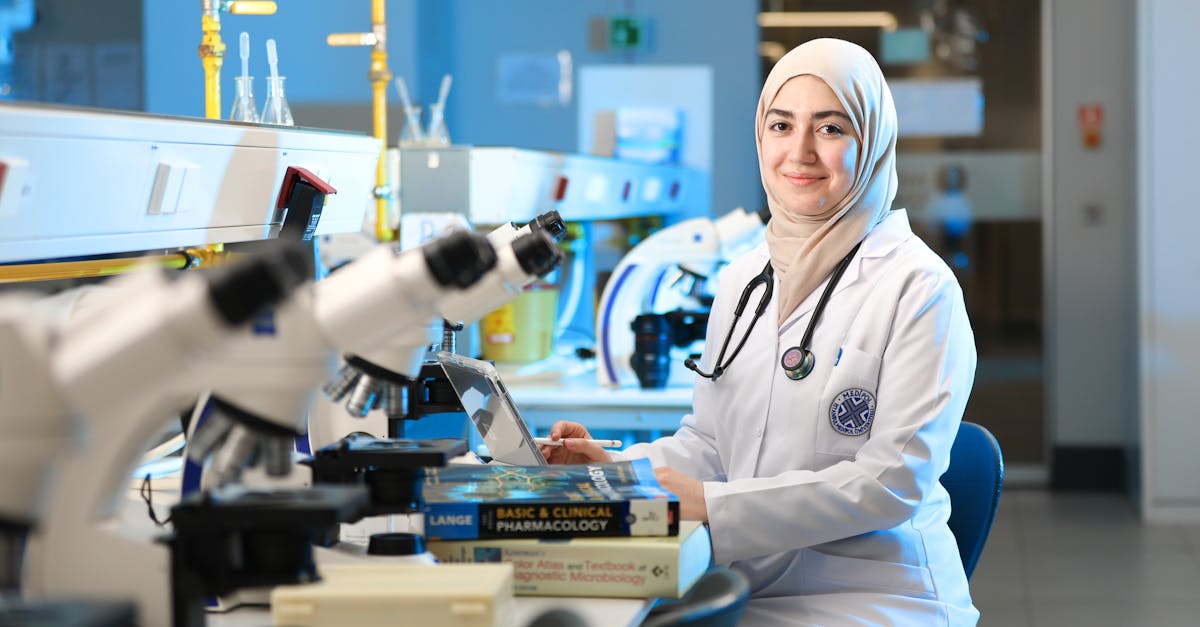
IoMT devices are revolutionizing healthcare by improving patient monitoring, diagnostics, and operational efficiency.
The Internet of Medical Things (IoMT) is reshaping the healthcare landscape, offering unprecedented opportunities for patient care, diagnostics, and operational efficiency. This network of connected devices and applications collects and processes healthcare data, providing real-time insights into patient conditions and enhancing the decision-making process for healthcare professionals.
Real-Time Patient Monitoring Revolution
One of the most significant impacts of IoMT is its ability to monitor patients in real time. Devices such as wearable heart monitors, glucose meters, and smart inhalers continuously track vital signs and other health metrics, allowing doctors to receive immediate alerts when a patient's condition changes. For instance, continuous glucose monitors can alert diabetic patients and their doctors about critical blood sugar levels, enabling timely interventions and reducing the risk of emergencies.
In hospitals, IoMT devices help in tracking the health status of patients in intensive care units, ensuring that no critical change goes unnoticed. This constant monitoring reduces the burden on healthcare staff while increasing patient safety and improving outcomes.
Enhanced Diagnostic Capabilities
IoMT also enhances diagnostic capabilities through smart diagnostic devices. These devices, integrated with AI and machine learning algorithms, can analyze data to detect patterns and predict potential health issues before they become severe. For example, smart imaging devices can identify anomalies in scans that might not be visible to the human eye, allowing for earlier detection of diseases such as cancer.
Moreover, telemedicine platforms equipped with IoMT devices enable remote diagnostics, bringing healthcare services to patients in rural and underserved areas. This accessibility not only improves patient outcomes but also reduces healthcare disparities across different regions.
Streamlining Hospital Operations
Beyond patient care, IoMT is streamlining hospital operations and reducing costs. By automating routine tasks such as inventory management, IoMT devices ensure that medical supplies are adequately stocked. Smart sensors track the usage and location of medical equipment, preventing loss and ensuring that devices are available when needed.
IoMT also contributes to energy management in healthcare facilities. Smart thermostats and lighting systems adjust to optimize energy consumption, reducing operational costs and the environmental footprint of hospitals.
The Challenges of Data Security and Privacy
Despite the clear benefits, the integration of IoMT in healthcare comes with challenges, particularly concerning data security and privacy. The vast amount of sensitive health data collected by IoMT devices presents a tempting target for cybercriminals. Ensuring that this data is secure and that patient privacy is maintained is a significant concern for healthcare providers.
Healthcare institutions must invest in robust cybersecurity measures and educate their staff about potential threats. Regulations such as the Health Insurance Portability and Accountability Act (HIPAA) provide a framework for protecting patient information, but continued vigilance and adaptation to new threats are essential.
The Future of IoMT in Healthcare
The future of IoMT in healthcare looks promising, with advances in technology expected to further enhance its capabilities. The integration of 5G technology will enable faster data transmission, improving the responsiveness and reliability of IoMT devices. Additionally, advancements in AI and machine learning will allow for more sophisticated data analysis and predictive healthcare solutions.
As IoMT continues to evolve, collaboration between technology companies, healthcare providers, and policymakers will be crucial in addressing challenges and maximizing its potential. As Dr. John Halamka, a renowned digital health expert, suggests, "The next decade will see IoMT not just as an adjunct to healthcare but as a core component of the healthcare delivery system."