
How hospitals can improve communication after patient discharge
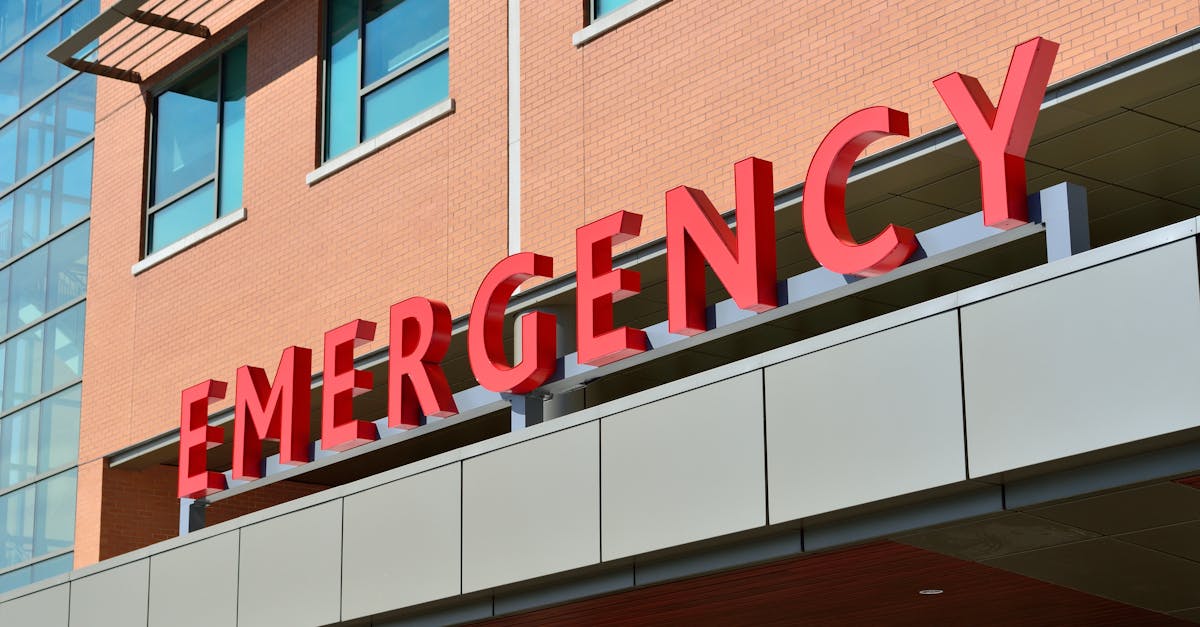
Effective communication post-discharge can enhance patient care.
Effective communication post-discharge is crucial for ensuring patient safety and promoting better health outcomes. Many patients find themselves facing challenges once they leave the hospital, including confusion about medication, follow-up appointments, or lifestyle changes. This article explores how hospitals can improve communication with patients after discharge, which is essential for both patient satisfaction and the overall quality of healthcare.
Enhancing Post-Discharge Communication for Better Patient Care
In many cases, the transition from hospital to home can be overwhelming for patients. Discharge instructions may be provided quickly, often in a complex medical jargon that can be hard to understand. A study published in the "Journal of Hospital Medicine" found that almost 30% of patients reported confusion regarding their discharge instructions, which can lead to medication errors and avoidable readmissions. To combat this issue, hospitals should consider simplifying discharge materials, using plain language, and providing visual aids to ensure comprehension.
Moreover, follow-up communication plays a pivotal role in reinforcing the information given during discharge. Hospitals can implement follow-up phone calls or text messages to check in on the patient's recovery and answer any questions that may arise. Such initiatives have been shown to significantly improve patient adherence to treatment plans and reduce the rates of hospital readmissions. A proactive approach to communication can help patients feel supported and more engaged in their own healthcare journey.
Lastly, involving family members or caregivers in the discharge planning process can enhance communication and understanding. Research indicates that patients who have their family members included in discussions are more likely to adhere to treatment regimens and experience better health outcomes. Hospitals should encourage family participation during discharge conversations and provide them with resources to assist their loved ones at home.
Strategies to Foster Clear Communication After Hospital Releases
One effective strategy for improving post-discharge communication is the implementation of discharge planning teams. These multidisciplinary teams can include nurses, social workers, pharmacists, and physicians, who work collaboratively to create a tailored discharge plan for each patient. By addressing the individual needs and circumstances of patients, the teams can ensure that essential information regarding follow-up appointments, medications, and home care is effectively communicated and understood.
Technology also offers innovative solutions for enhancing communication after discharge. Hospitals can adopt patient portals that allow patients to access their medical records, discharge instructions, and follow-up care information easily. These portals can serve as a centralized hub for patients to manage their health information, enabling them to track medications and appointments effectively. In addition, telehealth services can provide patients with easy access to healthcare professionals to address any concerns that may arise after leaving the hospital.
Finally, hospitals should prioritize training staff on effective communication techniques. By equipping healthcare providers with the skills to convey information clearly and empathetically, hospitals can foster a culture of open communication. This includes training on health literacy, which helps healthcare professionals recognize when patients may not fully understand their instructions and how to address those gaps. Improved communication training can lead to a more patient-centered approach, ultimately enhancing the quality of care provided.
Improving communication after patient discharge is essential for promoting better health outcomes and reducing readmission rates. By focusing on clear, accessible information, involving family members, and leveraging technology, hospitals can create a more supportive environment for patients. Additionally, ongoing staff training on communication strategies can reinforce a culture of care that prioritizes patient understanding and engagement. As the healthcare landscape continues to evolve, these improvements will be crucial in ensuring patients navigate their post-discharge journey with confidence and clarity.