
How Health Screening Trends Are Transforming Preventive Care
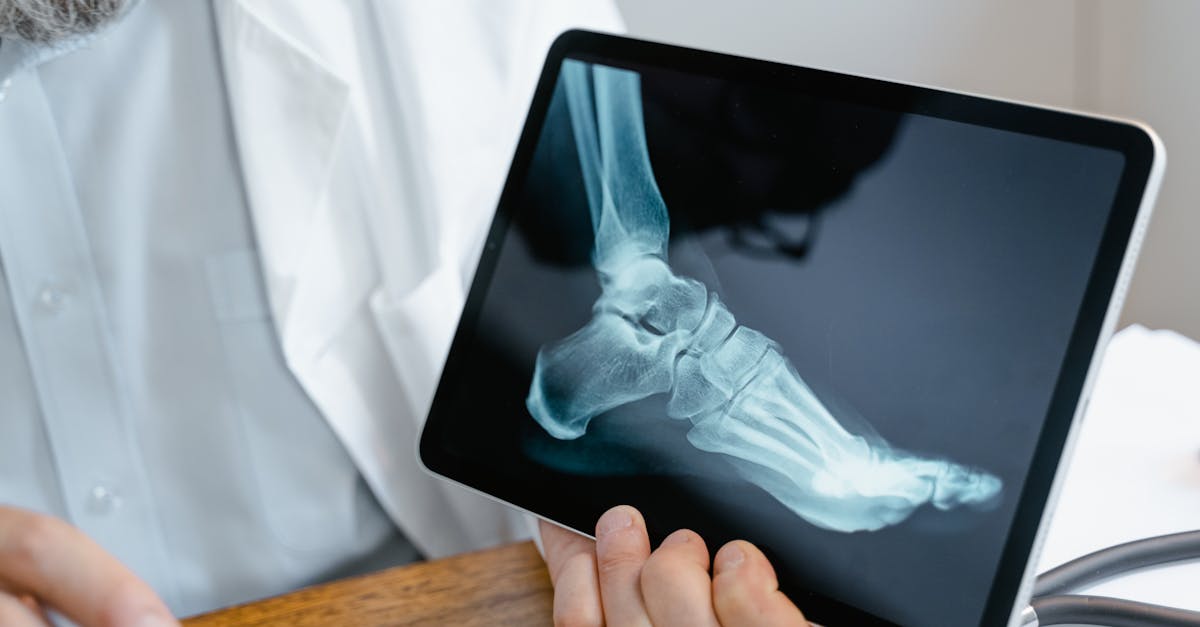
Health screening is evolving with AI and genomics, offering more personalized and early detection strategies.
In recent years, health screening has undergone significant transformations, driven by advancements in technology and a growing emphasis on preventive care. The evolution of health screening from traditional methods to more sophisticated, personalized approaches is reshaping how diseases are detected and managed. With the integration of artificial intelligence (AI) and genomics, health screening is becoming more precise and predictive, offering the promise of earlier interventions and better outcomes.
AI's Influence on Early Detection
Artificial intelligence is playing a pivotal role in the advancement of health screening. Algorithms that analyze vast amounts of medical data are now able to identify patterns and anomalies that might be missed by human eyes. For instance, AI-driven mammography can highlight potential areas of concern, reducing false positives and ensuring that fewer patients undergo unnecessary biopsies. This technology is not confined to cancer detection; AI is also being used to screen for cardiovascular diseases, diabetes, and other conditions, making early detection more efficient and less invasive.
AI's impact extends beyond mere detection. By continuously learning and adapting, AI systems provide healthcare professionals with robust data analytics, which help in tailoring preventive strategies to individual needs. The predictive capabilities of AI can forecast disease progression, allowing for timely interventions that could mitigate the impact of chronic conditions.
The Rise of Genomic Screening
Genomic screening represents another frontier in the evolution of health screening. By analyzing a person's genetic makeup, healthcare providers can predict an individual's susceptibility to certain diseases, tailor prevention plans, and even personalize treatment options. Companies like 23andMe and Helix have brought genomic testing to the consumer market, making it more accessible than ever before.
However, genomic screening is not without its challenges. The interpretation of genetic data requires extensive expertise, and ethical considerations around privacy and data security are paramount. Moreover, the cost of genomic sequencing can be prohibitive, although prices have been steadily decreasing. As the technology becomes more widespread, these challenges are being addressed with more robust frameworks and regulations.
Telehealth and Remote Screening
The COVID-19 pandemic accelerated the adoption of telehealth, which has since become an integral component of health screening. Remote consultations and digital health tools allow patients to undergo preliminary assessments without leaving their homes, overcoming barriers of distance and mobility. Telehealth platforms offer a convenient way to track health metrics, such as blood pressure and glucose levels, and facilitate regular monitoring for chronic conditions.
Remote screening technologies have also expanded access to care in underserved areas, bridging the gap in health disparities. Mobile health apps and wearable devices have become increasingly popular, providing real-time data that patients and healthcare providers can use to make informed decisions about health and lifestyle changes.
The Challenges of Data Integration
Despite the advancements, integrating diverse data sources remains a challenge. The vast amounts of data generated from AI algorithms, genomic information, and digital health tools need to be synthesized into a cohesive picture. Interoperability between different systems is crucial for effective data integration, yet achieving this remains a complex task.
Healthcare institutions are investing in platforms that facilitate data sharing and integration, aiming to provide a holistic view of a patient's health. The push towards standardized data formats and interoperability standards, such as the Fast Healthcare Interoperability Resources (FHIR), is helping overcome these barriers, but the journey is still ongoing.
As health screening continues to evolve, the focus remains on improving accuracy, accessibility, and personalization. These trends in health screening promise to transform preventive care, making it more proactive and individualized. The future of health screening lies in leveraging technology to not only detect diseases early but also to predict and prevent them, ultimately improving health outcomes for all.