
How hairfall occurs due to chemotherapy
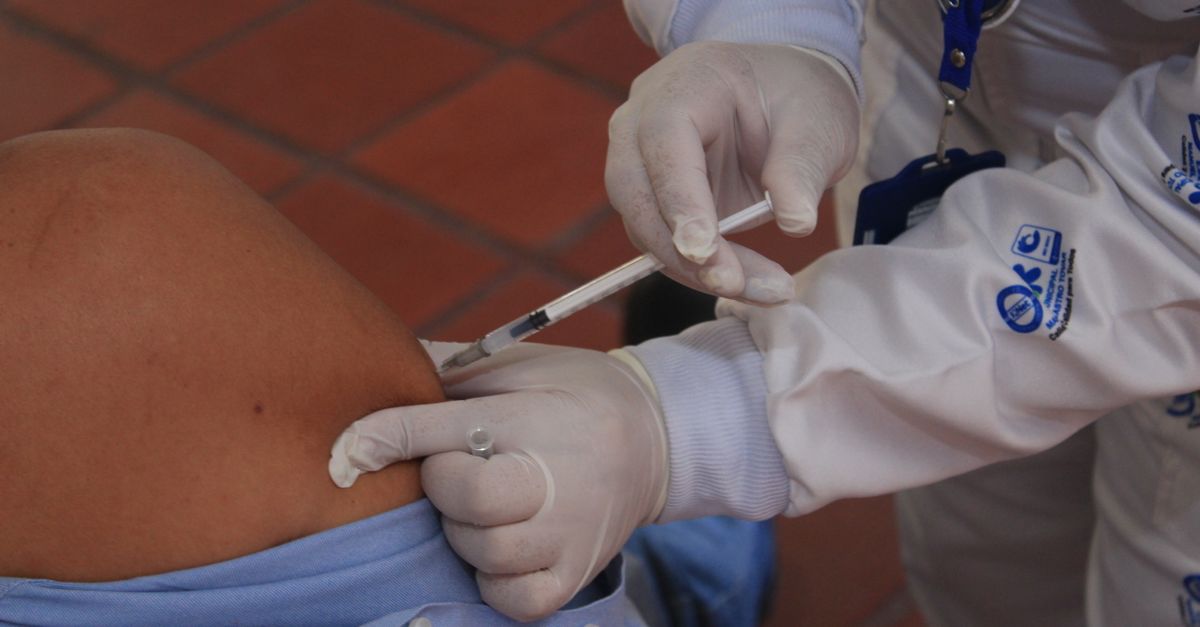
Chemotherapy can lead to significant hair loss by targeting rapidly dividing cells.
Chemotherapy is a vital treatment modality for various types of cancer, designed to target and destroy rapidly dividing cancer cells. However, one of the most distressing side effects associated with chemotherapy is hair loss, or alopecia. Understanding how hair loss occurs due to chemotherapy can provide patients with clearer expectations and improve their emotional resilience during treatment. This article delves into the mechanisms behind chemotherapy-induced hair loss and explores the factors that influence hair regrowth after treatment.
Understanding the Mechanism of Hair Loss in Chemotherapy
Chemotherapy agents work by targeting rapidly dividing cells, a hallmark of cancer cells. However, hair follicles also contain rapidly dividing cells, making them vulnerable to the effects of these powerful medications. Drugs such as doxorubicin, cyclophosphamide, and paclitaxel are commonly used in chemotherapy regimens and can disrupt the normal hair growth cycle. When these agents are administered, the hair follicles may enter a resting phase prematurely, leading to hair shedding and eventual hair loss.
The extent of hair loss can vary significantly depending on the specific chemotherapy drugs used, the dosage, and the individual’s unique biological response. Some patients may experience complete hair loss, while others may notice thinning or patchy areas. This is because different drugs affect hair follicles to varying degrees, and individual genetic factors can also play a role in how one's body responds to treatment. Additionally, the timing of hair loss can vary; it may start as soon as two weeks into treatment or may not manifest until after several cycles.
Emotional and psychological factors further complicate the experience of hair loss. For many, hair is a significant aspect of identity, and its loss can lead to feelings of vulnerability and distress. Support systems, including counseling and peer support groups, can prove beneficial in helping individuals navigate the emotional landscape of undergoing chemotherapy and managing the associated hair loss.
Factors Influencing Hair Regrowth After Chemotherapy Treatment
While hair loss can be a challenging aspect of chemotherapy, many patients find that their hair does eventually regrow after completing treatment. Several factors can influence the rate and quality of hair regrowth, including the type of chemotherapy received, the duration of treatment, and individual health conditions. Research suggests that hair may regrow differently based on the drugs used; for instance, patients who received non-anthracycline-based regimens may experience a more favorable outcome in terms of hair regrowth.
Another crucial factor is the timing of hair regrowth. In most cases, hair begins to recover within three to six months after the conclusion of chemotherapy. However, the quality and texture of the regrown hair may differ from what was initially present. Patients often note changes in color or curliness, which can be attributed to the impact of chemotherapy on the hair follicles. These changes, while disconcerting, are typically temporary as hair continues to grow and may return to its original state over time.
Moreover, a patient’s overall health, nutritional status, and genetics contribute significantly to the regrowth process. Adequate nutrition, including vitamins and minerals essential for hair health, can support the body in recovering more effectively. Consulting with healthcare providers, including dietitians, can be beneficial for patients seeking to optimize their health post-chemotherapy. Ultimately, understanding these factors can empower patients and help them manage their expectations regarding hair regrowth.
Chemotherapy-induced hair loss is a challenging experience for many cancer patients, deeply intertwined with the emotional aspects of their treatment journey. By grasping the mechanisms behind hair loss and recognizing the various factors influencing regrowth, patients can better prepare themselves for the changes they may encounter. It is essential for individuals undergoing chemotherapy to engage with healthcare professionals for personalized guidance and support throughout their journey. Remember, while hair loss may be a temporary side effect, the focus should remain on the broader goal of achieving health and recovery.