
How hairfall is linked to genetics
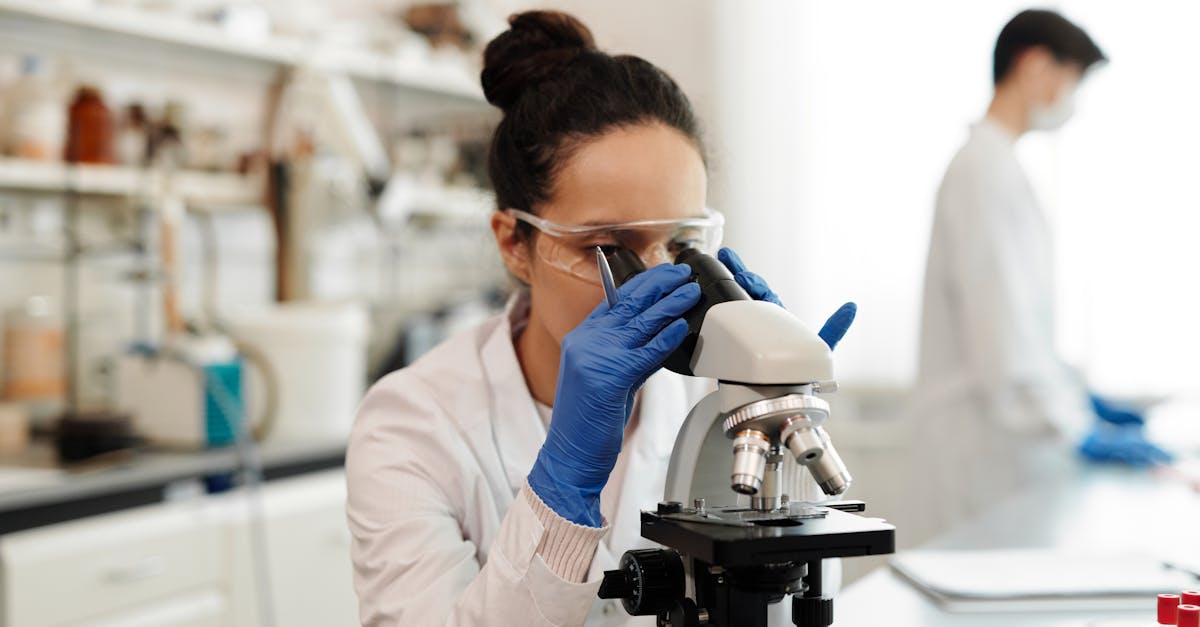
Genetics plays a crucial role in hairfall patterns and causes.
Hair loss is a common concern that affects millions of people worldwide, and while various factors contribute to this condition, genetics play a crucial role. Understanding how heredity influences hair fall can provide insight into why some individuals are more susceptible to hair loss than others. This article explores the genetic factors that influence hair loss and sheds light on the scientific understanding of heredity in relation to hair fall.
Understanding the Genetic Factors Influencing Hair Loss
Genetic predisposition is a significant factor in hair loss, particularly in conditions such as androgenetic alopecia, commonly known as male or female pattern baldness. Research indicates that individuals with a family history of hair loss are more likely to experience the same condition. Various genes have been identified that contribute to this susceptibility, including those involved in hormone regulation and hair follicle development. Genetic testing is evolving, allowing individuals to assess their risk based on their family lineage.
The role of the androgen receptor gene, located on the X chromosome, is particularly noteworthy. Men inherit this gene from their mothers, which may explain why maternal family history is often highlighted in discussions about hair loss. In women, multiple genetic factors seem to contribute to hair loss, making it a more complex issue. Recent studies suggest that polygenic inheritance—where multiple genes interact—plays a significant role in determining the likelihood of hair loss, indicating that genetics can be multifaceted.
Additionally, environmental factors can interact with genetic predispositions to influence hair health. Stress, diet, and lifestyle choices may exacerbate hair loss in individuals genetically predisposed to it. Thus, while genetics may set the stage, external factors can play a critical role in the progression and severity of hair fall.
The Role of Heredity in Hairfall: What Science Says
Scientific research has extensively examined the hereditary nature of hair loss, establishing a link between specific genetic markers and the likelihood of experiencing hair fall. For instance, studies have shown that variations in the AR gene are correlated with an increased risk of androgenetic alopecia. Furthermore, genome-wide association studies (GWAS) have identified numerous loci associated with hair loss, providing a clearer picture of the genetic landscape that underpins this common issue.
A notable finding in the realm of hair loss research is the concept of "heritability," which measures how much of the variability in hair loss within a population can be attributed to genetic variation. Estimates suggest that heritability for male pattern baldness can be as high as 80%, indicating that genetics plays a predominant role in this condition. For women, while the heritability is lower, it still represents a significant factor in the experience of hair loss.
In the context of public health, understanding the genetic basis of hair loss can inform prevention strategies and therapeutic approaches. Genetic counseling may provide individuals with insights into their risk levels based on family history, allowing for informed decisions regarding lifestyle and management options. As research evolves, there is potential for developing targeted treatments that take genetic predispositions into account, paving the way for more personalized healthcare in the realm of hair loss.
In summary, the relationship between genetics and hair loss is a complex interplay of multiple factors, including specific genes, family history, and environmental influences. While genetics can significantly increase the likelihood of hair fall, understanding this connection offers valuable insights for individuals concerned about their hair health. Continued research in this area may lead to more effective prevention and treatment strategies, underscoring the importance of consulting healthcare professionals for personalized advice and support.