
How Generic Medicines Reshape Public Health Dynamics
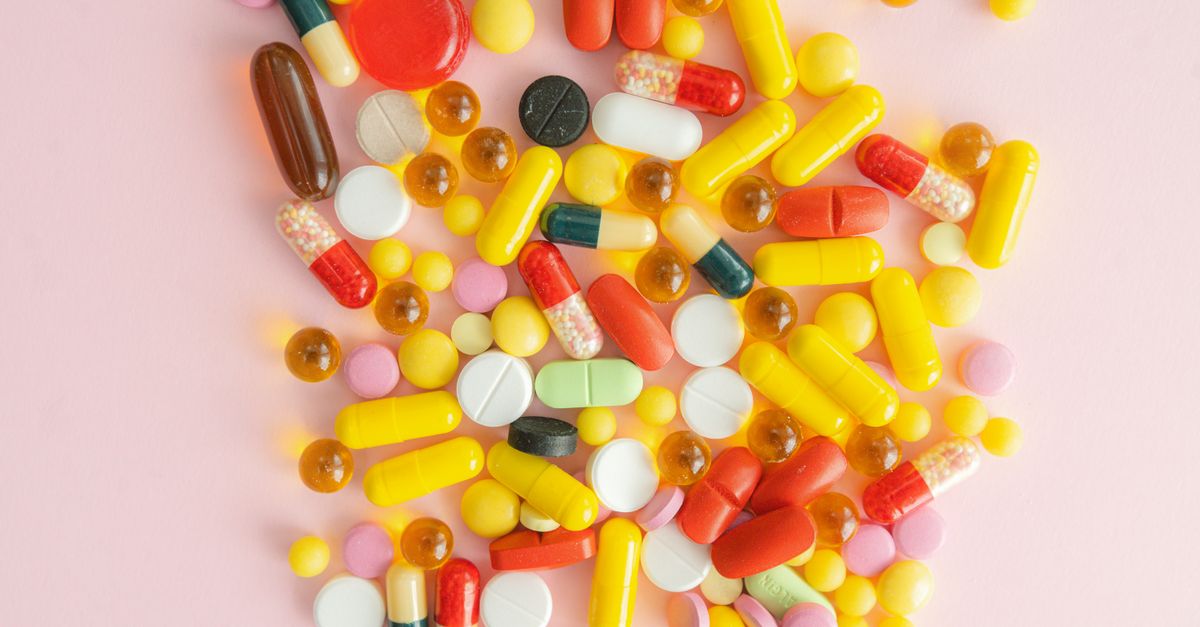
Generic medicines offer affordable alternatives, transforming public health by enhancing access and reducing healthcare costs.
As healthcare systems worldwide grapple with rising costs and increasing demand, generic medicines emerge as a linchpin in public health strategy. These medications, chemically identical to their branded counterparts, offer a cost-effective alternative that can significantly enhance access to essential treatments.
The Economics of Generic Medicines
Generic drugs have been a game-changer in the pharmaceutical industry primarily due to their affordability. According to the U.S. Food and Drug Administration (FDA), generics cost an average of 80-85% less than brand-name drugs. This dramatic price reduction is possible because generic manufacturers do not bear the initial costs of drug development and marketing. Instead, they replicate existing drugs whose patent protection has expired, allowing for competitive pricing.
In 2022, generic drugs accounted for over 90% of all prescriptions filled in the United States, yet they comprised only about 20% of the total cost of drugs. This statistic highlights their critical role in controlling healthcare expenses, particularly in countries with high prescription drug spending.
Improving Access to Essential Medicines
In low- and middle-income countries (LMICs), the availability of generic medications can mean the difference between life and death. For instance, the widespread availability of generic antiretroviral drugs has been crucial in managing HIV/AIDS across Africa. Organizations such as Doctors Without Borders and the Global Fund have credited generics with boosting treatment accessibility and improving outcomes.
Moreover, the World Health Organization (WHO) emphasizes the importance of generics in achieving Universal Health Coverage (UHC). By making essential medicines more affordable, generics allow healthcare systems to stretch budgets further, ensuring broader access to a range of health interventions.
Challenges and Quality Concerns
Despite their benefits, generic medicines are not without challenges. Concerns about their quality, especially in LMICs, often surface. Regulatory standards vary globally, and some regions lack the stringent oversight present in the United States or Europe. This variability can lead to disparities in drug efficacy and safety.
The WHO and various national drug regulatory authorities are working to harmonize standards and ensure all generics meet requisite safety and efficacy criteria. Efforts to bolster international cooperation in drug regulation include initiatives like the International Council for Harmonisation of Technical Requirements for Pharmaceuticals for Human Use (ICH), which aims to streamline and unify drug approval processes worldwide.
Pharmaceutical Innovation and Market Dynamics
While generics play a crucial role in healthcare, they also influence the pharmaceutical industry's innovation landscape. The expiration of drug patents signals an opportunity for generic manufacturers but also pressures brand-name companies to innovate continuously. This dynamic fosters a cycle of innovation and competition, driving both the development of new therapies and the expansion of existing treatment options.
However, some argue that the intense focus on generics might stifle innovation by reducing the financial incentives for developing new drugs. To balance this, policies like extended patent protection for novel therapies and incentives for orphan drugs are implemented to ensure that innovation continues alongside the proliferation of generics.
The Future of Generics and Public Health
As we look ahead, the role of generics in public health is poised to grow. With the increasing burden of chronic diseases and aging populations, the demand for affordable medications will only rise. Policymakers and healthcare providers must continue to support the integration of generics into healthcare systems worldwide.
Ultimately, the success of generic medicines in reshaping public health hinges on their ability to maintain quality while remaining accessible. As Margaret Chan, former Director-General of the WHO, once noted, "Access to affordable medicines is a cornerstone of health equity." The ongoing commitment to generics will be vital for ensuring equitable healthcare access across the globe.