
How Does Technology Help Monitor Heart Health
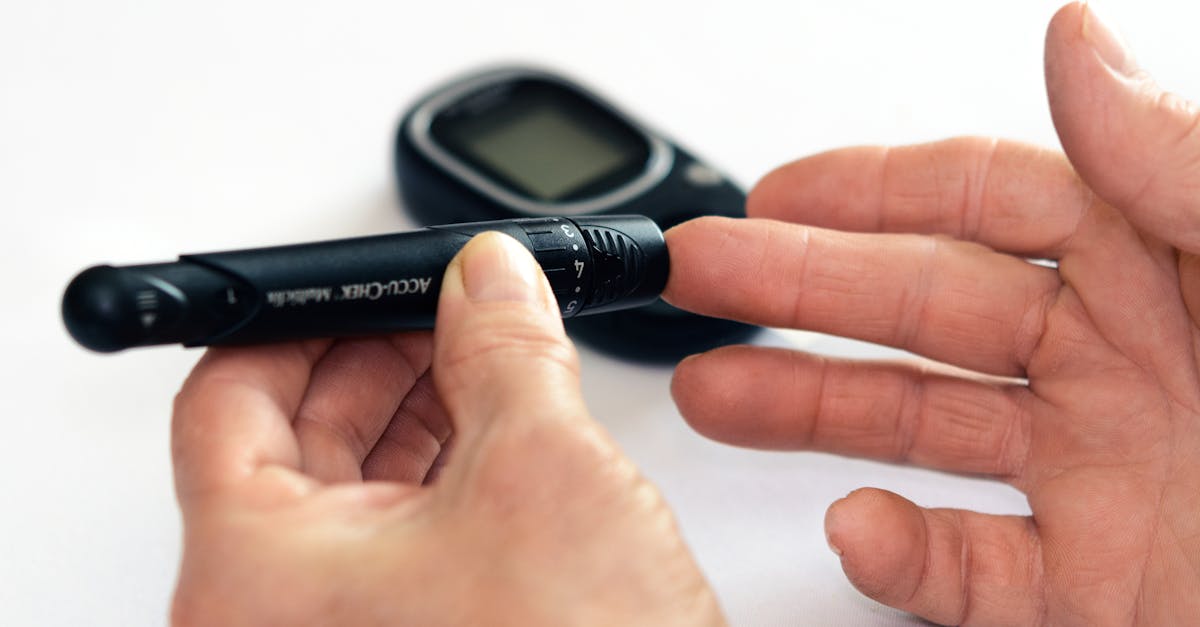
Technology plays a crucial role in monitoring heart health effectively.
In recent years, technology has made significant strides in monitoring heart health, transforming how patients and healthcare professionals approach cardiovascular care. The integration of innovative tools and devices has not only improved the way heart conditions are monitored but also empowered patients to take an active role in managing their health. This article explores the innovative technologies that are reshaping heart health monitoring and the ways wearable devices are enhancing patient engagement in heart care.
Innovative Technologies Transforming Heart Health Monitoring
The landscape of heart health monitoring has been revolutionized by technological advancements that provide real-time data and predictive analytics. One significant innovation is telemedicine, which allows patients to consult with cardiologists remotely. This technology has broadened access to care, especially for individuals in rural or underserved areas, enabling timely interventions and regular follow-ups without the need for inconvenient travel. Furthermore, electronic health records (EHRs) have streamlined communication between healthcare providers, allowing for a holistic view of a patient's heart health history, facilitating better-informed decisions.
Artificial intelligence (AI) and machine learning are also playing a vital role in heart health monitoring. These technologies can analyze vast amounts of data to identify patterns and predict potential heart issues before they escalate. For instance, AI algorithms can assess data from ECG readings to detect irregularities that may indicate conditions like arrhythmias or other cardiovascular diseases. This proactive approach aids in early intervention and personalized treatment plans, significantly improving patient outcomes.
Moreover, the development of mobile health applications has made heart health monitoring more accessible. These apps enable users to track their heart rate, blood pressure, and other vital signs on their smartphones. They often include features like medication reminders and personalized fitness goals, making it easier for individuals to manage their health. The integration of these technologies not only keeps patients informed but also fosters a culture of health literacy, empowering them to make better lifestyle choices.
Wearable Devices: Empowering Patients in Heart Care
Wearable devices have emerged as essential tools for monitoring heart health, enabling patients to gain insights into their cardiovascular conditions in real time. Devices such as smartwatches and fitness trackers monitor heart rates, activity levels, and even sleep patterns. This continuous collection of data allows users to identify trends and potential issues, such as elevated heart rates during rest or irregular rhythms, prompting them to seek medical advice when necessary.
The advent of wearable ECG monitors is another significant development in heart health technology. These devices can provide users with immediate feedback on their heart rhythm, allowing for the early detection of anomalies. For patients with conditions like atrial fibrillation, this immediate access to information can be life-saving, facilitating timely interventions that can prevent more severe complications. The ability to share this data directly with healthcare providers enhances collaborative care and ensures that any concerning developments are addressed promptly.
Furthermore, wearable devices encourage a more active role in health management. By providing users with actionable insights, these technologies motivate individuals to adopt healthier lifestyles. Many wearables incorporate gamification elements, promoting regular exercise and heart-healthy habits. This shift not only benefits individual users but also alleviates some pressure on healthcare systems by reducing the incidence of heart-related emergencies through preventive care.
In conclusion, the intersection of technology and heart health monitoring represents a significant advancement in healthcare. From telemedicine and AI-driven analytics to the rise of wearable devices, these innovations are transforming how patients engage with their heart health. As technology continues to evolve, it is crucial for individuals to remain informed and utilize these tools responsibly, always consulting healthcare professionals for personalized guidance and care. Embracing these advancements may lead to better heart health outcomes and a more proactive approach to cardiovascular wellness.