
How Does Stress Management Improve Acne
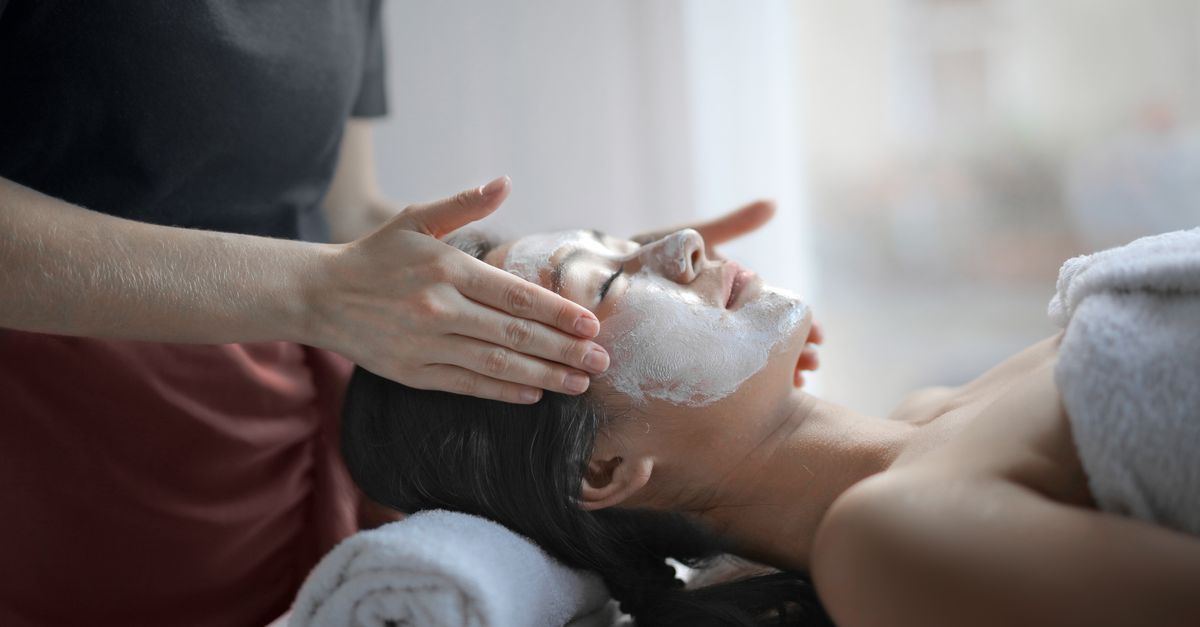
Managing stress can significantly reduce acne flare-ups.
Acne is a common skin condition affecting millions around the world, and its causes are often multifactorial. Among these factors, stress has emerged as a significant contributor to acne flare-ups. Understanding the connection between stress and skin health is crucial for effective management, not just for symptom relief but also for overall well-being. This article delves into how stress management can positively impact acne and explores effective techniques to foster clearer skin.
Understanding the Link Between Stress and Acne Development
Stress triggers a cascade of hormonal changes in the body, particularly an increase in cortisol levels. Elevated cortisol can lead to heightened oil production in the skin, which may clog pores and contribute to acne formation. Research indicates that individuals experiencing chronic stress may have more frequent and severe acne outbreaks compared to those with lower stress levels. This connection underscores the importance of addressing stress as part of an acne management strategy.
Moreover, stress can affect the immune system, making it less effective at combating bacteria that can exacerbate acne. When the body is under stress, inflammatory responses are heightened, which can worsen existing skin conditions. Studies suggest that managing stress can lead to a decrease in inflammation, potentially reducing the severity of acne. This relationship highlights the importance of a holistic approach to skin health that includes mental well-being.
Additionally, stress can lead to poor lifestyle choices, such as unhealthy eating, lack of sleep, and neglecting skincare routines—all of which can adversely affect skin quality. By recognizing the impact of stress on these behaviors, individuals can take steps to create a more conducive environment for skin health. Understanding this intricate relationship between stress and acne empowers individuals to take proactive measures in their skincare journey.
Effective Stress Management Techniques for Clearer Skin
Implementing effective stress management techniques can be a game-changer for those struggling with acne. Mindfulness practices, such as meditation and deep-breathing exercises, have been shown to lower cortisol levels and reduce stress. These techniques not only promote relaxation but also enhance mental clarity, enabling individuals to make healthier lifestyle choices that positively affect their skin. Allocating even a few minutes daily to mindfulness can yield significant benefits.
Physical activity is another effective way to manage stress. Exercise releases endorphins, which are natural mood lifters that can alleviate feelings of anxiety and stress. Moreover, regular physical activity can improve circulation and promote a healthier complexion. Engaging in activities such as yoga or walking can combine the benefits of exercise with mindfulness, further enhancing stress relief while benefiting overall skin health.
Finally, maintaining a balanced diet rich in antioxidants, omega-3 fatty acids, and hydration can support both mental and skin health. Foods rich in these nutrients can help combat inflammation and maintain skin elasticity. Additionally, establishing a consistent sleep routine allows the body to recover and rejuvenate, contributing to reduced stress levels and clearer skin. By integrating these strategies, individuals can not only manage stress but also foster an environment conducive to healthy skin.
In summary, managing stress is a key element in addressing acne and enhancing skin health. By understanding the intricate relationship between stress and skin conditions, individuals can adopt various techniques that promote relaxation and overall well-being. From mindfulness and exercise to a balanced diet, the benefits of stress management extend beyond the skin, leading to better mental health and quality of life. For those grappling with acne, a holistic approach that includes stress management may pave the way for clearer skin and improved health.