
How Does Pulmonary Rehabilitation Work
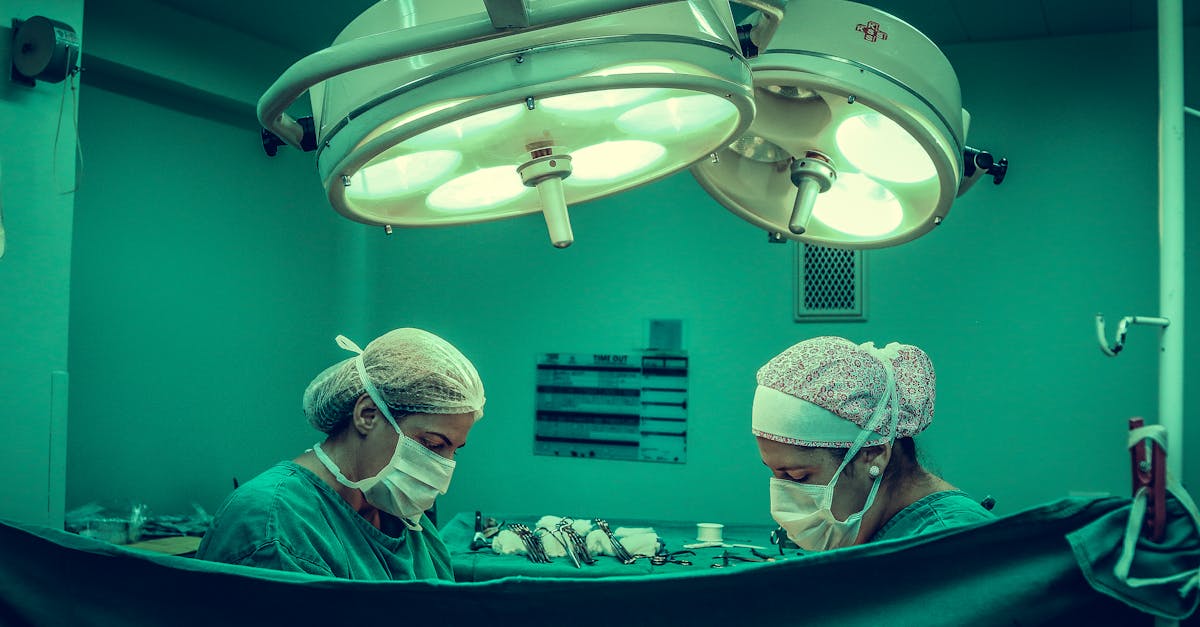
Pulmonary rehabilitation enhances lung function and quality of life.
===
Pulmonary rehabilitation is a multi-faceted program designed to enhance the quality of life for individuals with chronic respiratory diseases. It plays a pivotal role in managing conditions such as chronic obstructive pulmonary disease (COPD), asthma, and interstitial lung disease. The essence of pulmonary rehabilitation lies not just in physical improvement but also in providing education, psychological support, and lifestyle changes to empower patients. Understanding how pulmonary rehabilitation works can illuminate its benefits and importance in respiratory health management.
Understanding the Principles Behind Pulmonary Rehabilitation Programs
Pulmonary rehabilitation is underpinned by a holistic approach that aims to improve the physical and psychological well-being of patients with chronic lung conditions. The fundamental principle is to help individuals regain their autonomy and enhance their daily functioning through personalized programs. Each rehabilitation program is tailored to meet the specific needs of the patient, taking into consideration their medical history, current health status, and personal goals.
One of the primary goals of pulmonary rehabilitation is to increase exercise capacity. Patients often experience debilitating fatigue and breathlessness, which can limit their ability to perform daily activities. Through structured exercise regimens, patients gradually build endurance and strength, allowing them to engage in more physical activity over time. This not only improves lung function but also enhances overall health, contributing to a better quality of life.
Additionally, education plays a crucial role in pulmonary rehabilitation. Patients learn about their condition, effective management strategies, and the importance of adhering to prescribed treatments. This knowledge empowers them to make informed decisions regarding their health and fosters a sense of agency. The incorporation of psychological support, such as counseling or group therapy, also addresses the emotional challenges many patients face, helping them cope with anxiety and depression related to their illness.
Key Components and Techniques Used in Rehabilitation Therapy
The key components of pulmonary rehabilitation typically include exercise training, nutritional guidance, and education on breathing techniques. Exercise training is often the cornerstone of these programs, comprising aerobic exercises, strength training, and flexibility workouts. These activities are specifically designed to enhance lung capacity and physical stamina, allowing patients to perform daily tasks with greater ease. Supervised by healthcare professionals, the exercises are tailored to the individual’s capabilities, ensuring safety and effective progression.
Nutritional guidance is another essential aspect, as maintaining a healthy diet can significantly impact lung health and overall well-being. Patients are educated on the importance of proper nutrition and may receive personalized meal plans that support their health goals. A balanced diet can help enhance energy levels and immune function, which is particularly vital for individuals with compromised respiratory systems.
Breathing techniques, such as pursed-lip breathing and diaphragmatic breathing, are also integrated into rehabilitation programs. These techniques help patients manage shortness of breath and improve ventilation. By teaching patients how to control their breathing, these practices can reduce anxiety during episodes of breathlessness and enhance overall lung efficiency. Together, these components create a comprehensive rehabilitation experience that addresses both physical and emotional health.
===
In conclusion, pulmonary rehabilitation emerges as a transformative approach for managing chronic respiratory diseases by focusing on physical, emotional, and educational aspects of care. By understanding the principles and key components of these programs, patients can appreciate the multifaceted support they receive in their journey towards improved health. As the field of pulmonary rehabilitation continues to evolve, it remains crucial for individuals to engage with healthcare professionals to tailor interventions that best suit their unique needs, ultimately leading to a better quality of life.