
How Does Mosquito Control Reduce Dengue Cases
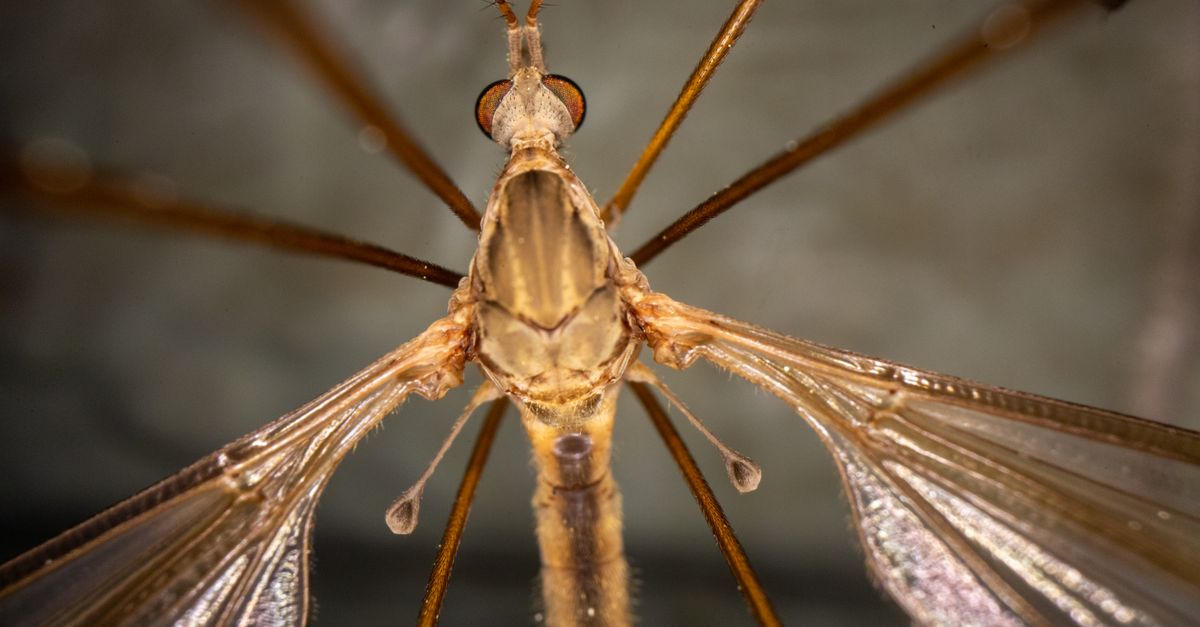
Effective mosquito control is key to lowering dengue transmission.
In recent years, dengue fever has emerged as a significant public health concern, particularly in tropical and subtropical regions. Transmitted primarily by the Aedes aegypti mosquito, dengue not only causes severe illness but also poses a substantial economic burden on healthcare systems. Consequently, effective mosquito control measures have gained attention as a pivotal strategy for reducing dengue cases. This article explores the connection between mosquito control initiatives and the subsequent decline in dengue incidence.
Understanding the Link Between Mosquito Control and Dengue Rates
The relationship between mosquito populations and the incidence of dengue fever is well-documented. Aedes aegypti, the primary vector responsible for dengue transmission, thrives in urban areas where stagnant water provides ideal breeding grounds. By implementing mosquito control measures, such as eliminating standing water and utilizing larvicides, communities can significantly decrease the number of mosquitoes available to spread the virus. Research indicates that targeted interventions can lead to a substantial reduction in dengue cases, as fewer mosquitoes correspond to fewer opportunities for virus transmission.
Furthermore, the use of integrated vector management (IVM) approaches combines various strategies—biological, chemical, and environmental—to efficiently tackle mosquito populations. IVM not only emphasizes the reduction of mosquito habitats but also promotes community involvement in ongoing surveillance and control measures. By fostering public awareness and encouraging residents to participate in mosquito control, health authorities can create a cohesive response to the dengue threat, ultimately leading to lower infection rates.
A comprehensive understanding of the epidemiology of dengue fever also underscores the importance of timely mosquito control interventions. Rapid response to outbreaks, coupled with sustained prevention efforts, can effectively curb the spread of the virus. When mosquito populations are kept in check, the transmission cycle is disrupted, leading to a marked decline in new dengue cases, as evidenced by studies conducted in various endemic regions.
Effective Strategies for Reducing Mosquito Populations and Dengue
Several effective strategies have emerged in the battle against mosquito-borne diseases, focusing specifically on the Aedes aegypti mosquito. One such approach is the use of insecticide-treated materials, such as bed nets and curtains, which serve as physical barriers against biting mosquitoes. These materials not only provide protection to individuals but also help in reducing the overall population of adult mosquitoes. Research has shown that when these interventions are consistently used, they contribute to lower dengue transmission rates in affected communities.
In addition to physical barriers, biological control methods, such as introducing natural predators or using Wolbachia-infected mosquitoes, show promise in managing mosquito populations. The introduction of Wolbachia, a bacterium that reduces the ability of mosquitoes to transmit the dengue virus, has been successfully implemented in several countries. Trials indicate that such biological approaches can lead to sustained reductions in dengue cases over time, highlighting the potential for innovative solutions within mosquito control frameworks.
Moreover, engaging the community plays a critical role in the success of these mosquito control strategies. Public health campaigns aimed at educating individuals about the importance of removing standing water, using repellents, and recognizing the symptoms of dengue can empower communities to take proactive steps in protecting themselves. When communities are informed and active participants in mosquito control, the cumulative effect can lead to significant reductions in both mosquito populations and dengue incidence.
In conclusion, the correlation between mosquito control and the management of dengue cases is both profound and multifaceted. By implementing comprehensive strategies that include community engagement, biological control methods, and effective use of insecticides, public health initiatives can significantly reduce the threats posed by Aedes aegypti. As the global burden of dengue continues to rise, prioritizing mosquito control measures will be essential in safeguarding public health and mitigating the impact of this debilitating disease. Continued research and adaptation of these strategies will be crucial in the ongoing fight against dengue fever.