
How Does Diet Influence the Gut Microbiome
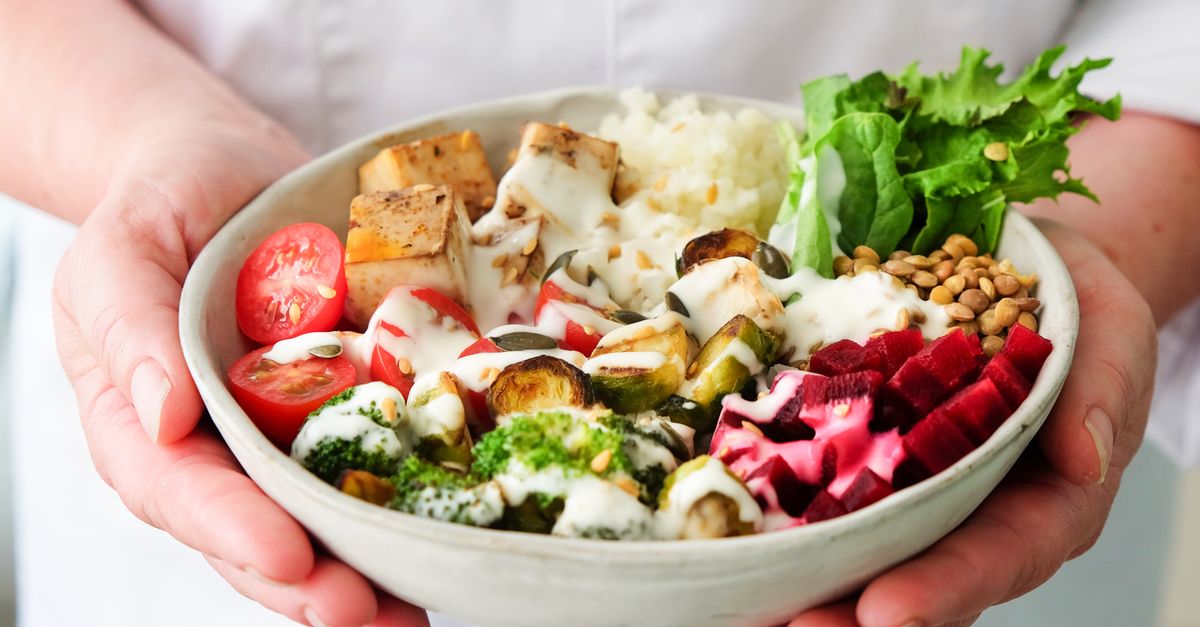
Diet plays a crucial role in shaping our gut microbiome.
The gut microbiome, a complex community of trillions of microorganisms residing in our digestive tract, plays a pivotal role in maintaining overall health. Recent studies have illuminated the profound impact that diet has on the composition and diversity of this microbial ecosystem. Understanding the intricate relationship between what we consume and the health of our gut microbiome can empower individuals to make informed dietary choices that promote well-being. This article delves into the connection between diet and gut microbiome health, as well as key dietary factors that influence microbial diversity.
The Connection Between Diet and Gut Microbiome Health
Diet serves as a primary determinant of gut microbiome composition. Research indicates that various macronutrients and micronutrients influence the types and abundance of bacteria present in the gut. For instance, a diet rich in fiber, often found in fruits, vegetables, and whole grains, promotes the growth of beneficial bacteria like Bifidobacteria and Lactobacilli. These bacteria, in turn, produce short-chain fatty acids (SCFAs), which have been associated with anti-inflammatory effects and improved gut health.
Conversely, diets high in processed foods and sugars can lead to dysbiosis, a condition characterized by an imbalance of gut bacteria. Studies have shown that such diets can diminish microbial diversity and foster the growth of pathogenic bacteria. This disruption has been linked to various health issues, including obesity, diabetes, and inflammatory bowel disease, highlighting the importance of dietary choices on gut health.
Moreover, the effects of diet on the gut microbiome are not only immediate but can also have long-term implications. Transitioning to a healthier diet can promote the restoration of a diverse microbiome, potentially reversing some health issues. However, it is essential to note that individual responses to dietary changes can vary significantly based on genetic, environmental, and lifestyle factors.
Key Dietary Factors That Shape Your Microbiome Diversity
Several dietary factors contribute to the shaping of microbiome diversity. First and foremost is dietary fiber, which acts as a prebiotic, feeding beneficial gut bacteria. Foods such as legumes, whole grains, and fruits are rich in fiber and have been shown to enhance microbial diversity. A diverse microbiome is crucial because it is generally associated with better health outcomes, including a robust immune system and reduced risk of chronic diseases.
Fermented foods, such as yogurt, kefir, sauerkraut, and kimchi, also play a vital role in supporting microbiome diversity. These foods contain live beneficial bacteria, or probiotics, which can directly contribute to the microbial community in the gut. Incorporating fermented foods into one’s diet can help maintain a balanced gut microbiome and improve overall digestive health. Experts recommend a varied diet that includes these types of foods to foster a rich microbial environment.
Furthermore, the quality of fats consumed can influence gut health. Diets rich in omega-3 fatty acids, found in fish, nuts, and seeds, have been associated with an increase in beneficial bacteria. On the other hand, trans fats and excessive saturated fats can negatively impact gut microbiome diversity. Awareness of these dietary components allows individuals to make better choices that support gut health and, by extension, overall health.
In summary, the influence of diet on the gut microbiome is a dynamic and multifaceted relationship that significantly impacts health. By focusing on consuming a variety of fiber-rich foods, incorporating fermented items, and choosing healthy fats, individuals can foster a diverse and balanced microbiome. As research continues to evolve, it becomes increasingly clear that mindful dietary choices can serve as a powerful tool in enhancing gut health and overall well-being. It is advisable to consult with healthcare professionals for personalized guidance on dietary changes that best suit individual health needs.