
How Does Cancer Screening Save Lives
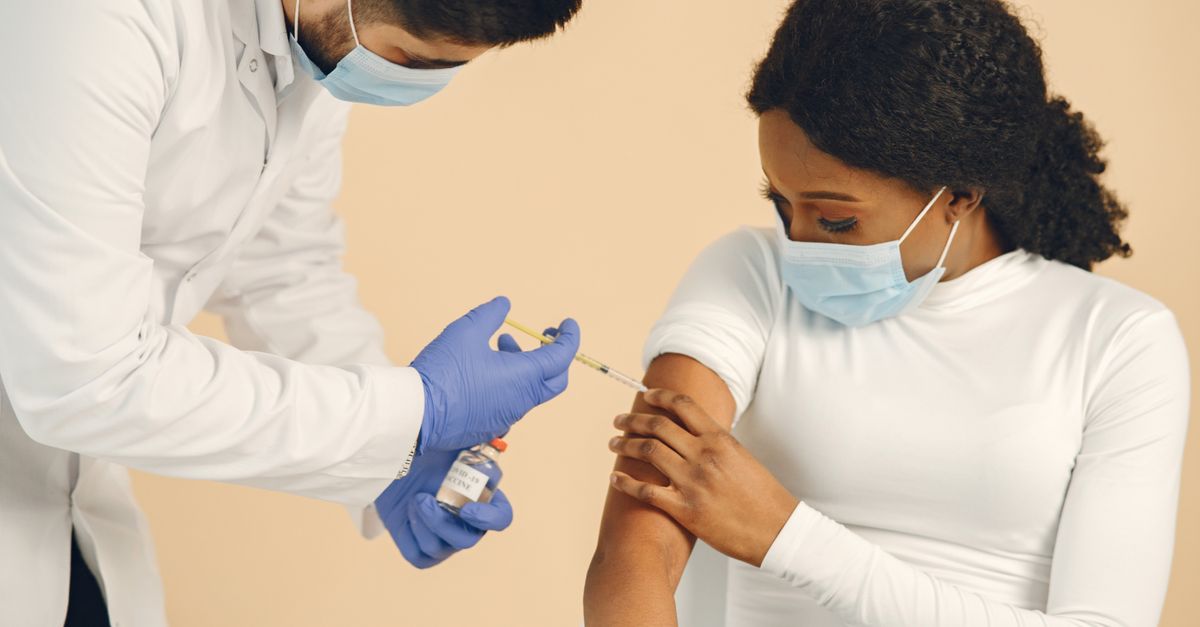
Early detection through cancer screening can significantly improve survival rates.
Cancer remains one of the leading causes of mortality worldwide, with millions diagnosed each year. Advances in medicine have not only improved treatment options but also emphasized the importance of early detection. Cancer screening can identify the disease in its initial stages, significantly impacting treatment success and survival rates. In this article, we will explore how early detection through regular screenings plays a vital role in improving cancer outcomes and reducing mortality rates.
The Vital Role of Early Detection in Cancer Outcomes
Early detection is crucial in managing cancer effectively. Many cancers, such as breast, colon, and cervical cancer, have a higher chance of successful treatment when detected early. Research indicates that the earlier a tumor is found, the smaller it usually is, and the less likely it has spread to other parts of the body. This not only increases the chances of effective treatment but also enables healthcare providers to employ less aggressive therapies, thereby preserving the quality of life for patients.
Screening tests are designed to detect cancer before symptoms appear. For instance, mammograms for breast cancer or colonoscopies for colorectal cancer can identify abnormalities at a stage when they are most treatable. The implementation of these screening programs in various communities has been associated with decreased incidence rates of advanced-stage cancers, offering a clear illustration of how early detection can lead to better prognoses and improved overall survival rates.
Moreover, early detection empowers patients and healthcare providers to make informed decisions regarding treatment options. Patients diagnosed at an earlier stage often have more choices, which can enhance their participation in the decision-making process. When patients are involved in their care, they may experience better emotional and psychological outcomes, further reinforcing the importance of proactive health management.
How Regular Screenings Can Reduce Cancer Mortality Rates
Regular cancer screenings are shown to reduce mortality rates significantly. According to studies from the American Cancer Society, routine screenings for certain cancers can lower the risk of death by as much as 30% to 50%. For example, regular colon cancer screenings have contributed to a notable decline in colorectal cancer mortality since their implementation. This substantial reduction underscores the impact of early detection on preventing cancer deaths.
Public health initiatives promoting awareness about the importance of screenings have also played a role in increasing participation rates. Campaigns that target high-risk populations, such as those with a family history of cancer or specific genetic markers, help educate individuals about the benefits of early detection. When people are informed and encouraged to undergo regular screenings, it leads to timely diagnoses and subsequently, timely treatments, which are vital in the fight against cancer.
Furthermore, healthcare systems that prioritize and facilitate access to screening programs can substantially improve outcomes across diverse populations. Barriers such as cost, lack of awareness, and accessibility can hinder screening efforts. By addressing these challenges through community outreach, policy changes, and healthcare reforms, countries can enhance the efficacy of their cancer control strategies, ultimately driving down mortality rates and saving lives.
In conclusion, the role of cancer screening in saving lives cannot be overstated. Early detection through regular screenings allows for timely intervention, improves treatment options, and significantly reduces mortality rates. As healthcare systems continue to evolve, promoting awareness and accessibility to these critical screenings will be essential in the ongoing battle against cancer. Encouraging individuals to engage with their healthcare providers about screening options can lead to a future where cancer is detected earlier and treated more effectively, ultimately saving countless lives.