
How Does Aging Impact Bone Density
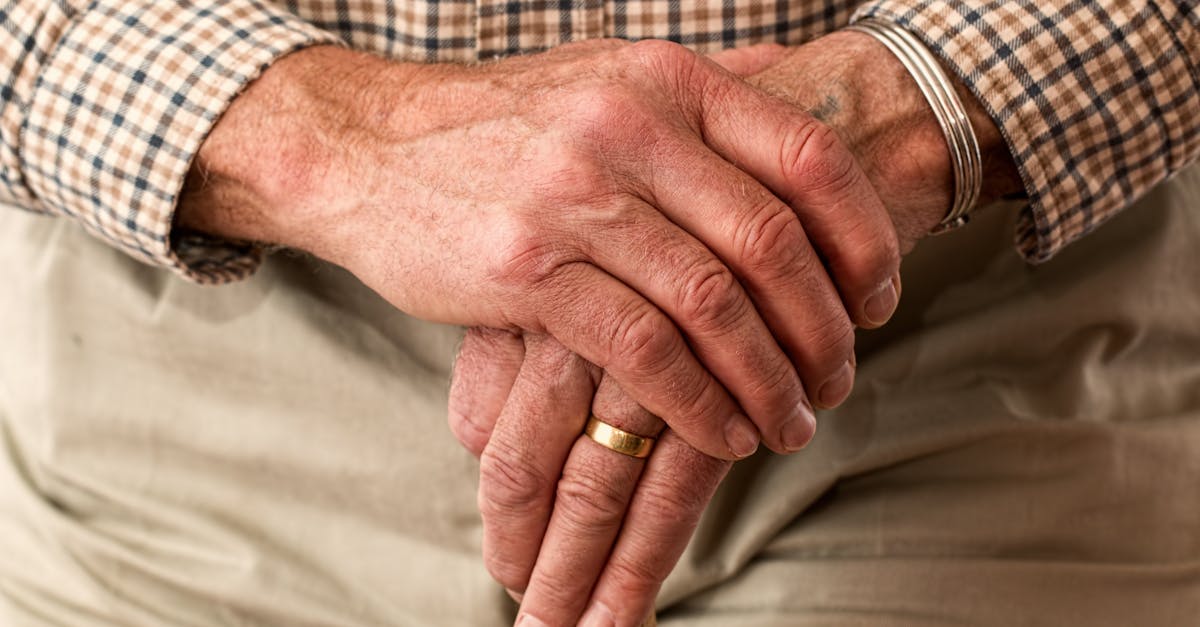
Aging significantly affects bone density, increasing fracture risk.
As people age, significant physiological changes occur in the body, one of which is the reduction in bone density. This phenomenon poses considerable health risks, including an increased likelihood of fractures and osteoporosis. Understanding how aging affects bone density is crucial for both individuals and healthcare providers, as it highlights the need for preventative strategies and treatments to maintain bone health throughout life.
Understanding the Connection Between Aging and Bone Density Loss
Aging is intrinsically linked to a decline in bone density, primarily due to the body's decreased ability to form new bone. Bone remodeling, a process where old bone is replaced by new tissue, slows down significantly as people enter their 30s and continues to decelerate with age. In older adults, the balance between bone resorption (breakdown) and bone formation shifts, leading to a net loss of bone density. This process is particularly pronounced in postmenopausal women, who experience accelerated bone loss due to decreased estrogen levels.
Research indicates that by the age of 70, individuals can lose anywhere from 20% to 30% of their bone mass, especially in the hip, spine, and wrist areas, which are common sites of fractures. This age-related bone loss is insidious; individuals may not even be aware of their declining bone density until it results in a fracture or other serious complications. Consequently, the focus on early detection and intervention becomes paramount for maintaining skeletal health.
In addition to hormonal changes, other factors such as genetics and diet play a role in the aging process and its impact on bone density. For instance, individuals with a family history of osteoporosis are at a higher risk. Similarly, diets deficient in calcium and vitamin D can exacerbate bone loss, signaling the importance of nutritional support in preventive healthcare measures.
Key Factors Influencing Bone Health in Older Adults
Several lifestyle and environmental factors significantly influence bone health in older adults. Regular physical activity, particularly weight-bearing exercises, is essential for stimulating bone growth and maintaining bone density. Activities like walking, jogging, and resistance training encourage the body to strengthen bones by placing stress on them, prompting the body to respond by forming new bone tissue. Conversely, a sedentary lifestyle can accelerate bone loss.
Nutrition also plays a crucial role in bone health. Adequate intake of key nutrients, especially calcium and vitamin D, is vital for maintaining bone density. Calcium is the primary mineral found in bones, while vitamin D facilitates calcium absorption in the body. A diet rich in dairy products, leafy greens, and fortified foods can help support bone health. However, many older adults may face challenges in accessing or consuming these nutrients, thereby increasing their risk for bone density loss.
Additionally, certain medical conditions and medications can negatively impact bone health. Chronic diseases such as rheumatoid arthritis and hyperthyroidism can lead to accelerated bone loss. Similarly, long-term use of corticosteroids—common among older adults for various conditions—has been linked to reduced bone density. It is essential for healthcare providers to consider these factors when assessing the bone health of older patients and developing a comprehensive care plan.
In conclusion, the relationship between aging and bone density loss is complex and influenced by various factors, including hormonal changes, lifestyle choices, and underlying health conditions. Understanding these dynamics is vital for both individuals and healthcare professionals to implement effective strategies for maintaining bone health. As the population ages, the importance of education and proactive measures becomes increasingly critical in preventing osteoporosis and fractures among older adults. Regular consultations with healthcare providers can guide individuals in making informed choices for their bone health as they age.