
How Do Mohalla Clinics Improve Urban Healthcare Access
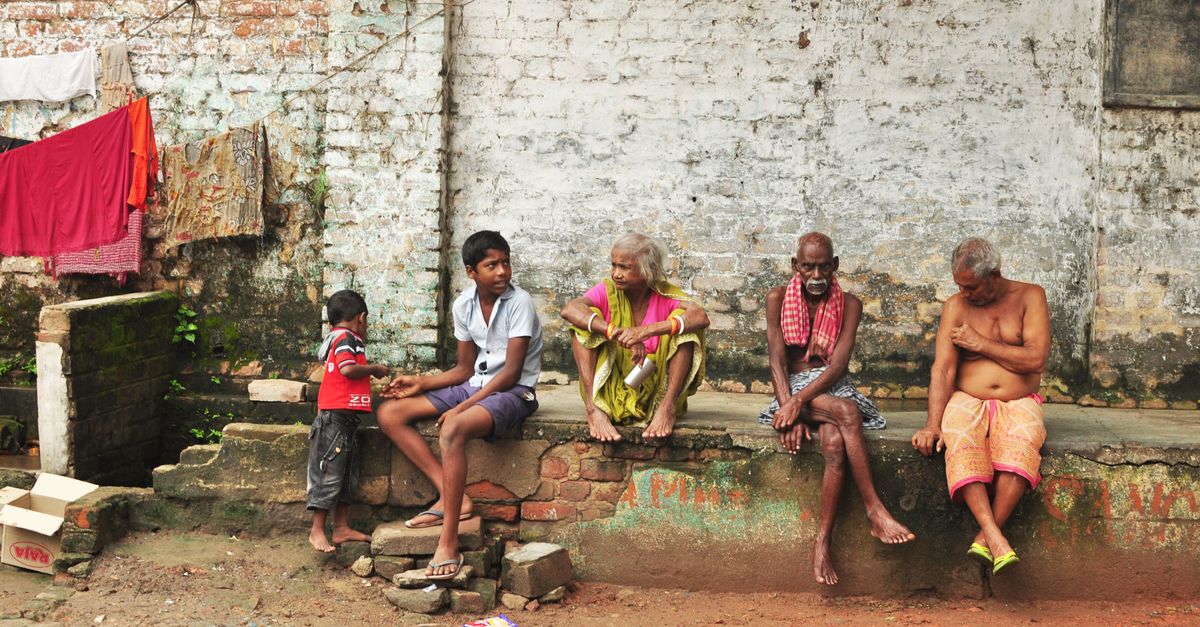
Mohalla clinics enhance urban healthcare by offering accessible services.
In the pursuit of equitable healthcare access, especially in urban environments, Mohalla Clinics have emerged as a significant innovation. Originating in Delhi, these community health centers aim to provide essential medical services to underserved populations, thereby addressing the healthcare gap prevalent in many urban areas. By bringing healthcare closer to where people live, Mohalla Clinics are playing a vital role in reshaping how urban healthcare is delivered.
Understanding the Role of Mohalla Clinics in Urban Health Access
Mohalla Clinics serve as neighborhood health centers that focus on primary care services. They are strategically located in densely populated urban areas, making healthcare more accessible to residents who may face barriers such as distance, transportation costs, or long wait times at larger hospitals. Unlike traditional healthcare facilities, these clinics usually operate in smaller spaces and are often staffed by a limited number of healthcare professionals. This allows them to maintain a patient-centered approach, catering to the specific needs of the community they serve.
One of the key features of Mohalla Clinics is their focus on preventive care and basic health services, including vaccinations, maternal health, and management of chronic diseases like diabetes and hypertension. By prioritizing these services, Mohalla Clinics not only address immediate health concerns but also contribute to the long-term well-being of the community. This proactive approach helps to reduce the overall burden on larger hospitals, which often deal with more severe medical cases.
Furthermore, Mohalla Clinics often integrate community participation into their operations. Local health workers and volunteers play a significant role in promoting health awareness and facilitating access to services. This community involvement fosters trust and strengthens the relationship between healthcare providers and residents, making it more likely for individuals to seek care when needed.
Benefits and Challenges of Mohalla Clinics in Cities Today
The benefits of Mohalla Clinics are numerous. Primarily, they enhance access to healthcare for marginalized communities, particularly those who may not seek care due to socio-economic factors. By eliminating or reducing costs associated with travel and long wait times, these clinics encourage more frequent visits, leading to better health outcomes. Moreover, the focus on preventive care helps in early detection and management of health issues, which can ultimately reduce healthcare costs for individuals and the government.
Additionally, Mohalla Clinics contribute to a more equitable healthcare system by being inclusive of diverse populations, including women, children, and the elderly. Their operational model allows them to address health disparities that exist in urban settings, ensuring that vulnerable groups receive the attention and care they require. The data collected from these clinics can also play a crucial role in informing public health policies and resource allocation in urban healthcare.
However, challenges remain. Funding and sustainability are significant issues facing Mohalla Clinics. While they aim to provide free or low-cost services, reliance on government support can be precarious, particularly during economic downturns. Moreover, the limited scope of services offered may not always address the comprehensive needs of patients, leading some individuals to still seek care at larger hospitals. Staffing shortages and the need for continual training also pose challenges in maintaining the quality of care provided.
In conclusion, Mohalla Clinics represent a promising approach to enhancing urban healthcare access in India. By focusing on community-based care, preventive health services, and inclusivity, they address many of the challenges faced by underserved populations. While obstacles like funding and service scope persist, the benefits of increased access and improved health outcomes cannot be overlooked. As urban centers continue to grow, the role of Mohalla Clinics will likely become even more critical in shaping a healthier future for all.