
How diabetes screening helps in early detection
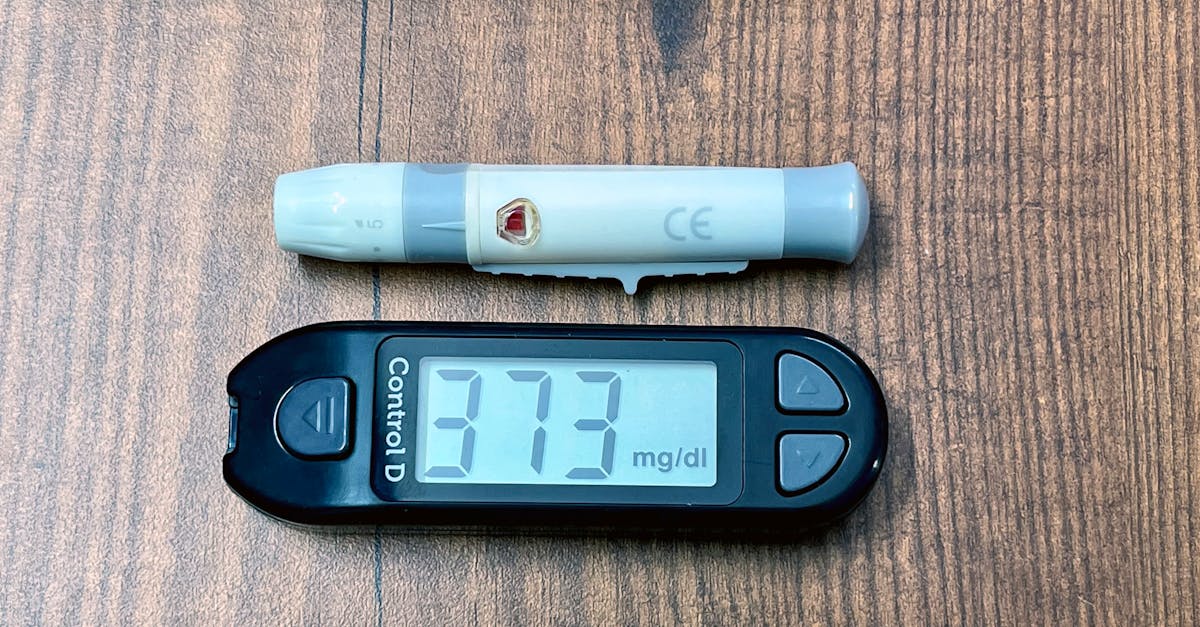
Early diabetes screening can significantly improve health outcomes.
Diabetes has reached epidemic proportions globally, affecting millions and placing a significant burden on healthcare systems. Early detection through screening programs plays a crucial role in managing this chronic condition effectively. By identifying diabetes in its early stages, healthcare professionals can implement lifestyle modifications and therapeutic interventions that may significantly alter the disease's trajectory. Understanding the importance of these screening programs is essential for both public health policy and individual well-being.
Understanding the Importance of Diabetes Screening Programs
Diabetes screening programs are designed to identify individuals at risk of developing diabetes, particularly type 2 diabetes, before they experience significant symptoms. The American Diabetes Association recommends routine screening for adults aged 45 and older, or younger individuals with risk factors such as obesity or a family history of diabetes. These programs often involve a simple blood test to measure glucose levels, providing an accessible and efficient means of detection. The ease of the screening process encourages more individuals to participate, allowing for widespread awareness and early intervention.
Moreover, diabetes screening is not just about identifying those who are already diabetic; it also aims to detect "prediabetes." This condition indicates elevated blood sugar levels that do not yet meet the criteria for diabetes but can lead to its development if left unaddressed. By focusing on prediabetes, screening programs can potentially prevent or delay the onset of type 2 diabetes, sparing individuals from the long-term complications associated with the disease, such as heart disease, kidney failure, and neuropathy.
Healthcare systems worldwide are recognizing the significance of diabetes screening in reducing the prevalence of the disease. In India, for instance, national health initiatives are increasingly focusing on diabetes awareness and screening, especially in urban areas where lifestyle changes have led to a spike in diabetes cases. By prioritizing these programs, public health authorities can allocate resources effectively, ultimately aiming to reduce healthcare costs and improve population health outcomes.
Early Detection: A Key Factor in Managing Diabetes Effectively
The benefits of early detection through diabetes screening extend beyond immediate identification; they play a vital role in the overall management of the disease. When diabetes is detected at an early stage, individuals can adopt lifestyle changes that may prevent its progression. These changes may include a balanced diet, regular physical activity, and weight management, which can be crucial for maintaining blood sugar levels and overall health. As evidenced by various studies, early intervention can lead to substantial improvements in long-term health outcomes, reducing the risk of complications.
Furthermore, early detection allows for timely medical interventions. Healthcare professionals can prescribe medications more effectively when they know a patient is at risk or has been diagnosed with diabetes early on. This proactive approach can stabilize blood sugar levels and lessen the burden of the disease. Access to educational resources and counseling also becomes more feasible, enhancing patient engagement in their own care and empowering them to take proactive steps towards managing their condition.
Finally, screening and early detection can significantly impact healthcare costs. By catching diabetes early, the need for more extensive treatments, hospitalizations, and interventions can be reduced. A study published in the journal "Diabetes Care" highlighted that early treatment not only improves health outcomes but also decreases the financial burden on individuals and healthcare systems. With rising healthcare costs globally, efficient management through screening becomes increasingly essential.
In conclusion, diabetes screening programs serve a pivotal role in the early detection and management of a disease that has far-reaching implications for individuals and healthcare systems alike. By addressing the condition at an early stage, screening can facilitate lifestyle changes, timely interventions, and ultimately, better health outcomes. As awareness of diabetes continues to grow, both public health authorities and individuals must prioritize screening efforts to combat this widespread epidemic effectively. The ongoing commitment to these programs is essential for fostering a healthier future for all.