
How diabetes causes hyperglycemia symptoms
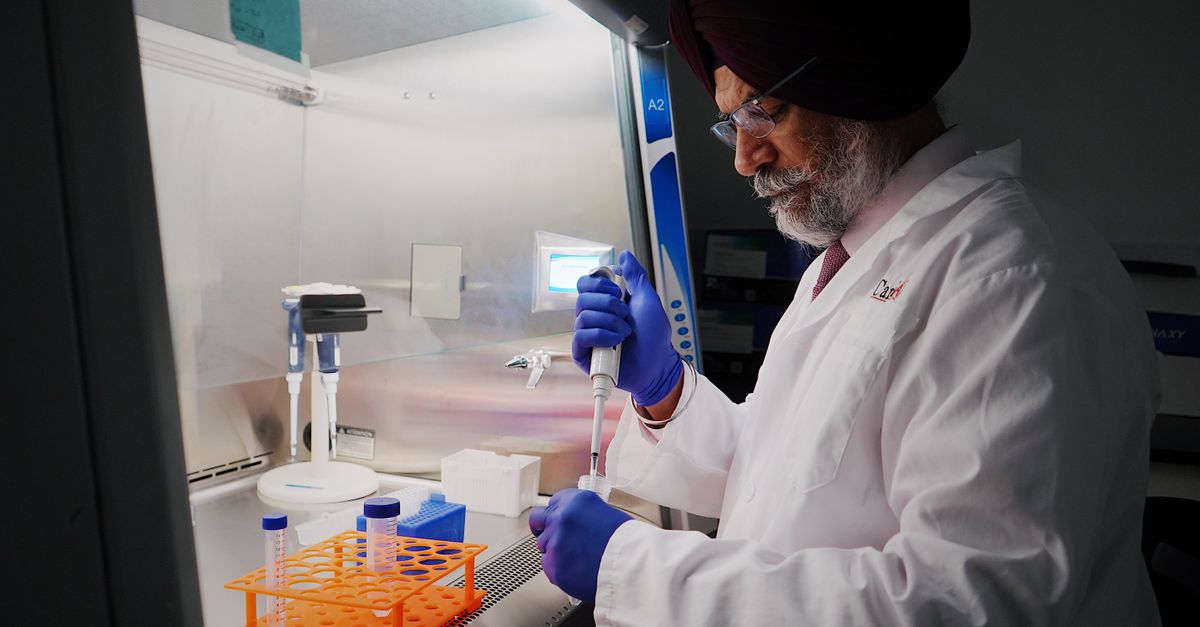
Diabetes can lead to hyperglycemia, causing various symptoms.
Diabetes is a chronic condition that affects how the body processes glucose, leading to various complications if left unmanaged. One of the most significant issues faced by diabetic patients is hyperglycemia, a condition characterized by high blood sugar levels. Understanding how diabetes leads to hyperglycemia and recognizing its symptoms is crucial for effective management and prevention of further health complications. This article delves into the interplay between diabetes and hyperglycemia, as well as the common symptoms experienced by those living with the condition.
Understanding the Link Between Diabetes and Hyperglycemia
Diabetes primarily manifests in two forms: Type 1 and Type 2. In Type 1 diabetes, the immune system destroys insulin-producing beta cells in the pancreas, leading to an absolute deficiency of insulin. Conversely, Type 2 diabetes is characterized by insulin resistance, where the body does not use insulin effectively despite its production. Both conditions can lead to an accumulation of glucose in the bloodstream, resulting in hyperglycemia.
The body relies on insulin to facilitate the uptake of glucose into cells for energy production. When insulin is either insufficient or ineffective, glucose remains in the bloodstream, causing blood sugar levels to rise. In healthy individuals, insulin secretion is finely tuned to match glucose intake from food. However, in diabetic patients, this regulatory mechanism fails, which paves the way for hyperglycemia. Chronic hyperglycemia can lead to serious complications such as cardiovascular disease, nerve damage, and kidney issues.
Several factors can exacerbate hyperglycemia in diabetics, including dietary choices, lack of physical activity, stress, and illness. For instance, consuming high-carbohydrate meals can spike blood sugar levels, particularly in those with poorly managed diabetes. Moreover, stress hormones can further impair insulin function, making glucose control even more challenging. Understanding these triggers is essential for patients to maintain better control over their blood sugar levels.
Common Symptoms of Hyperglycemia in Diabetic Patients
Hyperglycemia can manifest through a variety of symptoms, which may vary in intensity based on the severity and duration of elevated blood sugar levels. Common early signs include increased thirst and frequent urination, known medically as polydipsia and polyuria, respectively. These symptoms occur because the body attempts to eliminate excess sugar through urine, leading to dehydration and prompting increased fluid intake.
As hyperglycemia progresses, other symptoms may emerge, such as fatigue and blurred vision. Fatigue arises when cells are unable to effectively utilize glucose for energy due to insufficient insulin. Blurred vision occurs when high blood sugar levels cause fluid shifts in the eye's lens, affecting focus. If hyperglycemia continues unchecked, it may lead to more severe symptoms like nausea, vomiting, and abdominal pain, potentially indicating a medical emergency such as diabetic ketoacidosis.
It's crucial for diabetic patients to be vigilant about these symptoms and to monitor their blood glucose levels regularly. Recognizing the signs of hyperglycemia allows for timely intervention, which can help prevent more serious complications. Education on recognizing and managing these symptoms is a vital part of diabetes care, empowering individuals to take proactive steps in managing their health.
In summary, understanding how diabetes leads to hyperglycemia and recognizing its symptoms is vital for effective diabetes management. By grasping the mechanisms behind hyperglycemia and staying aware of its symptoms, diabetic patients can take proactive steps to maintain better health and prevent complications. For personalized strategies and management plans, individuals should consult qualified healthcare professionals, ensuring that their approach to diabetes care is informed and effective.