
How clinics can maintain service quality during busy periods
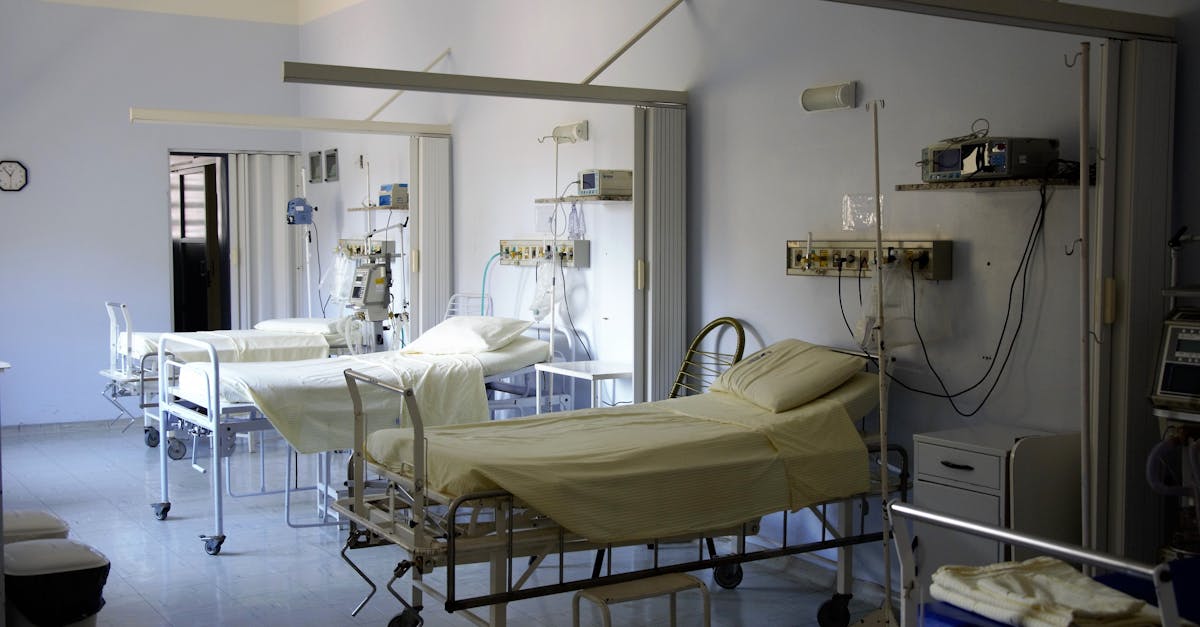
Balancing patient care and efficiency is crucial for clinics.
In today’s fast-paced healthcare environment, clinics face the challenge of delivering high-quality service during peak periods. Busy hours can lead to longer wait times, patient dissatisfaction, and a potentially compromised standard of care. However, with the right strategies in place, clinics can effectively manage their workflows, ensuring that patients receive timely and quality care even during rush hours. This article explores various strategies that clinics can adopt to enhance service quality during busy periods.
Strategies for Clinics to Enhance Service Quality in Rush Hours
To maintain high service quality during busy periods, clinics must focus on enhancing communication both internally and externally. First, staff should be trained to communicate effectively with one another, ensuring that everyone is aware of their responsibilities and the current patient load. Regular briefings can help staff share insights and collaborate on managing patient flow. Additionally, clinics should establish clear communication channels with patients, such as sending reminders for appointments and providing updates on expected wait times. This transparency can alleviate patient anxiety and improve their overall experience.
Another vital strategy is to prioritize patient triage. By implementing a robust triage system, clinics can assess the urgency of patients' needs and direct them to the appropriate healthcare providers more efficiently. This not only streamlines the patient flow but also ensures that patients with more serious conditions receive attention promptly. Clinics can also consider utilizing technology, such as electronic health records and appointment scheduling software, to expedite the triage process, helping staff make informed decisions quickly.
Lastly, clinics should engage in continuous feedback collection from patients and staff alike. Surveys and feedback forms can be instrumental in identifying pain points and areas for improvement. Regularly reviewing this feedback enables clinics to adapt their practices and implement necessary changes in real-time, thus enhancing service quality. By fostering a culture of responsiveness and openness, clinics can create an environment that prioritizes patient satisfaction even in the busiest times.
Implementing Efficient Systems to Manage Patient Flow Effectively
Effective patient flow management begins with optimizing appointment scheduling. Clinics can adopt a staggered appointment model to balance patient load throughout the day. By analyzing historical data, clinics can identify peak hours and adjust appointment slots accordingly. This approach not only minimizes wait times but also helps staff allocate resources better, ensuring that each patient is attended to in a timely manner. The use of online booking systems can further facilitate this process by allowing patients to choose their preferred times while enabling clinics to manage their schedules efficiently.
Additionally, clinics should consider enhancing their physical layout to promote a smoother patient flow. By ensuring that the waiting area, check-in desk, and consultation rooms are designed for optimal movement, clinics can minimize bottlenecks. Clear signage and an intuitive layout can guide patients through the clinic with ease, reducing confusion and frustration. Furthermore, clinics can assign staff specifically to monitor and assist patients in navigating the facility during busy periods, contributing to a more organized and pleasant experience.
Finally, adopting technology-driven solutions can significantly impact patient flow management. Implementing systems for real-time patient tracking can help clinics monitor wait times and adjust staffing as needed. Digital check-in systems can streamline the process, allowing patients to complete necessary paperwork before arriving. Telehealth options can also alleviate physical crowding by enabling certain consultations to occur remotely. Integrating these technologies not only improves efficiency but also enhances the overall patient experience, ensuring quality care is maintained even during peak times.
In conclusion, maintaining service quality during busy periods is a multifaceted challenge that clinics can manage through strategic planning, efficient systems, and effective communication. By prioritizing patient flow and continually seeking feedback, healthcare facilities can enhance their operations and ensure that every patient receives the care they deserve. The key lies in being proactive, adaptable, and responsive to both patient needs and operational demands—elements that can ultimately contribute to a higher standard of healthcare delivery.