
How Cancer Screenings Transform Early Detection and Treatment
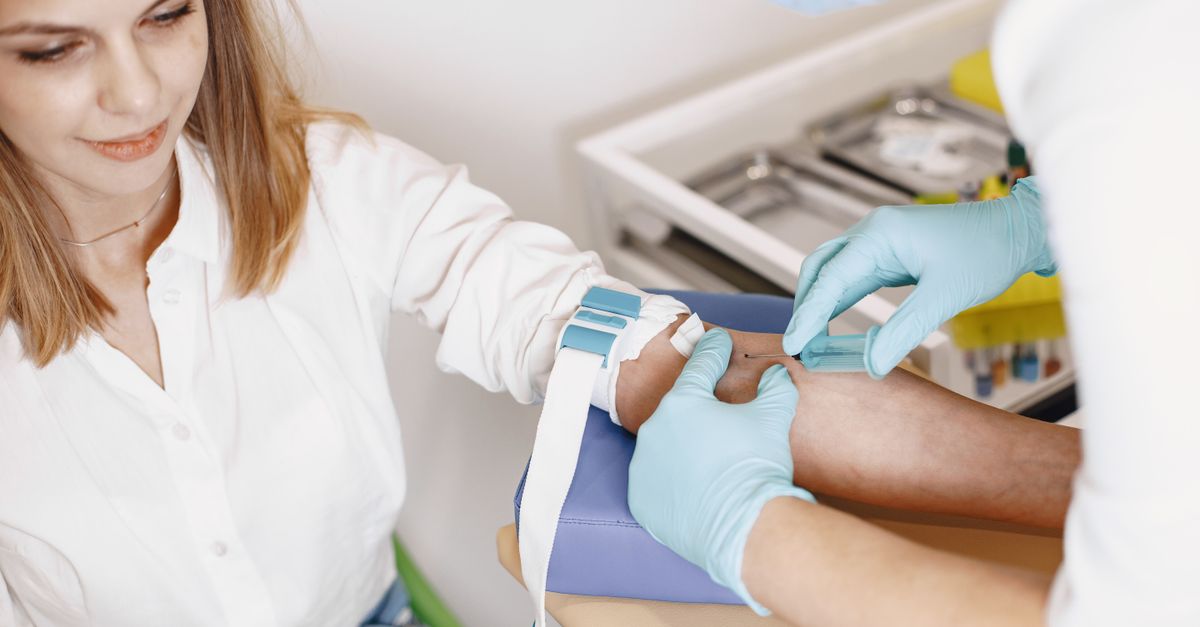
Cancer screenings save lives by catching the disease in its infancy, opening doors to more effective treatments and better outcomes.
Cancer is a formidable adversary that claims millions of lives each year, but early detection through screenings can dramatically alter this narrative. The power of cancer screenings lies in their ability to identify the disease in its nascent stages, often before symptoms emerge. This early detection is crucial, as it not only increases the chances of successful treatment but also significantly improves survival rates.
Why Early Detection Matters
Detecting cancer early is akin to stopping a wildfire before it spreads. According to the American Cancer Society, the five-year survival rate for localized cancer, where the disease has not spread beyond its original site, is significantly higher compared to cancers detected at a later stage. For instance, the survival rate for breast cancer diagnosed at a localized stage is about 99%, compared to 27% when discovered at an advanced stage.
The Types of Screenings Available
Several screening tests are available, each designed to detect specific types of cancer. Mammograms are utilized for breast cancer, colonoscopies for colorectal cancer, Pap smears and HPV tests for cervical cancer, and low-dose computed tomography (LDCT) for lung cancer in high-risk populations. Each of these screenings has been rigorously tested and proven to reduce cancer mortality.
The U.S. Preventive Services Task Force provides guidelines on who should be screened and how often. For example, it recommends biennial mammograms for women aged 50 to 74, while colorectal cancer screenings are advised for adults aged 45 to 75. These guidelines help ensure that screenings are both effective and necessary, minimizing the risk of overdiagnosis and the accompanying stress and treatment burdens.
Challenges and Barriers to Screening
Despite the clear benefits, several barriers hinder the widespread adoption of cancer screenings. Socioeconomic factors, such as lack of insurance or access to healthcare facilities, can impede an individual's ability to receive timely screenings. Cultural beliefs and fear of diagnosis also play a role, as does a lack of awareness about the importance of regular screenings.
To combat these issues, public health campaigns and community outreach programs are vital. They can educate the population about the importance of early detection and provide resources to facilitate access to screenings. Efforts like mobile screening units and partnerships with local organizations have shown promise in reaching underserved communities.
The Impact of Technology on Screening
Advancements in technology are continuously reshaping cancer screenings. Innovations such as liquid biopsies, which analyze blood samples for cancer cells or DNA, offer the potential for less invasive and more frequent screenings. Artificial intelligence (AI) is also making its mark by improving the accuracy of image-based screenings, such as mammograms, through enhanced pattern recognition.
These technological advancements hold the promise of improving the accuracy and accessibility of screenings, potentially leading to even earlier detection and better patient outcomes. As research continues, these tools may become standard practice, further bolstering the effectiveness of cancer screening programs.
A Future Focused on Prevention
The ultimate goal of cancer screenings is to shift the focus from treatment to prevention. By catching cancer early, we not only improve the chances of a positive outcome but also reduce the overall burden on healthcare systems. This shift requires a concerted effort from healthcare providers, policymakers, and the public to prioritize screenings as a key component of preventive healthcare.
As screenings become more integrated into routine healthcare, the hope is that more people will understand their importance and make them a regular part of their health regimen. "Early detection is a game-changer," says Dr. Susan Brown, a leading oncologist. "It gives us the upper hand in a battle where timing can mean everything."