
How Can You Reduce Cholesterol Levels
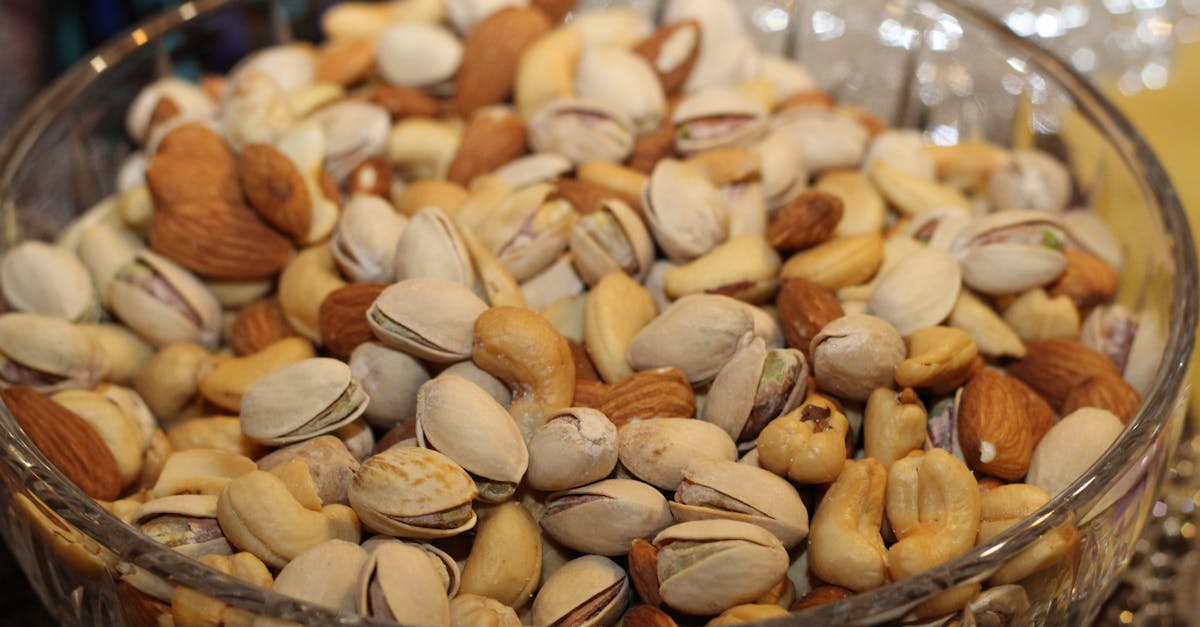
Learn effective strategies to lower your cholesterol levels.
Cholesterol is a waxy substance found in the blood that plays a crucial role in the body, but elevated levels can contribute to heart disease and other health issues. Understanding how to manage cholesterol levels is essential for promoting overall well-being. This article explores effective dietary changes and lifestyle modifications that can help you lower your cholesterol levels, offering practical tips grounded in research and expert advice.
Effective Dietary Changes to Lower Your Cholesterol Levels
One of the most impactful ways to manage cholesterol is through dietary changes. Incorporating heart-healthy foods can significantly help in reducing LDL (low-density lipoprotein) cholesterol, often referred to as "bad" cholesterol. Foods rich in soluble fiber, such as oats, beans, lentils, fruits, and vegetables, can help block the absorption of cholesterol in the bloodstream. According to the American Heart Association, consuming at least 5 to 10 grams of soluble fiber daily can help lower cholesterol levels.
In addition to fiber, it's essential to include healthy fats in your diet. Opting for unsaturated fats found in olive oil, avocados, nuts, and fatty fish can provide benefits over saturated fats typically found in red meat and full-fat dairy products. Replacing these saturated fats with unsaturated ones has been linked to lower LDL cholesterol levels. The Mediterranean diet, which emphasizes fruits, vegetables, whole grains, and healthy fats, is often recommended for maintaining heart health.
Moreover, reducing your intake of trans fats is crucial. Found in many processed foods, trans fats can raise LDL cholesterol while simultaneously lowering HDL (high-density lipoprotein) cholesterol, the "good" kind. To keep your cholesterol levels in check, always read food labels and be cautious of items that list partially hydrogenated oils as ingredients. Making these dietary changes can create a solid foundation for better heart health.
Lifestyle Modifications for Better Heart Health and Balance
In addition to dietary changes, adopting certain lifestyle modifications can further enhance heart health and cholesterol management. Regular physical activity is vital; engaging in moderate exercise for at least 150 minutes per week can help lower LDL cholesterol and raise HDL cholesterol. Activities such as brisk walking, cycling, swimming, or dancing not only improve cardiovascular health but also promote overall well-being by reducing stress levels.
Moreover, maintaining a healthy weight plays a significant role in managing cholesterol. Excess body weight can negatively impact cholesterol levels and increase the risk of heart disease. A combination of a balanced diet and regular exercise can facilitate weight loss or maintenance. Health experts suggest setting realistic goals and making gradual changes to your lifestyle for sustainable weight management.
Lastly, stress management is an often-overlooked factor in cholesterol control. Chronic stress can lead to unhealthy habits such as poor eating and lack of exercise, which can increase cholesterol levels. Incorporating stress-reduction techniques such as mindfulness, meditation, or yoga can create a more balanced lifestyle. By addressing both physical activity and mental well-being, individuals can make meaningful strides in managing their cholesterol levels.
Managing cholesterol levels involves a multifaceted approach that combines dietary changes and lifestyle modifications. By focusing on heart-healthy foods, regular exercise, and stress management, individuals can take proactive steps toward maintaining optimal cholesterol levels. As always, it is advisable to consult healthcare professionals for personalized recommendations and ongoing monitoring. Embracing a holistic approach to heart health can lead to improved quality of life and reduced risk of cardiovascular disease.