
How Can You Prevent Falls in Older Adults
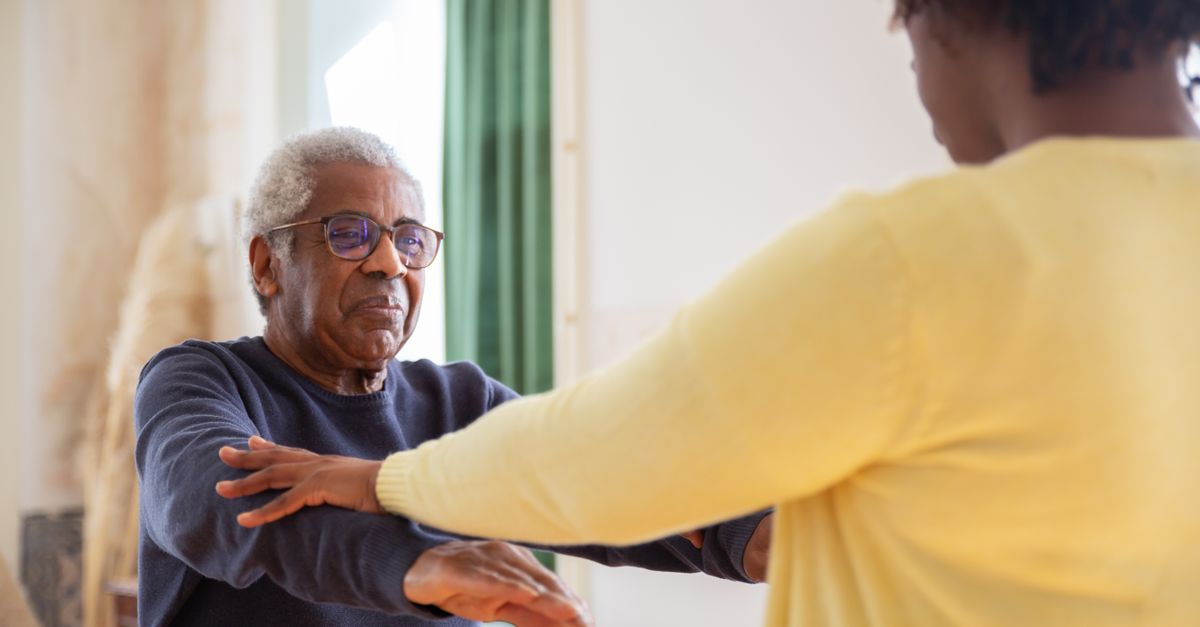
Preventing falls in older adults is crucial for safety and health.
Falls among older adults are a significant public health concern, often leading to serious injuries, loss of independence, and even fatalities. According to the World Health Organization (WHO), falls are the second leading cause of unintentional injury deaths worldwide. Preventing falls in seniors requires a multifaceted approach encompassing lifestyle changes, home modifications, and community support. This article will explore essential tips for reducing fall risks and creating a safe home environment for older adults.
Essential Tips for Reducing Fall Risks in Seniors
One of the most effective ways to prevent falls among older adults is to encourage regular physical exercise. Activities such as balance training, strength training, and flexibility exercises can significantly improve stability and coordination. The Centers for Disease Control and Prevention (CDC) recommends activities like Tai Chi, which is particularly beneficial for enhancing balance. Even simple exercises, when performed consistently, can reduce the likelihood of falls.
In addition to physical activity, seniors should also be mindful of their medications. Some medications can cause side effects such as dizziness, drowsiness, or confusion, which may increase the risk of falls. Regularly reviewing medications with healthcare providers can help identify and adjust those that pose a risk. Furthermore, seniors should be encouraged to communicate openly about any new symptoms or side effects they experience while on medication.
Lastly, vision and hearing checks play a crucial role in fall prevention. Many older adults may not realize that poor vision or hearing can significantly impair their ability to navigate their environments safely. Regular check-ups with optometrists and audiologists can help address these issues. Wearing appropriate eyewear and hearing aids as prescribed can enhance sensory perception and contribute to better mobility, thus reducing the likelihood of falls.
Creating a Safe Home Environment for Older Adults
A safe home environment is paramount in preventing falls among older adults. Start by assessing the living space for potential hazards. Common issues include loose rugs, cluttered walkways, and inadequate lighting. Removing tripping hazards and ensuring that all walkways are clear can make a significant difference. Installing non-slip mats in bathrooms and kitchens can also help provide stability in areas where falls are most likely to occur.
Improving lighting throughout the home is essential for visibility. This includes not only brightening rooms but also ensuring that hallways and staircases are well-lit. Nightlights are a simple yet effective solution for guiding individuals safely during nighttime hours. Seniors should be encouraged to use light switches or lamps that are easily accessible, minimizing the need to navigate in the dark.
Additionally, equipping homes with assistive devices can enhance safety. Handrails should be installed along staircases, and grab bars should be placed in bathrooms to provide support when entering or exiting a shower or bathtub. Similarly, using raised toilet seats can also facilitate easier transitions. Encouraging older adults to use mobility aids, such as canes or walkers, when needed can also be an effective strategy for fall prevention.
Preventing falls in older adults is a collaborative effort that involves understanding risks and implementing proactive strategies. By incorporating regular exercise, monitoring medications, and creating a safe living environment, families and communities can significantly reduce the incidence of falls among seniors. It is essential for caregivers and healthcare professionals to remain vigilant, as a comprehensive approach not only promotes safety but also enhances the overall quality of life for older adults. Awareness and education are key components in this ongoing effort to safeguard our aging population.