
How Can Rural Citizens Enroll in State Health Insurance Programs
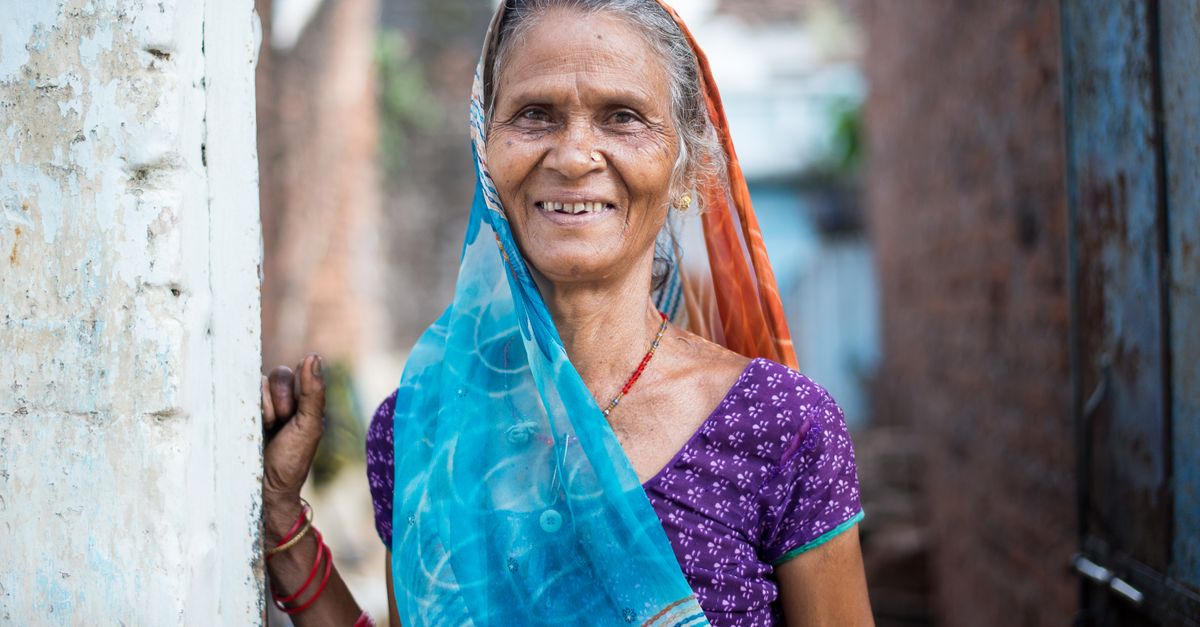
Rural citizens can access state health insurance with ease.
Access to healthcare is a fundamental right, yet it remains a challenging endeavor for many rural citizens. State health insurance programs are designed to provide essential coverage, but navigating the enrollment process can often be complex, particularly in rural areas where resources may be limited. This article outlines the available options for rural residents and the steps they can take to enroll in state health insurance programs effectively.
Understanding State Health Insurance Options for Rural Areas
State health insurance programs vary significantly across different regions, and understanding these options is crucial for rural citizens. Many states offer Medicaid, a program aimed at providing low-income individuals and families with health coverage. In addition to Medicaid, some states also have Children’s Health Insurance Programs (CHIP) that extend coverage to children in families with incomes too high to qualify for Medicaid but too low to afford private health insurance.
Rural areas often experience unique challenges, such as fewer healthcare facilities and providers, which can complicate the enrollment process. However, many states have implemented outreach initiatives specifically targeting rural populations to ensure they are aware of their health insurance options. These initiatives may include community workshops, informational brochures, and dedicated online resources tailored to the needs of rural residents.
Moreover, understanding eligibility criteria is vital. Programs like Medicaid and CHIP typically have income and asset limits that determine eligibility. It's essential for rural citizens to familiarize themselves with these criteria as they may differ from one state to another. Local government offices and health departments can provide necessary information to help residents understand which program may be best suited for their needs.
Steps for Rural Residents to Access Health Insurance Programs
Enrolling in a state health insurance program starts with gathering necessary information. Rural citizens should first identify their eligibility based on income, family size, and other criteria relevant to their state’s programs. This information is often available through local health departments or via state health insurance websites. Understanding these factors can simplify the enrollment process, helping individuals determine which programs they may qualify for.
Once eligibility is established, the next step is to gather required documentation. Applicants typically need identification, proof of residency, and income verification documents. For rural residents, accessing these documents can sometimes be challenging, especially if they lack internet connectivity. Therefore, visiting local governmental offices or community centers can provide assistance in collecting and submitting the necessary paperwork.
Finally, rural residents can complete the enrollment process online, via phone, or in person, depending on the state's offerings. Many states provide online portals where citizens can apply directly for health insurance, while others may require phone interviews or in-person visits. It’s crucial to adhere to enrollment deadlines, as missing them may result in having to wait until the next open enrollment period. Continuous communication with local health representatives can assist in navigating any challenges that arise during the enrollment process.
In conclusion, while accessing state health insurance programs can pose challenges for rural citizens, understanding the available options and the steps involved can facilitate enrollment. By leveraging local resources, gathering necessary information, and adhering to eligibility requirements, rural residents can secure the healthcare coverage they need. As healthcare continues to evolve, staying informed about available options will empower individuals to take charge of their health and well-being.