
How AI is Transforming Rare Disease Diagnosis
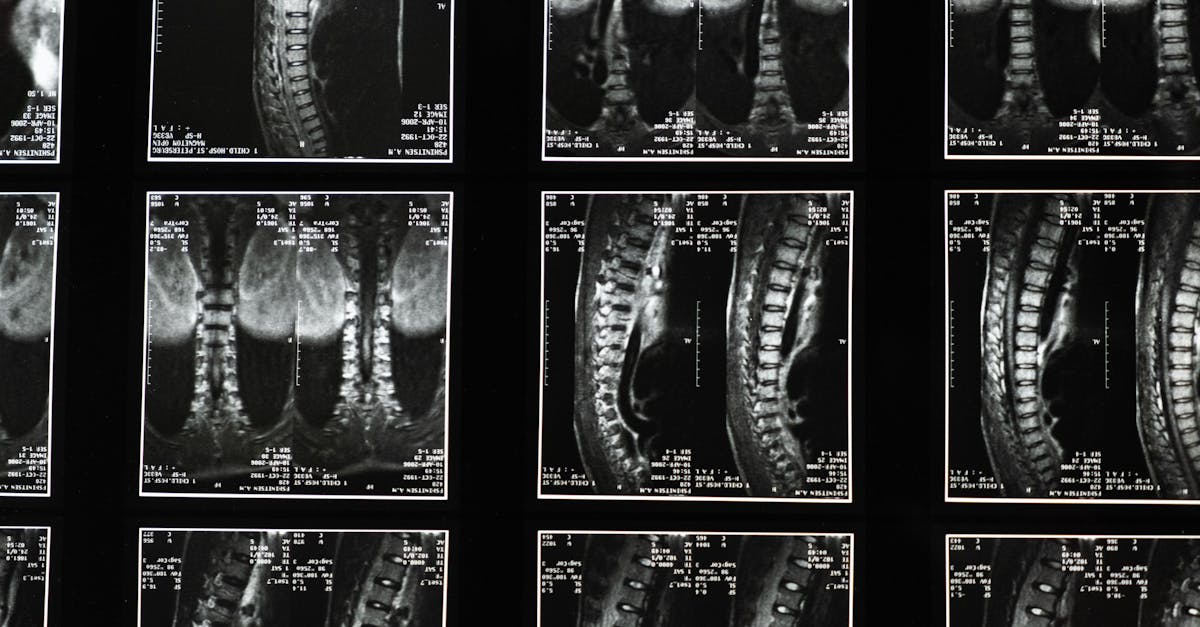
AI's potential in diagnosing rare diseases offers new hope by accelerating identification and improving accuracy, tackling what was once a lengthy and uncertain process.
For patients with rare diseases, the journey to diagnosis is often fraught with uncertainty and prolonged suffering. These conditions, each affecting fewer than 200,000 individuals in the U.S., collectively impact millions worldwide. Traditionally, diagnosing these diseases can take years, with patients seeing multiple specialists and undergoing numerous tests. However, artificial intelligence (AI) is beginning to revolutionize this landscape, offering a faster and more accurate path to diagnosis.
Why Rare Diseases Present a Diagnostic Challenge
The rarity and diversity of symptoms associated with rare diseases make them particularly challenging to diagnose. Physicians may only encounter these conditions a handful of times in their careers, leading to a lack of familiarity and expertise. Additionally, the symptoms often overlap with more common diseases, complicating the diagnostic process further. The resulting diagnostic odyssey can lead to patient frustration and delayed treatment, exacerbating health outcomes.
The Role of AI in Streamlining Diagnosis
AI has shown promise in addressing these challenges by analyzing vast amounts of data more efficiently than human capabilities allow. By leveraging machine learning algorithms, AI systems can sift through medical records, genomic data, and imaging studies to identify patterns indicative of rare diseases. For instance, AI can analyze genetic variants to predict the likelihood of certain genetic disorders, offering a level of precision that was previously unattainable.
One notable example is the use of AI in facial recognition technology to identify rare genetic conditions that present distinct facial features. Technologies like Face2Gene employ deep learning to compare patient photos with a database of images linked to specific syndromes, aiding clinicians in narrowing down potential diagnoses.
Case Studies Highlighting Success
Several case studies have underscored the potential of AI in rare disease diagnosis. In 2019, researchers at the University of California, San Diego, developed an AI tool that successfully diagnosed rare diseases in children by analyzing genetic data. The system was able to provide a diagnosis in under 24 hours, significantly reducing the typical diagnostic timeline.
Similarly, the use of AI in radiology has demonstrated its utility in identifying rare skeletal dysplasias from imaging scans, providing clinicians with insights that might be missed during manual review. These advancements not only expedite diagnosis but also improve the accuracy of the results, leading to better-informed treatment decisions.
Ethical Considerations and Limitations
While AI holds great promise, its integration into rare disease diagnosis is not without challenges. Ethical considerations, such as data privacy and informed consent, must be addressed to ensure patient trust and compliance with regulations like HIPAA. Moreover, the accuracy of AI models depends heavily on the quality and diversity of the data they are trained on. Inadequate representation of minority groups in datasets can lead to biased outcomes, necessitating ongoing efforts to improve data inclusivity.
Furthermore, AI systems are not infallible and should be viewed as supplementary tools rather than replacements for human expertise. The interpretability of AI decisions remains a critical area of focus, as clinicians need to understand and validate AI-generated insights before making critical healthcare decisions.
The Path Forward
Looking ahead, the integration of AI into rare disease diagnostics will likely accelerate as technology continues to advance and more comprehensive datasets become available. Collaborations between technology companies, healthcare institutions, and patient advocacy groups will be crucial in driving these innovations forward. As AI becomes further entrenched in healthcare, it offers the hope of not only transforming rare disease diagnosis but also providing a model for tackling other complex medical challenges.
As Dr. John Smith, a geneticist at the National Institutes of Health, states, "AI has the potential to be a game-changer for patients with rare diseases, offering a diagnostic lifeline where there was once limited hope."