
How AI is Transforming Medical Documentation Practices
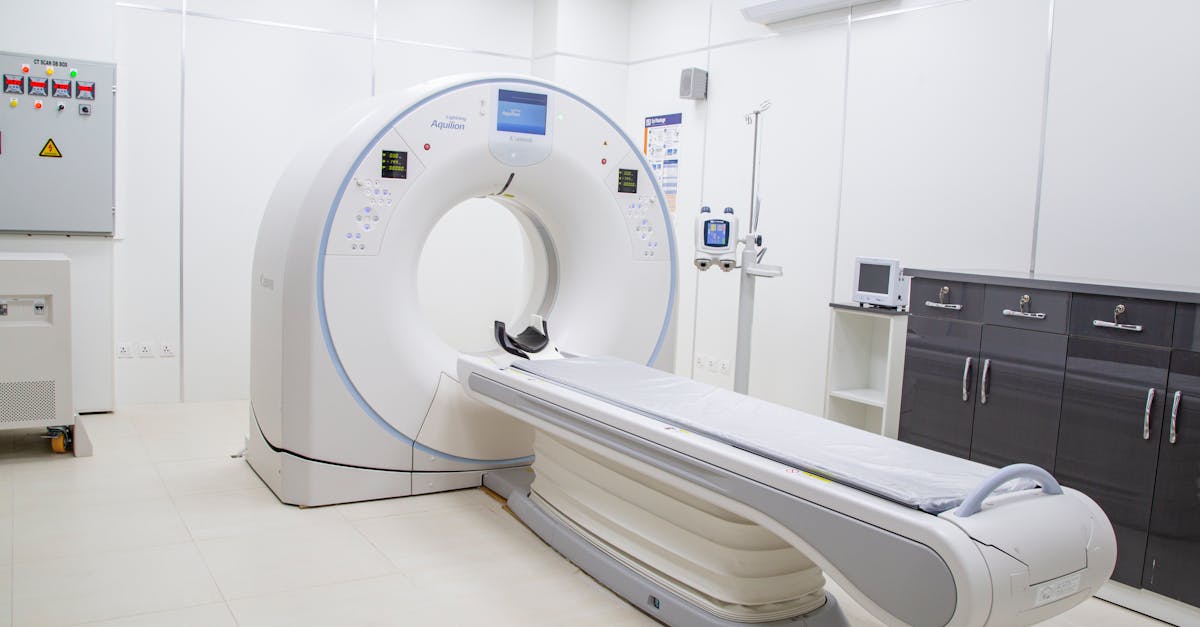
AI is reshaping the landscape of medical documentation, enhancing accuracy and efficiency while reducing physician burnout.
The integration of artificial intelligence into medical documentation is revolutionizing how healthcare providers handle patient records. With the rise of advanced machine learning algorithms, hospitals and clinics are witnessing a significant transformation in how documentation is created and maintained. This shift not only improves efficiency but also enhances the quality of patient care by allowing healthcare professionals to focus more on their patients and less on paperwork.
Why AI is Becoming Integral in Healthcare Documentation
Traditional medical documentation has long been a burden for healthcare providers, consuming valuable time that could otherwise be spent on patient care. According to a study published by the Annals of Internal Medicine, physicians spend approximately 16 minutes on electronic health records (EHR) per patient. AI technologies are stepping in to alleviate this burden by automating routine tasks. Natural Language Processing (NLP) is one such technology that enables computers to understand and transcribe spoken medical notes, thus reducing the time doctors spend on documentation.
Moreover, AI tools can assist in coding and billing processes by analyzing data and suggesting the most appropriate billing codes, thus reducing errors that could lead to financial penalties. This capability is particularly crucial in the United States, where the complexity of billing systems can be overwhelming.
Enhancing Accuracy and Reducing Human Error
AI-driven documentation systems have the potential to drastically reduce human error in medical records. Errors in documentation can lead to misdiagnosis and incorrect treatment plans, posing significant risks to patient safety. AI systems improve accuracy by cross-referencing patient data against vast medical databases to identify discrepancies or potential errors.
For instance, IBM's Watson Health has developed AI solutions capable of suggesting treatment options based on patient history and current medical research. Such tools not only enhance the reliability of medical records but also provide healthcare practitioners with insights that could lead to better patient outcomes.
Addressing Physician Burnout
Physician burnout is a critical issue in the healthcare industry, often exacerbated by the administrative burdens of medical documentation. A report by the National Academy of Medicine highlights the link between EHR-related tasks and burnout. AI can significantly reduce this burden by handling repetitive documentation tasks, allowing healthcare providers to allocate more of their time to patient interaction.
Furthermore, AI can streamline workflows by alerting physicians to critical patient information and even suggesting next steps in patient care, thus reducing cognitive overload. This enables healthcare providers to work more efficiently, potentially reducing burnout and improving job satisfaction.
The Challenges and Considerations
Despite its benefits, the adoption of AI in medical documentation is not without challenges. One of the main concerns is data privacy and security. With AI systems accessing sensitive patient information, there is an increased risk of data breaches. Healthcare institutions must ensure robust security measures are in place to protect patient data.
Another challenge is the integration of AI systems into existing EHR platforms. Many hospitals operate on legacy systems that may not be compatible with new AI technologies, requiring significant investment in infrastructure upgrades.
Training and acceptance among healthcare professionals is also crucial. Successful implementation of AI in medical documentation requires buy-in from physicians and administrative staff, who must be comfortable and proficient in using these new tools.
The Road Ahead for AI in Medical Documentation
As AI technology continues to evolve, its role in medical documentation is likely to expand. Future developments may include more sophisticated decision-support systems that not only assist in documentation but also offer predictive analytics to anticipate patient needs.
While there are challenges to overcome, the potential benefits of AI in medical documentation are undeniable. By reducing administrative burdens, enhancing accuracy, and improving workflow efficiency, AI has the potential to transform healthcare delivery. As one physician noted, "AI is not about replacing doctors; it's about giving them more time to do what they do best—care for patients."