
How AI Could Simplify the Complex World of Health Insurance
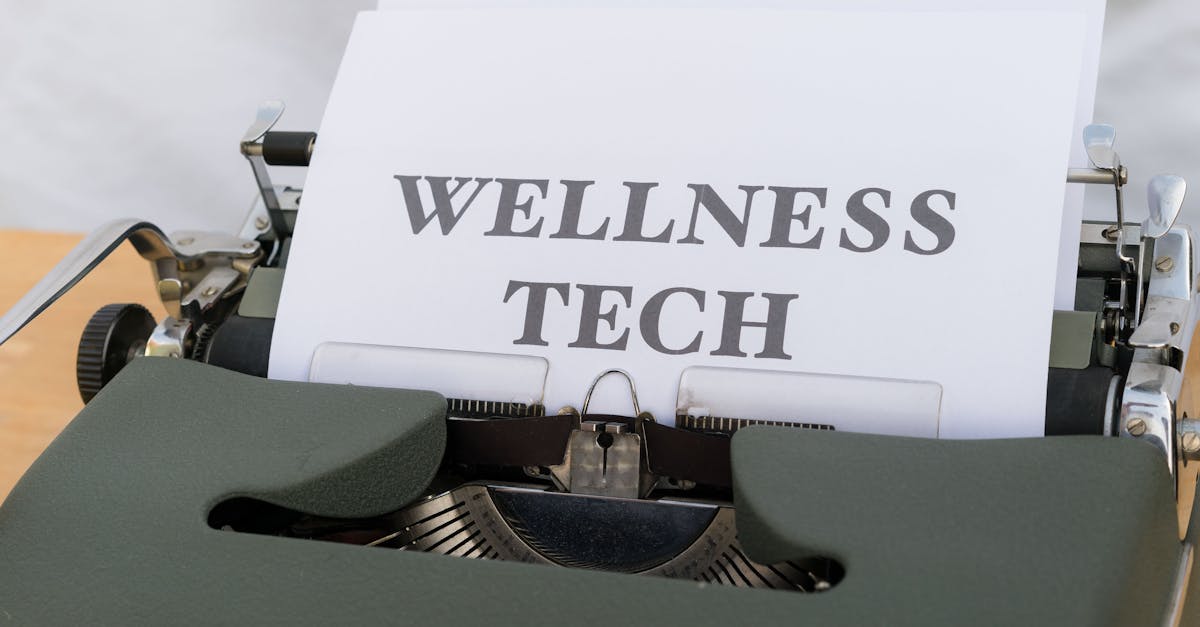
AI promises to demystify health insurance, making policies simpler for consumers.
For many Americans, navigating the labyrinth of health insurance feels like deciphering an ancient text. From understanding premiums to decoding complex terms and conditions, the journey can be daunting. Enter artificial intelligence (AI), a technology poised to transform this experience into something more user-friendly and transparent.
Translating Jargon into Plain Language
One of the most promising applications of AI in health insurance is its ability to translate convoluted insurance jargon into plain language. Companies such as Lemonade and Oscar Health are already employing machine learning algorithms to break down dense policy documents, making them more accessible to the average consumer. By analyzing text patterns and context, AI can distill information into digestible summaries that highlight key aspects like coverage limits, deductibles, and copayments without the fluff.
Personalized Coverage Recommendations
AI not only simplifies language but also tailors insurance options to individual needs. Advanced algorithms can analyze a user's medical history, lifestyle choices, and financial status to recommend the most appropriate insurance plans. This personalized approach ensures that consumers are not overpaying for unnecessary coverage or missing out on essential benefits. This is particularly beneficial for those with chronic conditions who need specific coverage options, as AI can identify plans that best meet their ongoing healthcare needs.
Streamlining Claims Processing
Another area where AI shows promise is in streamlining the claims process. Traditionally, filing a claim can be a cumbersome experience, often requiring a mountain of paperwork and extended wait times for reimbursement. AI-driven systems can automate this process by quickly verifying claims, checking for errors, and even predicting outcomes based on historical data. This results in faster processing times and reduces the administrative burden on both insurers and policyholders.
Enhancing Customer Support
Customer service in the health insurance sector often draws criticism for long wait times and frustrating interactions. AI-powered chatbots and virtual assistants are stepping in to fill this gap. These digital helpers can handle a wide range of inquiries, from simple questions about policy details to more complex troubleshooting. By providing immediate and accurate responses, these systems improve customer satisfaction and free up human agents to handle more nuanced cases.
The Future of AI in Health Insurance
While AI offers numerous advantages, its integration into the insurance sector is not without challenges. Concerns about data privacy and the potential for algorithmic bias must be addressed to ensure fair and equitable outcomes for all consumers. Moreover, the complexity of medical data requires sophisticated models that can accurately interpret and apply information without errors.
Despite these hurdles, the potential for AI to revolutionize health insurance is immense. As technology continues to evolve, insurers that embrace AI stand to gain a competitive edge, offering products and services that are not only easier to understand but also more aligned with consumer needs. As one industry expert notes, "The future of health insurance isn't just about coverage; it's about clarity."