
Houston Faces Rising Demand for Advanced Cancer Care Solutions
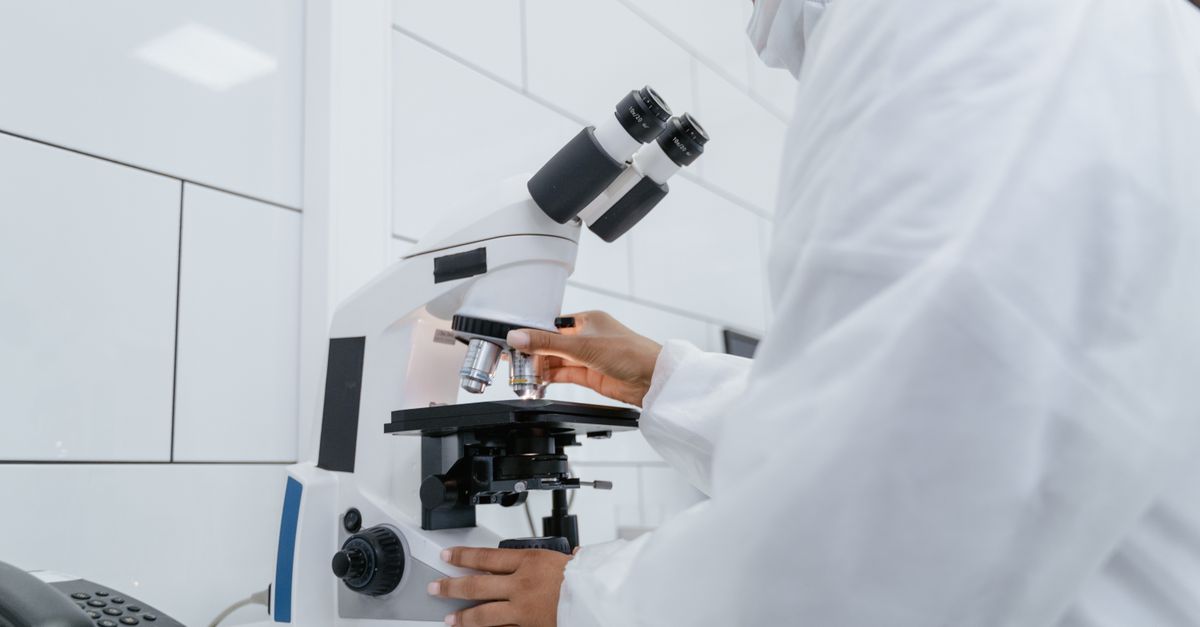
Houston's cancer care demand surges, driven by population growth and complex cases, challenging local healthcare systems.
Houston, renowned for its sprawling medical complex and cutting-edge research, is now grappling with a rapidly increasing demand for advanced cancer care. As the fourth most populous city in the United States, Houston's population boom, coupled with an aging demographic, is driving a surge in cancer diagnoses that is testing the limits of its healthcare infrastructure.
Population Growth and Aging Contribute to Demand
The U.S. Census Bureau estimates that Houston's population has grown by over 10% in the past decade. This growth is not just in numbers but also in age, as the baby boomer generation continues to advance into their senior years. This demographic shift is significant because cancer risk increases with age, making this population particularly vulnerable.
Moreover, the diversity of Houston's population adds layers of complexity to healthcare delivery. The city's rich tapestry of ethnic backgrounds demands culturally competent care, which is essential in ensuring effective patient-provider communication and adherence to treatment regimens.
Strain on Healthcare Systems
The Texas Medical Center, the world's largest medical complex, is at the forefront of tackling this demand. However, even with its vast resources, the center is feeling the pressure. According to the American Cancer Society, Texas is expected to see over 130,000 new cancer cases in 2023, a considerable portion of which will be managed in Houston.
Local hospitals are witnessing an uptick in complex cases requiring multidisciplinary approaches. This situation is compounded by a national shortage of oncologists, a challenge that the American Society of Clinical Oncology warns could delay treatment timelines and affect patient outcomes.
Innovations in Cancer Care
In response, Houston's healthcare providers are turning to innovative solutions. Institutions like MD Anderson Cancer Center are leveraging precision medicine and immunotherapy to tailor treatments to individual patient profiles. These approaches are not only improving survival rates but also enhancing the quality of life for patients.
Additionally, collaborations between academic institutions and biotech companies are accelerating research and development in cancer treatment. For instance, the University of Texas Health Science Center is partnering with pharmaceutical companies to fast-track clinical trials, bringing promising therapies to patients more swiftly.
Financial and Regulatory Challenges
Despite these advancements, financial and regulatory hurdles remain. The high cost of cancer care is a significant barrier, with the National Cancer Institute estimating that the economic burden of cancer in the United States will exceed $200 billion by 2024. In Houston, where a significant portion of the population is uninsured or underinsured, this poses a formidable challenge.
Moreover, regulatory pathways for new treatments can be cumbersome. The Food and Drug Administration (FDA) and Centers for Medicare & Medicaid Services (CMS) are under pressure to streamline processes to ensure timely access to lifesaving treatments. Advocacy for policy reform is critical in this landscape to balance innovation with affordability.
The Road Ahead
As Houston continues to grow, the demand for advanced cancer care will only intensify. The city's healthcare leaders must navigate a complex web of demographic changes, technological advancements, and financial constraints to meet this challenge. The focus must remain on developing sustainable models of care that can adapt to a rapidly evolving healthcare environment.
For Houston, a city known for its resilience and innovation, addressing the burgeoning demand for cancer care is not just a necessity but an opportunity to lead by example in transforming cancer treatment paradigms for the future.