
Honolulu's Healthcare Access Challenges: Island Barriers and Solutions
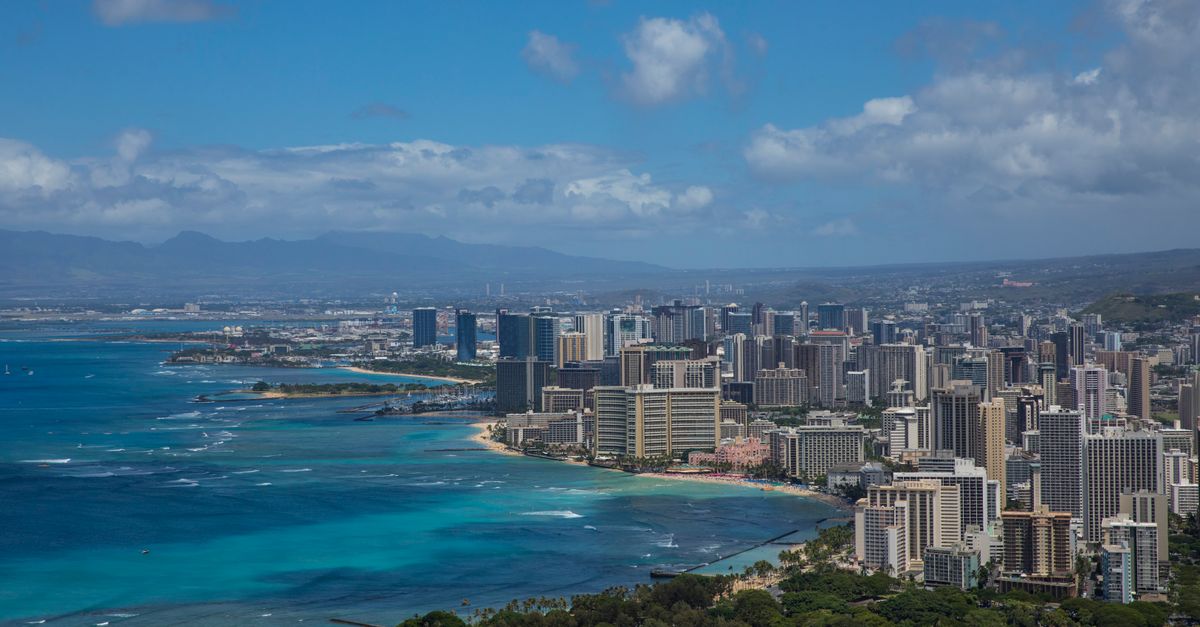
Honolulu faces unique healthcare access issues, from geographic isolation to provider shortages, impacting resident care.
Honolulu, the bustling capital of Hawaii, is often celebrated for its beaches and vibrant culture, yet beneath its tropical allure lies a pressing challenge: healthcare access. The geographic isolation of the islands coupled with a shortage of healthcare providers presents a unique set of hurdles impacting the care residents receive.
Geographic Isolation and Its Impact
Unlike mainland urban centers, Honolulu's healthcare system grapples with the logistical challenges posed by its location. The Pacific Ocean, while picturesque, acts as a barrier to quick access to medical supplies and specialized care. Emergency medical evacuations to the mainland can be logistically complex and financially burdensome, often requiring coordination with multiple agencies and insurers.
Moreover, for certain specialties such as oncology and cardiology, patients might need to travel to the mainland for advanced procedures, creating a significant burden both financially and emotionally. The lack of immediate access to specialized care could delay critical interventions, potentially worsening health outcomes.
Provider Shortages and Workforce Issues
Honolulu's healthcare system is also strained by a shortage of healthcare professionals. According to a 2022 report by the Hawaii/Pacific Basin Area Health Education Center, Hawaii faces a shortfall of over 800 physicians, with the greatest needs in primary care, mental health, and specialty services. This shortage is exacerbated by the high cost of living and operational challenges unique to the islands, which hinder recruitment and retention of medical staff.
Compounded by the aging population of the islands, the demand for healthcare services is outpacing supply. Medicare and Medicaid, pivotal components of the healthcare system, are stretched thin, often leading to longer wait times and reduced access to services for the elderly and low-income populations.
Infrastructural and Technological Barriers
While telehealth has emerged as a potential solution to bridge the gap in healthcare access, Honolulu faces infrastructural challenges that limit its efficacy. Internet connectivity can be inconsistent, particularly in rural areas of the islands, affecting the quality and reliability of telehealth services.
The adoption of electronic health records (EHRs) has been slower compared to mainland facilities, partly due to technological constraints and the high costs associated with upgrading systems. The lack of seamless integration across healthcare facilities in Honolulu can lead to fragmented care and inefficiencies.
Policy and Strategic Initiatives
Efforts to address these challenges involve a combination of state and federal initiatives. The Hawaii State Department of Health, alongside the Centers for Medicare & Medicaid Services (CMS), is working to enhance reimbursement rates for telehealth services, aiming to incentivize providers to adopt and expand virtual care offerings.
Furthermore, partnerships with mainland medical schools and residency programs are being explored to increase the local workforce. Programs such as the National Health Service Corps offer loan repayment options for healthcare professionals who commit to working in underserved areas like Honolulu, which could be pivotal in addressing provider shortages.
The Road Ahead
While progress is being made, Honolulu's healthcare access issues require sustained effort and innovative solutions. As the islands continue to adapt, the success of these initiatives will depend heavily on collaboration between local healthcare providers, government agencies, and the community itself.
For Honolulu, turning these challenges into opportunities for improvement is not just a necessity—it’s a commitment to ensure that all residents have access to the quality healthcare they deserve.