
Honolulu's Healthcare: A Model for Isolated Communities
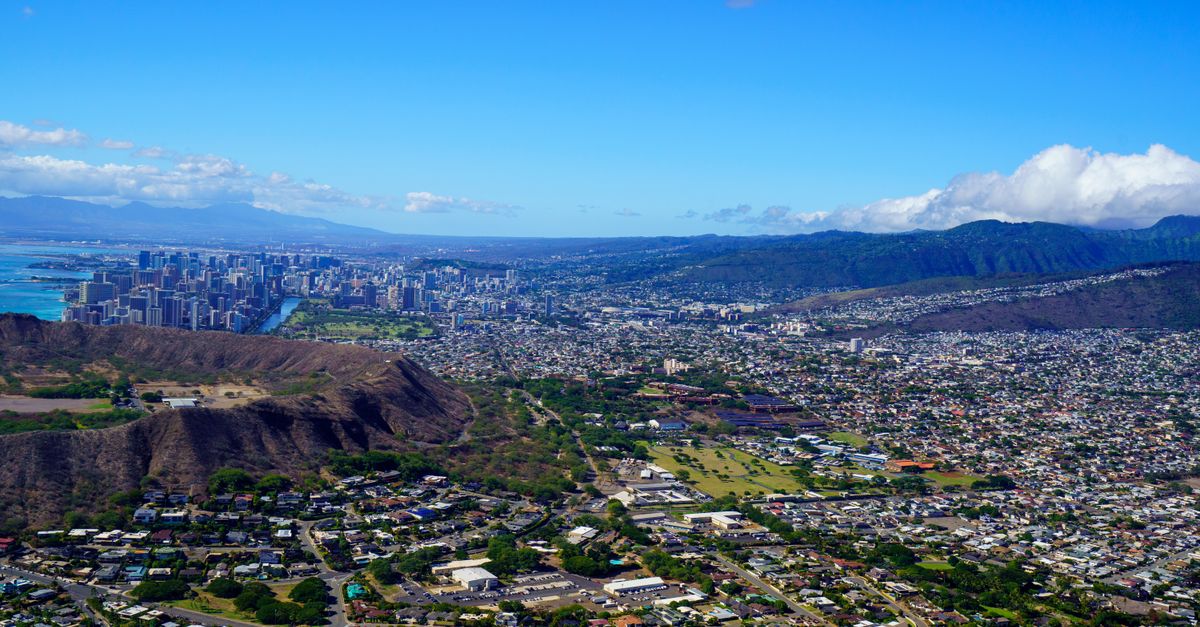
Honolulu exemplifies how geographically isolated areas can innovate healthcare delivery, addressing unique challenges and setting a precedent for similar regions.
As the capital city of Hawaii, Honolulu is uniquely positioned as both a hub of healthcare innovation and a case study in the challenges of delivering medical services in geographically isolated communities. With its location more than 2,000 miles from the U.S. mainland, Honolulu's healthcare system faces distinct obstacles that necessitate inventive solutions. These innovations could serve as a blueprint for other remote regions across America.
Remote Challenges and Local Solutions
Honolulu's isolation presents logistical hurdles in healthcare delivery, such as limited access to specialized medical equipment and personnel. This distance from the mainland complicates the timely delivery of critical pharmaceuticals and medical supplies, often resulting in higher costs and delays. Hospitals like The Queen’s Medical Center have had to adapt by investing in advanced telemedicine technologies and forging partnerships with mainland institutions to ensure continuity of care.
Telemedicine, for example, has become a cornerstone of Honolulu's health strategy. With the COVID-19 pandemic accelerating the acceptance and usage of virtual healthcare, Honolulu's providers have scaled their telehealth services dramatically. This has been crucial in maintaining patient access to healthcare services without the need for long-distance travel.
Empowering Local Healthcare Workforce
Another significant challenge is the recruitment and retention of healthcare professionals. The University of Hawaii John A. Burns School of Medicine has played a pivotal role in addressing this issue by focusing on training local students and encouraging them to serve their communities. The school collaborates with local hospitals to provide residency programs that increase the likelihood of graduates remaining in Hawaii. This is critical given the shortage of healthcare workers across the U.S., particularly in rural and isolated areas.
Additionally, the state's Department of Health has implemented initiatives to provide incentives like loan repayment programs to attract and retain healthcare professionals. These strategies are crucial in building a sustainable workforce capable of meeting the community's needs.
Innovative Health Financing
Financing healthcare in Honolulu also presents unique challenges. The high cost of living in Hawaii and the logistics of importing medical supplies contribute to elevated healthcare expenses. Consequently, insurers and healthcare providers have had to get creative. HMSA, Hawaii's largest health insurer, has introduced value-based care models that focus on patient outcomes rather than service volume, which may help control costs while improving care quality.
The implementation of the Affordable Care Act (ACA) has also been a game-changer for Honolulu, expanding Medicaid coverage and thereby increasing access to healthcare for many residents. As of 2023, more than 360,000 Hawaii residents are covered by Medicaid, providing a crucial safety net for low-income individuals and families.
Lessons for Other Isolated Regions
Honolulu's approach to healthcare delivery offers valuable lessons for other geographically isolated communities in the United States. The city's investment in telemedicine and local workforce development are strategies that could be replicated in other remote areas, such as parts of Alaska and the rural Southwest. The emphasis on value-based care and the expansion of Medicaid under the ACA are also critical elements that other regions may adopt to improve access and reduce costs.
In a nation where healthcare disparities are pronounced, particularly in isolated and rural areas, Honolulu's innovative strategies could provide a roadmap for achieving more equitable healthcare access and delivery. As Dr. John Berthold, a healthcare policy expert, states, "Honolulu is a microcosm of what's possible when communities leverage creativity and collaboration to overcome geographic barriers."
As the U.S. healthcare system continues to adapt to changing demographics and economic pressures, the lessons learned from Honolulu's experience could serve as a beacon for similar communities striving for sustainable, high-quality healthcare solutions.