
High Blood Pressure: A Silent Threat Ignored by Many Americans
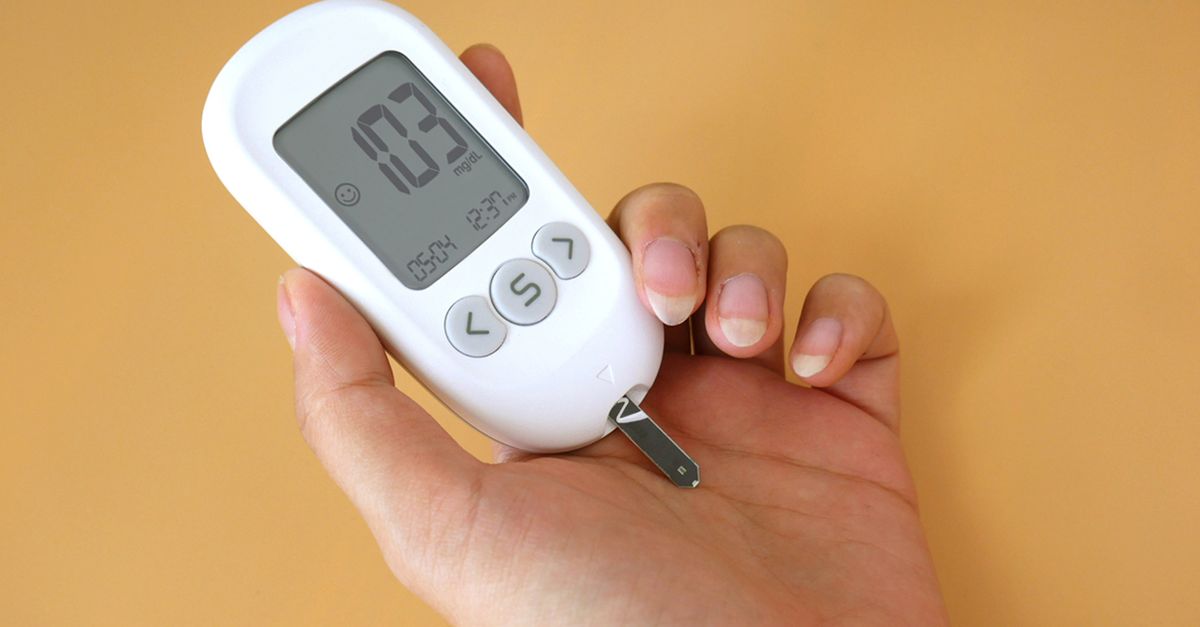
Despite affecting 116 million Americans, high blood pressure often goes unnoticed, posing grave health risks.
Despite affecting nearly half of the adult population in the United States, high blood pressure remains a frequently overlooked condition. According to the Centers for Disease Control and Prevention (CDC), approximately 116 million Americans suffer from hypertension, yet only about one in four have it under control. This silent health threat often goes unnoticed, even as it contributes significantly to heart disease, stroke, and other potentially fatal conditions.
Why Hypertension Often Goes Undetected
High blood pressure is often dubbed the "silent killer" because it typically presents no obvious symptoms until significant damage has occurred. Many individuals may not realize they have hypertension until they experience a serious health event, such as a heart attack or stroke. This lack of awareness is compounded by the fact that routine blood pressure checks are often neglected, particularly among those who do not regularly visit healthcare providers.
The U.S. healthcare system, including entities like the Centers for Medicare & Medicaid Services (CMS) and the Department of Health and Human Services (HHS), has long advocated for regular screenings. However, barriers such as lack of access, cost concerns, and limited awareness about the importance of monitoring can prevent timely diagnosis and treatment.
The Economic and Health Burden
Hypertension imposes a significant economic burden on the U.S. healthcare system. The American Heart Association estimates that high blood pressure costs the nation nearly $131 billion annually in healthcare services, medications, and missed work days. This figure reflects the broader impact of untreated hypertension, which can lead to more severe health problems requiring extensive medical intervention.
Pharmaceutical companies offer a range of antihypertensive medications, yet medication adherence remains a major challenge. Many patients discontinue treatment due to side effects, cost, or a lack of understanding about the importance of maintaining consistent blood pressure control. The Affordable Care Act (ACA) has attempted to address this by expanding access to preventive services, including blood pressure screenings, without patient cost-sharing.
Innovative Strategies to Combat Hypertension
To enhance hypertension awareness and control, innovative strategies are being deployed across the nation. Health technology companies are developing devices that allow individuals to monitor their blood pressure at home, providing real-time data and feedback. These devices are increasingly being integrated with health apps that can communicate directly with healthcare providers, facilitating timely interventions.
Additionally, public health campaigns are being launched to educate Americans about the risks of high blood pressure and the steps they can take to manage it. These campaigns emphasize lifestyle modifications, such as reducing salt intake, maintaining a healthy weight, and increasing physical activity, which are essential components of hypertension management alongside medication.
The Role of Healthcare Providers
Healthcare providers play a crucial role in the early detection and management of hypertension. Regular monitoring and patient education are key strategies used by clinicians to prevent complications associated with high blood pressure. The National Institutes of Health (NIH) supports research into new treatments and preventive measures, which healthcare providers can incorporate into patient care.
Moreover, primary care physicians are encouraged to utilize electronic health records (EHRs) to track and manage patients' blood pressure readings more effectively. This integration can aid in identifying trends and adjusting treatment plans as needed. The use of such technology is supported by federal initiatives aimed at improving healthcare outcomes through digital solutions.
As the medical community continues to combat this pervasive condition, increased awareness and proactive management strategies are essential. Efforts to educate and empower patients, coupled with advances in medical technology, will be crucial in reducing the prevalence and impact of high blood pressure in America.