
The Hidden Dangers of Untreated Thalassemia
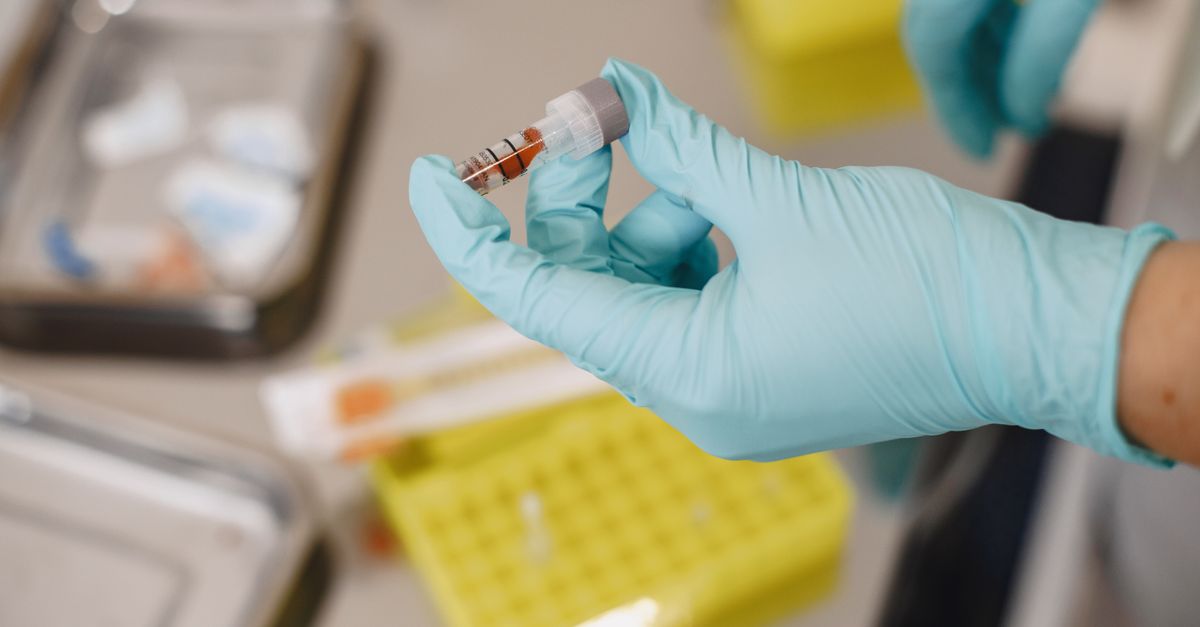
Untreated thalassemia can lead to severe complications affecting multiple organs, necessitating timely intervention.
Thalassemia, a genetic blood disorder characterized by the body’s inability to produce adequate hemoglobin, presents a significant health challenge worldwide. While manageable with proper medical care, untreated thalassemia can lead to severe complications that affect various organs and systems within the body.
Understanding Thalassemia and Its Types
Thalassemia is most prevalent in regions where malaria was historically widespread, such as the Mediterranean, Middle East, and parts of Asia. The condition manifests in two primary forms: alpha thalassemia and beta thalassemia, each with varying degrees of severity. Beta thalassemia major, also known as Cooley’s anemia, is the most severe form and often necessitates regular blood transfusions.
Individuals with thalassemia minor may live normal lives with minor symptoms, but those with major forms require careful management. In cases where thalassemia goes untreated, the consequences can be dire, affecting the heart, liver, and endocrine system.
Cardiac Complications: A Silent Threat
One of the most severe complications of untreated thalassemia is cardiac failure. Excessive iron from frequent blood transfusions can accumulate in the heart, leading to cardiomyopathy—a condition that weakens the heart muscle. This iron overload can cause irregular heartbeats, heart failure, and increased risk of sudden death. According to a study published by the American Journal of Hematology, cardiac issues are a leading cause of mortality in patients with thalassemia major.
Patients often require chelation therapy, which uses medications to remove excess iron from the body. Without this treatment, individuals face a heightened risk of heart complications, underscoring the importance of regular medical monitoring and intervention.
Liver and Endocrine Issues: The Hidden Consequences
Iron overload from untreated thalassemia also severely affects the liver, potentially leading to liver cirrhosis or cancer. The liver, responsible for filtering toxins and producing essential proteins, becomes scarred and loses functionality. This progression can be silent, with symptoms appearing only at advanced stages, making early and consistent treatment crucial.
Furthermore, the endocrine system, which regulates hormones, can be disrupted. Patients may experience delayed puberty, growth retardation, and infertility. The risk of developing diabetes is also increased due to pancreatic damage from iron deposits. Regular endocrine evaluations are vital to manage these risks effectively.
Bone Deformities and Risks of Infections
Thalassemia can cause bone marrow expansion, leading to bone deformities and osteoporosis. Untreated, this can result in fragile bones and increased fracture risk. Facial bone deformities can occur, particularly in the cheeks, forehead, and jaw, affecting both appearance and function.
Additionally, individuals with untreated thalassemia are more susceptible to infections. The spleen, often affected by the disease, plays a crucial role in fighting infections. Its dysfunction or removal (splenectomy) increases vulnerability to bacterial infections, necessitating preventative measures such as vaccinations and prophylactic antibiotics.
The Importance of Early Diagnosis and Treatment
The complications associated with untreated thalassemia highlight the importance of early diagnosis and continuous management. Genetic counseling and prenatal screening can help identify carriers and affected individuals early, allowing for timely interventions.
Treatment typically involves regular blood transfusions to manage anemia and chelation therapy to prevent iron overload. Advances in gene therapy offer hope for a cure, but these treatments are still in development and are not yet widely available.
Raising awareness about thalassemia and its potential complications is crucial. Healthcare providers play a key role in educating patients and families about the importance of adherence to treatment regimens and regular monitoring to prevent life-threatening complications.
As research continues to advance, there is hope for more effective treatments that could reduce the burden of this disease on individuals and healthcare systems worldwide.