
Heatwaves' Hidden Toll: Unveiling Their Impact on Public Health
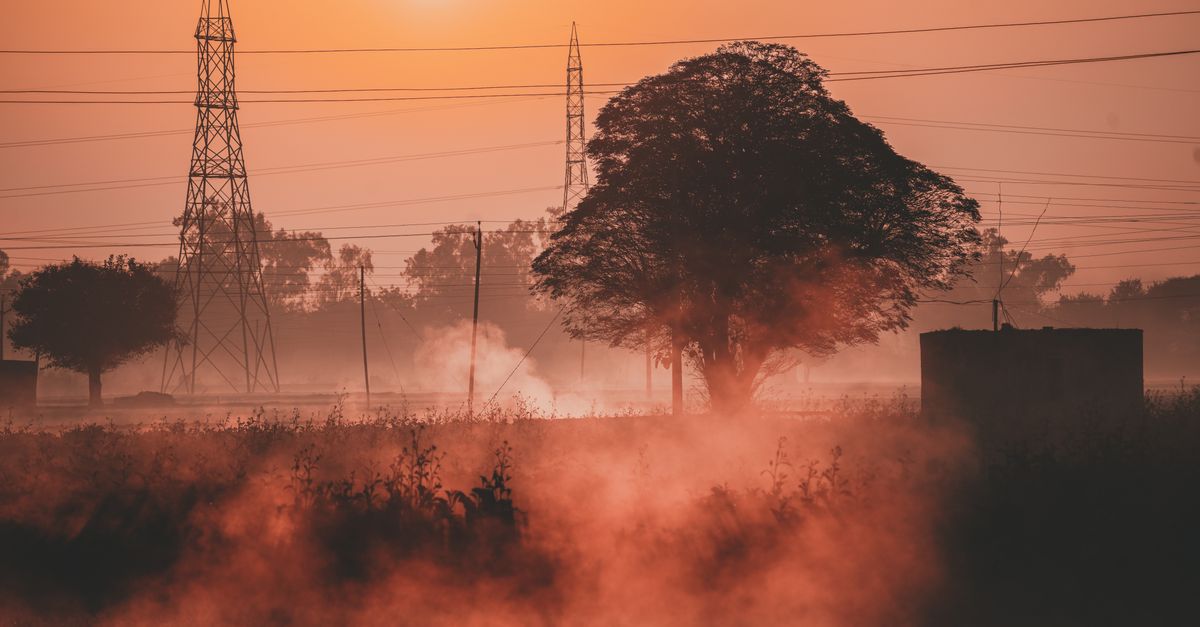
Heatwaves are becoming more intense, posing serious health risks. Explore their impact and the urgent need for adaptive healthcare strategies.
As global temperatures rise, heatwaves are becoming a more frequent and formidable adversary to public health. The summer of 2023 saw unprecedented heat levels across the globe, with countries like Spain, Italy, and the United States experiencing temperatures soaring past 40 degrees Celsius (104 degrees Fahrenheit). These extreme conditions are not just uncomfortable; they are lethal, especially for vulnerable populations.
Why Extreme Heat Is a Growing Concern
Heatwaves are no longer sporadic anomalies but are increasingly being recognized as a major health threat. According to the World Health Organization, over 70,000 deaths were attributed to the 2003 European heatwave alone. Today, the situation is exacerbated by climate change, which has led to more intense heatwaves with longer durations and higher peak temperatures. The elderly, young children, and those with pre-existing medical conditions are at heightened risk during these periods, often resulting in heat-related illnesses such as heatstroke and dehydration.
The Physiological Effects of Heat Exposure
When the human body is exposed to extreme heat, it exerts itself to maintain a stable core temperature. Sweating, the body’s primary cooling mechanism, can lead to rapid dehydration if fluids are not adequately replaced. Dehydration affects the body's ability to regulate temperature and can result in heat exhaustion or, in severe cases, heatstroke. Moreover, excessive heat places a strain on the cardiovascular system, potentially exacerbating heart conditions and increasing the risk of heart attacks. The respiratory system is also affected, as hot air and increased air pollution levels during heatwaves can aggravate respiratory diseases such as asthma.
Public Health Systems Under Pressure
Healthcare systems worldwide are feeling the strain of increased patient loads during heatwaves. Emergency rooms see a spike in admissions for heat-related illnesses, which can quickly overwhelm medical facilities, particularly in regions unaccustomed to extreme temperatures. This surge in demand highlights the need for robust heat action plans that include early warning systems, public education campaigns, and infrastructure improvements such as cooling centers and urban greenery initiatives to mitigate heat absorption.
Socioeconomic Disparities in Heatwave Impact
Heatwaves disproportionately affect low-income communities, where access to air conditioning and healthcare is often limited. Urban areas, with their concrete landscapes, experience the 'urban heat island' effect, which can raise local temperatures significantly higher than those in surrounding rural areas. The lack of green spaces and inadequate housing further compounds the problem, leaving these communities vulnerable to the worst impacts of heatwaves. Addressing these disparities requires targeted public policy and investment to improve living conditions and healthcare access for these populations.
A Call for Adaptive Strategies and Research
As the frequency and severity of heatwaves increase, adaptive strategies are urgently needed. Medical professionals must be trained to recognize and treat heat-related illnesses promptly. Moreover, public health campaigns should focus on educating the public about the dangers of heat exposure and the importance of staying hydrated and cool. Research into long-term solutions, such as urban planning that incorporates more green spaces and reflective materials to reduce heat absorption, is essential in mitigating the impact of future heatwaves.
Looking forward, the collaboration between governments, healthcare providers, and communities will be crucial in developing effective heatwave response strategies. As climate patterns continue to shift, the health sector must adapt to safeguard vulnerable populations and mitigate the hidden toll of rising temperatures.