
Hearing Health in India: Challenges and Opportunities
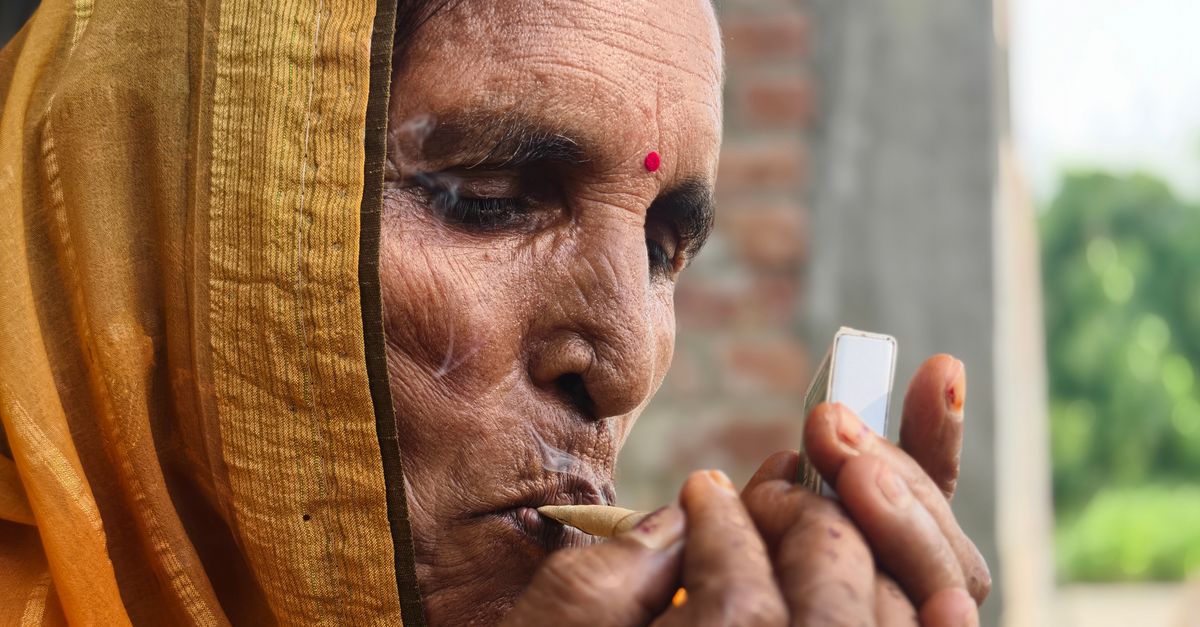
Exploring the state of hearing health in India, including barriers to care and potential solutions.
In a country as vast and diverse as India, hearing health often takes a backseat to more visible health concerns, yet it affects millions. According to the World Health Organization, approximately 6.3% of the Indian population suffers from significant hearing impairment, which amounts to nearly 80 million people. This staggering statistic is compounded by limited access to healthcare facilities and a general lack of awareness about auditory health.
Understanding the Prevalence of Hearing Loss
Hearing loss in India is influenced by a variety of factors, including genetics, infections, and environmental noise. The prevalence is notably higher in rural areas where healthcare infrastructure is sparse. The National Programme for Prevention and Control of Deafness (NPPCD) has been instrumental in identifying and managing hearing impairment in these underserved regions, yet challenges remain.
Studies indicate that hearing loss often goes undiagnosed in India due to a combination of stigma and insufficient screening programs. Many individuals do not seek treatment until the condition severely impacts their quality of life. The lack of routine audiometric screening especially in schools and workplaces further exacerbates the issue.
Barriers to Effective Care
One of the primary barriers to effective hearing healthcare in India is cost. Hearing aids and cochlear implants, while available, are financially out of reach for many. The majority of those affected by hearing impairment belong to lower socioeconomic groups, for whom the cost of hearing devices is prohibitive.
Additionally, there is a significant shortage of trained audiologists and hearing care professionals. According to a report by the Indian Journal of Otology, the ratio of audiologists to the population is alarmingly low, making it difficult for individuals to access expert care. This shortage is particularly acute in rural areas, where the need for services is greatest.
Government Initiatives and Technological Solutions
In recent years, the Indian government has taken steps to address these challenges through the NPPCD, which aims to reduce the burden of hearing loss by integrating services into the existing healthcare system. The program focuses on early detection, intervention, and public awareness campaigns to educate the population about the importance of hearing health.
Technological advancements also offer promising solutions. Innovations in telemedicine and mobile health applications are being explored to bridge the gap between urban and rural healthcare facilities. Mobile apps that screen for hearing issues and provide basic audiological assessments have the potential to revolutionize access to care.
The Role of Public Awareness and Education
Public awareness is critical in changing perceptions and reducing stigma associated with hearing impairment. Educational campaigns targeting schools and workplaces can play a pivotal role in promoting early detection and treatment. Collaborations with media outlets and influencers can help disseminate information effectively, reaching a wider audience.
Moreover, integrating hearing health education into school curricula can help identify at-risk children and provide timely interventions. Creating a culture of awareness around hearing health could significantly reduce the long-term impact of untreated hearing loss.
Looking Ahead: The Path to Better Hearing Health
Addressing hearing health in India requires a multi-faceted approach that combines government initiatives, technological innovation, and public engagement. As awareness grows and technology evolves, there is hope for a future where hearing health is given the priority it deserves. "The key to progress lies in collaboration," says a leading audiologist. "By working together, we can improve access to care and enhance the quality of life for millions."