
Healthcare Workforce Shortages in Detroit: Hospitals Struggle for Staff
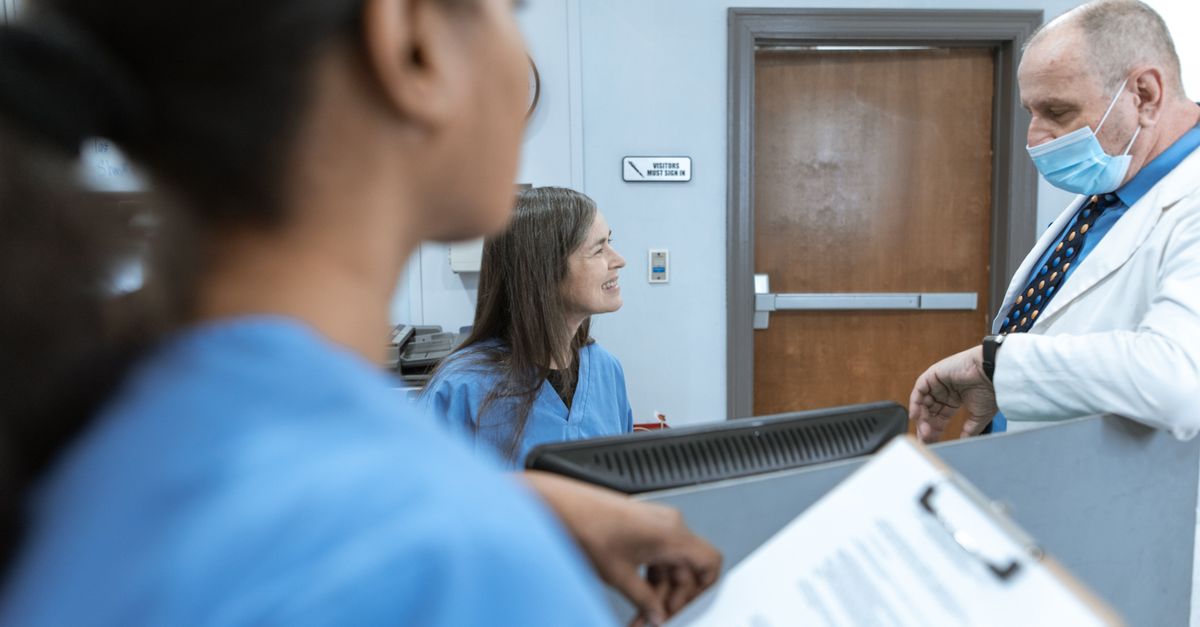
Detroit hospitals face severe staffing challenges, impacting patient care and operational efficiency, with a pressing need for sustainable solutions.
As America's healthcare system grapples with the fallout from the COVID-19 pandemic, Detroit’s hospitals are encountering unprecedented workforce shortages. With a population exceeding 670,000, this metropolis known for its resilience is now facing a critical shortage of healthcare professionals, from nurses to specialized technicians. The situation is exacerbating already strained resources and compromising patient care.
The Pandemic's Lasting Impact
The COVID-19 pandemic has left an indelible mark on the healthcare sector nationwide, but its impact on Detroit has been particularly severe. During the height of the crisis, many healthcare workers faced burnout, leading to a wave of early retirements and career changes. The American Nurses Association reports that the nation could face a shortage of over one million nurses by 2023, and Detroit is already feeling these effects acutely.
This shortage is not limited to nursing staff. Hospitals across the city report difficulties filling positions for respiratory therapists, lab technicians, and other critical roles. The shortage is driving up labor costs, as hospitals are forced to rely on expensive temporary staffing solutions. This reliance further strains hospital budgets, already hit hard by the pandemic.
Economic and Demographic Challenges
Detroit's economic landscape presents unique challenges in attracting and retaining healthcare workers. Historically, the city has faced economic hardships, which have impacted its ability to offer competitive salaries compared to neighboring regions. Moreover, Detroit's population is aging, increasing demand for healthcare services while simultaneously reducing the available workforce.
According to the U.S. Census Bureau, roughly 14% of Detroit's population is over the age of 65, a demographic that typically requires more intensive medical care. This demographic shift, combined with workforce shortages, places immense pressure on existing healthcare facilities.
Regulatory and Institutional Responses
In response to these challenges, Detroit hospitals are exploring various strategies to mitigate staffing shortages. Some institutions are advocating for policy changes at the state and federal levels to make it easier for foreign-trained professionals to enter the workforce. Others are investing in training programs aimed at fast-tracking the certification process for local residents seeking careers in healthcare.
Moreover, the Centers for Medicare & Medicaid Services (CMS) are being urged to reconsider reimbursement policies that could help hospitals better manage increased labor costs. Enhanced funding through Medicare and Medicaid could provide immediate relief, allowing hospitals to offer more competitive salaries and benefits.
Innovative Approaches to Recruitment
Some hospitals in Detroit are turning to innovative recruitment strategies to attract talent. Henry Ford Health System, for instance, has launched initiatives targeting high school and college students, offering scholarships and guaranteed employment upon graduation. Such programs aim to build a pipeline of future healthcare workers, addressing long-term shortages.
Additionally, partnerships with local community colleges and universities are being strengthened to create direct pathways into healthcare careers. By investing in education and providing clear career trajectories, Detroit hospitals hope to cultivate a new generation of healthcare professionals committed to serving their community.
The Road Ahead
The challenges faced by Detroit's healthcare system are indicative of broader national trends that require comprehensive solutions. Healthcare institutions must not only address immediate staffing shortages but also build sustainable models for the future. This includes rethinking recruitment, training, and retention strategies to adapt to changing demographic and economic realities.
As one hospital administrator puts it, "Our goal is to ensure that every Detroiter has access to quality healthcare. To achieve this, we need a dedicated workforce that reflects the diversity and resilience of our city." The focus now shifts to actionable solutions that not only address current shortages but also fortify the system against future crises.