
Health Data: India's Emerging Healthcare Goldmine
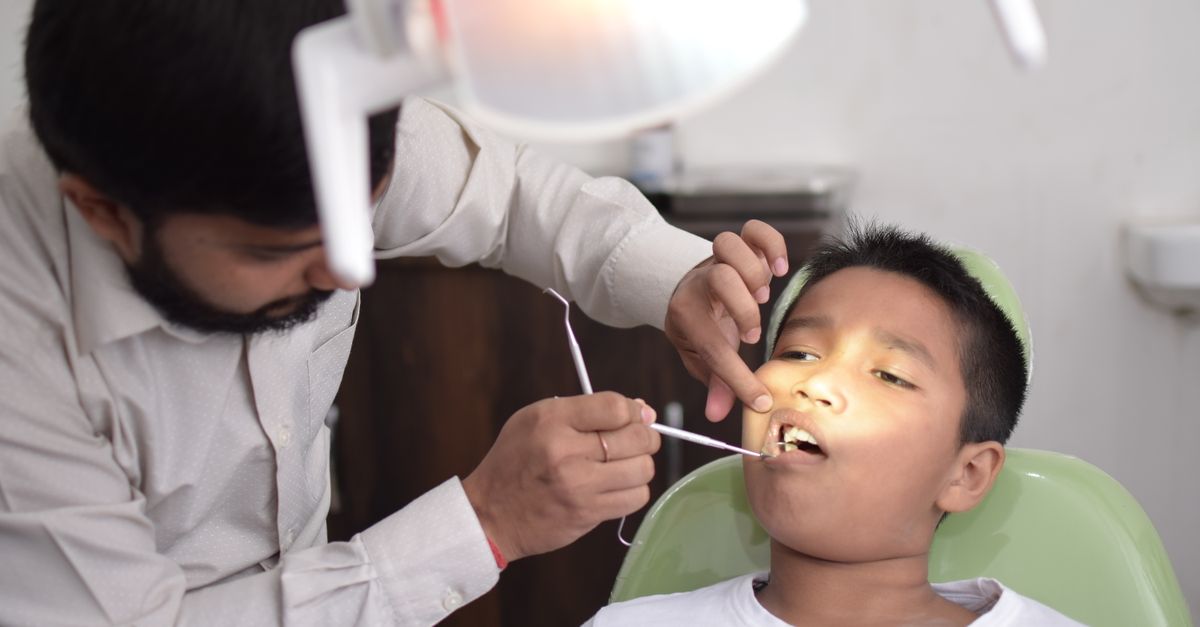
India's health data, if harnessed effectively, could revolutionize healthcare delivery and outcomes.
India stands on the brink of a healthcare transformation, driven not by new drugs or technologies, but by the vast amounts of health data generated daily across its population of over 1.4 billion. As digital health records, wearable technology, and mobile health apps proliferate, the volume of health data is escalating at an unprecedented pace. This surge in data, if managed and utilized effectively, holds the potential to drastically improve healthcare delivery and outcomes in India.
The Digital Health Data Explosion
The National Digital Health Mission (NDHM), launched by the Indian government in 2020, aims to create a digital health ecosystem, with the potential to transform how health data is collected, stored, and utilized. The mission's goal is to provide every Indian citizen with a unique Health ID, digitize health records, and make them accessible through a secure digital infrastructure. This initiative is expected to not only streamline healthcare processes but also enable data-driven decision-making for individuals and healthcare providers.
Furthermore, the proliferation of smartphones and internet connectivity has led to a surge in health-related apps and devices. From fitness trackers to telemedicine platforms, these technologies generate a wealth of data on users' health patterns, activities, and outcomes. This data, when aggregated and analyzed, can provide invaluable insights into population health trends and risk factors.
Opportunities for Personalized Healthcare
One of the most promising applications of health data is in the realm of personalized healthcare. With the ability to analyze vast datasets, healthcare providers can tailor treatments and interventions to individual needs, improving outcomes and reducing costs. For instance, predictive analytics can identify patients at risk of developing chronic conditions, enabling early interventions that could prevent disease progression.
Moreover, personalized healthcare can lead to more effective use of resources. By focusing on prevention and early intervention, the healthcare system can reduce the burden of chronic diseases, which account for a significant portion of healthcare expenditures in India. This approach not only benefits patients but also alleviates pressure on the healthcare infrastructure.
Challenges in Data Utilization
Despite the potential benefits, the effective utilization of health data in India faces significant challenges. Data privacy and security are paramount concerns, as sensitive health information must be protected against unauthorized access and breaches. The implementation of robust data protection regulations, such as the Personal Data Protection Bill, is crucial to ensure that health data is used responsibly and ethically.
Additionally, the quality and interoperability of health data remain issues. Data collected from various sources must be standardized and integrated to be useful. The lack of uniform data standards across healthcare providers can hinder seamless data exchange and analysis. Efforts to establish common data standards and interoperability protocols are essential to unlock the full potential of health data.
The Role of Policy and Innovation
Policy frameworks and innovation will play a pivotal role in shaping the future of health data utilization in India. Government initiatives like NDHM need to be complemented by policies that promote innovation and collaboration among stakeholders, including public and private entities, academia, and technology companies.
Innovative solutions are also necessary to address the challenges of data quality and security. Startups and tech companies are already exploring blockchain technologies for secure data exchange and machine learning algorithms to enhance data analytics. These innovations, coupled with supportive policies, can pave the way for a more data-driven healthcare system.
As India continues to navigate the digital health landscape, the effective utilization of health data could redefine healthcare delivery and outcomes. The journey requires a concerted effort from all sectors to ensure that the potential of this valuable asset is fully realized.