
Haryana Chirayu Ayushman Bharat Scheme 2026 reforms
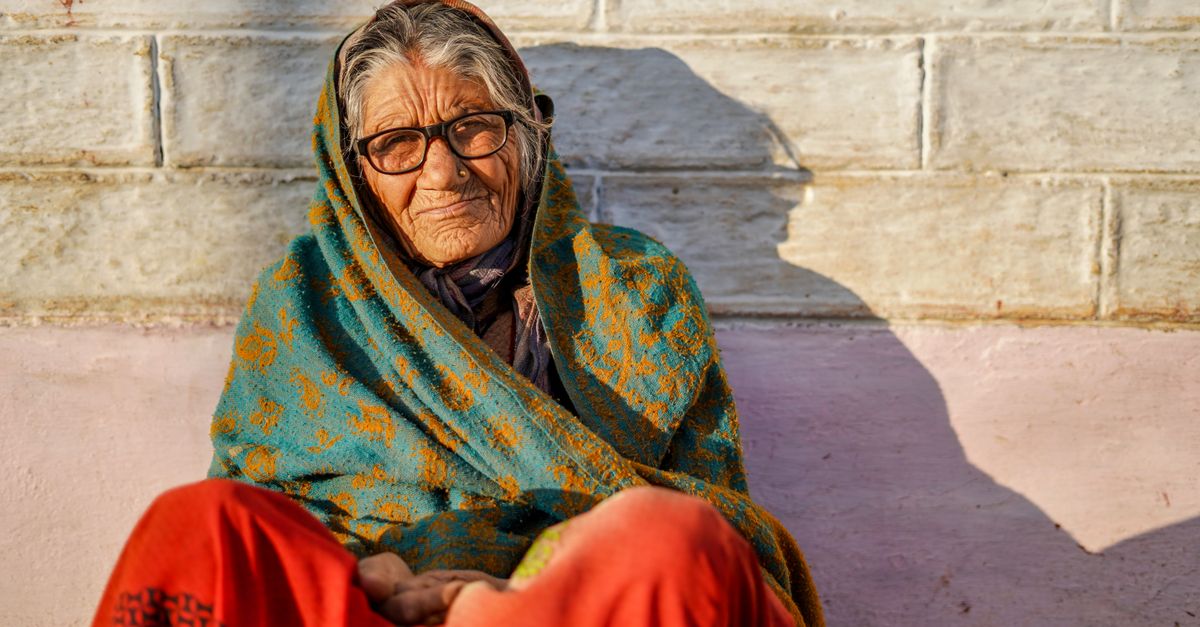
Haryana's Chirayu Scheme reforms aim to enhance healthcare access.
The Haryana Chirayu Ayushman Bharat Scheme 2026 represents a pivotal shift in how healthcare is delivered and managed in the state. Launched as an extension of the national Ayushman Bharat initiative, the 2026 version of the scheme aims to enhance the accessibility and quality of healthcare services for residents of Haryana. This article explores the key reforms introduced under the scheme, as well as how these changes are set to enhance healthcare access for the population.
Key Reforms in Haryana's Chirayu Ayushman Bharat Scheme 2026
The Chirayu Ayushman Bharat Scheme 2026 has introduced several significant reforms aimed at streamlining healthcare delivery. One of the primary reforms includes the expansion of coverage to include a wider range of medical conditions, enabling beneficiaries to access comprehensive healthcare services without financial burden. This extension ensures that families can avail themselves of necessary treatments, surgeries, and consultations that were previously not covered.
Another major reform is the integration of digital health technologies into the scheme. By employing digital platforms, the scheme aims to enhance transparency and efficiency in service delivery. Patients can now track their claims, appointments, and treatment histories through a user-friendly app, thereby fostering better communication between healthcare providers and beneficiaries. This shift towards digitalization is expected to reduce waiting times and improve overall patient satisfaction.
Additionally, the scheme has revamped its network of empaneled hospitals by including more private and public facilities. This is aimed at improving access to quality healthcare services, especially in rural and underserved areas of Haryana. The inclusion of more hospitals ensures that beneficiaries have a larger pool of healthcare options, thus reducing overcrowding in existing facilities and promoting timely medical intervention.
Enhancing Healthcare Access Through New Policy Initiatives
To further enhance healthcare access, the Haryana government has launched several policy initiatives in conjunction with the Chirayu Ayushman Bharat Scheme 2026. One of these initiatives focuses on increasing the number of healthcare professionals in the state, particularly in rural regions. By offering incentives such as loan waivers and housing benefits, the government aims to attract more doctors and medical staff to serve in these areas. This initiative is crucial for addressing the current imbalance in healthcare resources and ensuring that all citizens receive adequate medical attention.
Moreover, the 2026 reforms emphasize preventive healthcare through public awareness campaigns. These campaigns aim to educate residents about common health issues, preventive measures, and the importance of regular health check-ups. By fostering a culture of preventive healthcare, the initiative not only aims to reduce the incidence of diseases but also encourages individuals to take charge of their health and well-being.
Lastly, the introduction of a grievance redressal mechanism within the scheme is designed to empower beneficiaries. This mechanism allows patients to voice their concerns and seek resolutions for issues related to service delivery. By addressing complaints effectively, the Haryana government hopes to build trust and confidence among residents, ensuring that they feel supported and valued within the healthcare system.
The Haryana Chirayu Ayushman Bharat Scheme 2026 brings forth essential reforms that aim to transform the healthcare landscape in the state. Through expanded coverage, the integration of digital technologies, and various policy initiatives, the scheme strives to enhance healthcare access and quality for all residents. As these reforms take effect, they have the potential to significantly improve health outcomes in Haryana, making healthcare more equitable and accessible for everyone. The ongoing evaluation and adaptation of these initiatives will be crucial for their success in the long term.