
Harnessing Technology to Bridge the Gap in Women's Healthcare Access
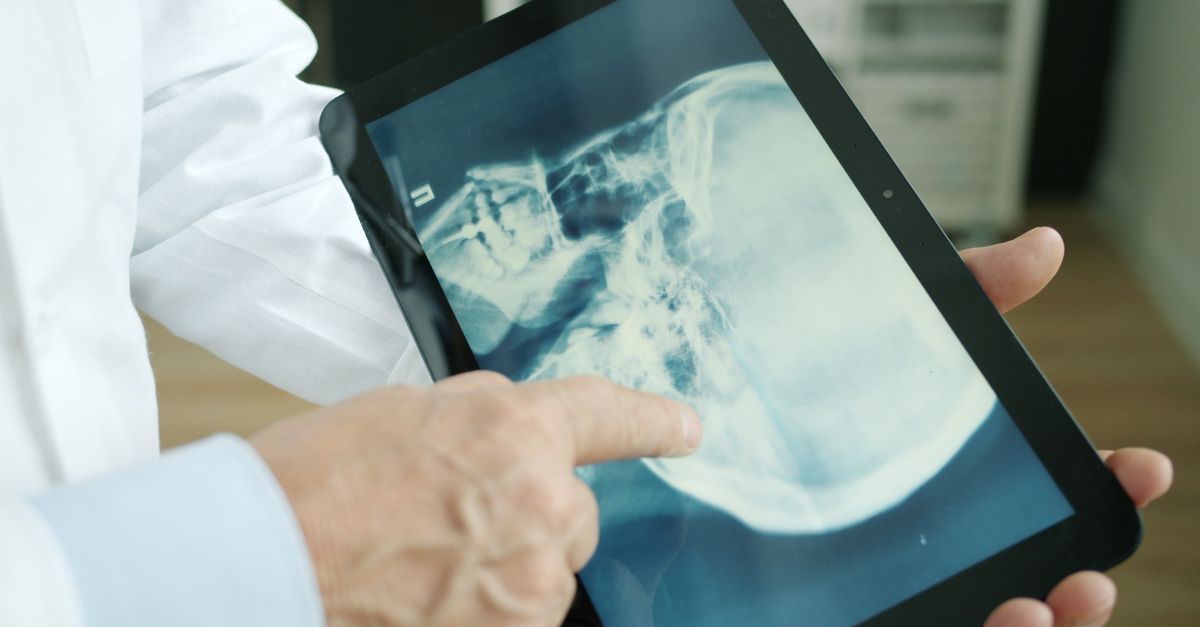
Technology is poised to revolutionize women's healthcare by enhancing access and personalized care, addressing long-standing disparities.
In a world where technology permeates nearly every aspect of daily life, its potential to transform women's healthcare is substantial yet often underexplored. With digital tools becoming more sophisticated, they offer promising solutions for long-standing access issues faced by women globally. From telemedicine to artificial intelligence, technology is reshaping how women receive and manage healthcare, potentially narrowing the gap in services and outcomes.
The Promise of Telemedicine for Women
Telemedicine has emerged as a vital tool in overcoming geographical barriers that many women face when seeking medical care. In rural areas, where healthcare facilities are sparse and specialists scarce, telemedicine provides a lifeline. According to the American College of Obstetricians and Gynecologists, telehealth can significantly improve prenatal and postpartum care, which is crucial for maternal health outcomes.
Furthermore, telemedicine offers a level of privacy and convenience that is particularly beneficial for women seeking treatment for sensitive health issues, such as reproductive health or mental health concerns. By providing access to specialists without the need for travel, telemedicine empowers women to seek timely advice and interventions.
Mobile Health Apps and Personalized Care
The proliferation of mobile health applications has opened new avenues for women to take control of their health. Apps focused on menstrual health, fertility tracking, and pregnancy offer personalized data-driven insights that were previously unavailable. For instance, platforms like Clue and Flo use data analytics to help women understand their menstrual cycles better, offering predictions and health tips tailored to individual health needs.
These applications not only educate but also foster a proactive approach to health management. By tracking symptoms and health changes over time, women can present more complete health information to their providers, enabling more accurate diagnoses and personalized treatment plans.
Artificial Intelligence in Women's Health
Artificial intelligence (AI) is another frontier with the potential to revolutionize women's healthcare. AI-driven diagnostic tools can analyze vast amounts of data quickly and accurately, aiding in the early detection of conditions like breast cancer. In fact, a study published in 'The Lancet Digital Health' revealed that AI models could match or exceed the accuracy of expert radiologists in mammogram analysis.
Moreover, AI can personalize healthcare recommendations by learning from individual health records and lifestyle data. This personalized approach not only improves outcomes but also enhances patient satisfaction by aligning treatment plans with patients' unique needs and circumstances.
Addressing Healthcare Disparities
While technology holds great promise, it's important to acknowledge and address the digital divide that could exacerbate existing healthcare disparities. Access to technology is not uniform, and issues such as internet connectivity, digital literacy, and affordability can limit the benefits of health tech solutions for some women.
To make technological advancements in healthcare inclusive, policymakers and healthcare providers must invest in infrastructure and education. Initiatives that provide affordable internet access and digital literacy programs are crucial steps toward ensuring that all women can benefit from technological advancements in healthcare.
Looking to the Future
The integration of technology in women's healthcare is not without its challenges, but the potential benefits are immense. As healthcare systems worldwide continue to embrace digital solutions, it is essential to focus on inclusive strategies that ensure equitable access for all women. By addressing the barriers to technology access, we can move closer to a future where every woman has the opportunity to receive the care she needs, when and where she needs it.