
Harnessing Predictive Analytics to Avert Future Health Crises
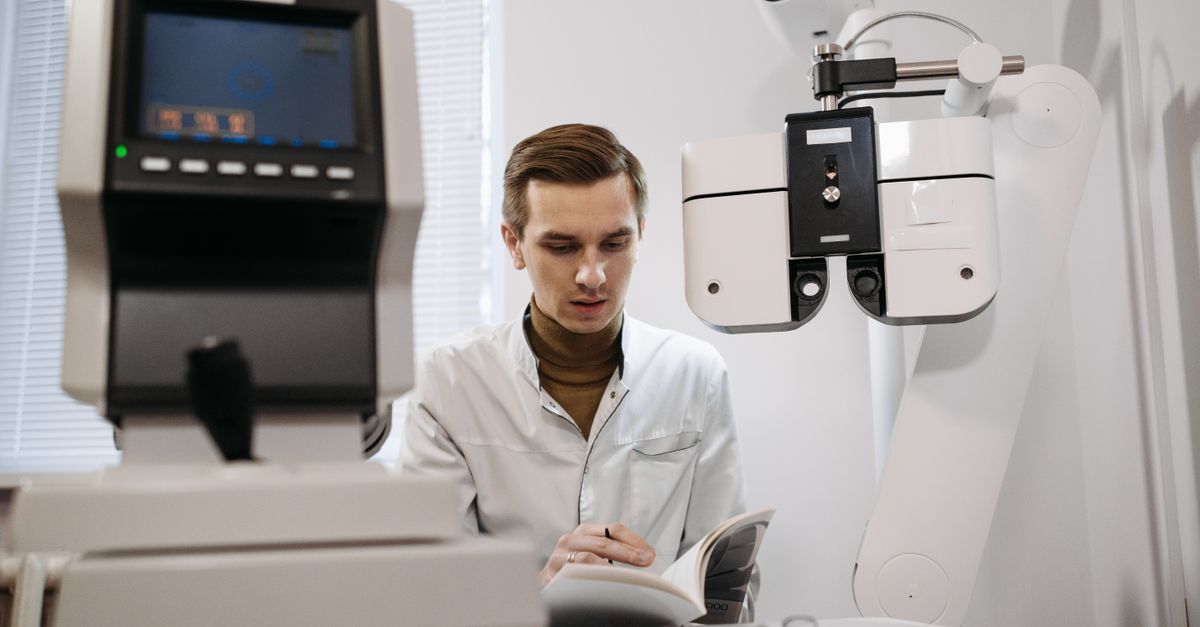
Predictive analytics holds the potential to prevent health crises by identifying risks early and enabling proactive interventions.
Understanding Predictive Analytics in Healthcare
Predictive analytics involves the use of data, statistical algorithms, and machine learning techniques to identify the likelihood of future outcomes based on historical data. In the context of healthcare, this means analyzing patient data, disease patterns, and various health-related metrics to anticipate potential crises and intervene before they escalate.
The healthcare industry is inundated with data from electronic health records (EHRs), wearable devices, and other digital sources. Predictive analytics leverages this wealth of information to forecast trends and outcomes, enabling healthcare professionals to make informed decisions. By identifying patterns and correlations, predictive models can foresee potential outbreaks, identify at-risk populations, and recommend preventive measures.
Early Detection and Prevention
One of the most significant advantages of predictive analytics is its ability to detect health threats early. For instance, during the COVID-19 pandemic, predictive models were used to track the spread of the virus and forecast its impact on healthcare systems. By anticipating surges in cases and hospitalizations, healthcare facilities could allocate resources more effectively, ensuring that patients received timely care.
Moreover, predictive analytics can identify individuals at high risk for chronic diseases like diabetes or heart disease. By analyzing data from EHRs, lifestyle factors, and genetic information, healthcare providers can develop personalized prevention strategies. This proactive approach not only improves patient outcomes but also reduces the overall burden on healthcare systems.
Resource Allocation and Management
Predictive analytics plays a crucial role in optimizing resource allocation within healthcare facilities. By forecasting patient admissions and treatment demands, hospitals can better manage their workforce, bed availability, and medical supplies. This foresight is particularly vital during health crises, where resources are often stretched thin.
For example, during flu seasons, predictive models can estimate the number of expected cases, enabling hospitals to prepare adequately. This preparation ensures that healthcare providers can manage increased patient loads without compromising the quality of care. Additionally, predictive analytics can help in managing vaccine distribution by identifying regions or populations with the highest need.
Enhancing Public Health Strategies
At a broader level, predictive analytics supports public health agencies in formulating effective strategies to combat health crises. By analyzing epidemiological data, these agencies can discern patterns that might indicate a looming threat. This capability was instrumental in tracking the progression of the Ebola outbreak and implementing containment measures.
Furthermore, predictive models can evaluate the potential impact of public health interventions, such as vaccination campaigns or social distancing measures. By simulating different scenarios, policymakers can choose the most effective strategies to mitigate the spread of diseases, thereby preventing crises before they occur.
Challenges and Ethical Considerations
While predictive analytics offers immense potential, it is not without challenges. Data privacy and security are significant concerns, particularly when dealing with sensitive health information. Ensuring compliance with regulations such as the Health Insurance Portability and Accountability Act (HIPAA) is crucial to maintain trust and protect patient data.
Additionally, the accuracy of predictive models depends on the quality of data and the algorithms used. Biases in data collection or model design can lead to incorrect predictions, with potentially harmful consequences. Therefore, continuous validation and refinement of predictive models are essential to ensure their reliability.
Conclusion
The ability to predict and prevent health crises is a game-changer for the healthcare industry. By harnessing the power of predictive analytics, healthcare providers and public health officials can anticipate and mitigate potential threats, ultimately safeguarding public health. However, it is imperative to address the challenges associated with data privacy and model accuracy to fully realize the benefits of this technology. As predictive analytics continues to evolve, it promises to be a cornerstone of modern healthcare, paving the way for a more resilient and responsive health system.