
Harnessing Mosquitoes: A Novel Approach to Combat Malaria
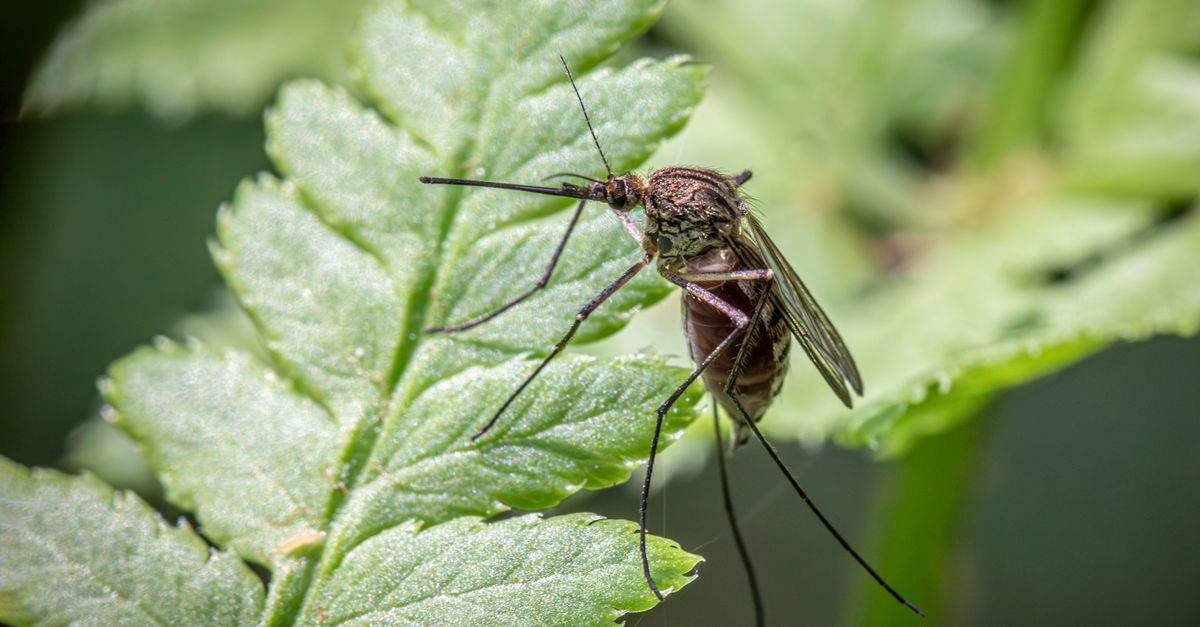
Researchers explore using mosquitoes to fight malaria, aiming to transform these insects from vectors to allies in eradication efforts.
In an unexpected twist in the fight against malaria, scientists are investigating the potential of turning mosquitoes, traditionally known as disease carriers, into allies in disease prevention. This innovative approach could revolutionize how malaria is tackled globally, especially in regions heavily burdened by the disease.
Transforming Mosquitoes from Vectors to Allies
Researchers at the Walter and Eliza Hall Institute (WEHI) are exploring genetic modifications in mosquitoes that could inhibit the transmission of malaria. By altering the genetic makeup of these insects, scientists aim to render them incapable of transmitting the parasite responsible for the disease. This method could potentially reduce malaria cases significantly, offering a new avenue for public health interventions.
The concept involves the introduction of genes into mosquito populations that either kill the malaria parasite or prevent it from developing within the mosquito's gut. This approach is still in the experimental phase but holds promise as a sustainable solution to controlling malaria without relying solely on traditional methods like insecticides and bed nets.
Challenges and Ethical Considerations
While the potential benefits are significant, the idea of genetically modifying mosquitoes raises various ethical and ecological concerns. Critics argue that releasing genetically altered organisms into the wild could have unforeseen consequences on ecosystems. Therefore, rigorous testing and regulatory oversight are essential to ensure safety and efficacy.
Moreover, the success of this technique would require widespread public acceptance and cooperation, particularly in regions where malaria is endemic. Education campaigns and transparent communication about the risks and benefits of using genetically modified mosquitoes will be crucial in gaining community support.
A Complementary Strategy in Malaria Eradication
The use of genetically modified mosquitoes is not intended to replace existing malaria control measures but rather to complement them. Current strategies, such as insecticide-treated bed nets, antimalarial drugs, and indoor residual spraying, have been effective but face challenges like resistance development. The integration of genetically modified mosquitoes could enhance these efforts, contributing to a comprehensive strategy against malaria.
As research progresses, collaboration between scientists, governments, and local communities will be vital to address the technical, ethical, and social challenges associated with this approach. If successful, this strategy could mark a significant milestone in the global fight against malaria, transforming an ancient scourge into a manageable public health issue.