
Harnessing Data Analytics to Transform Healthcare Loyalty Strategies
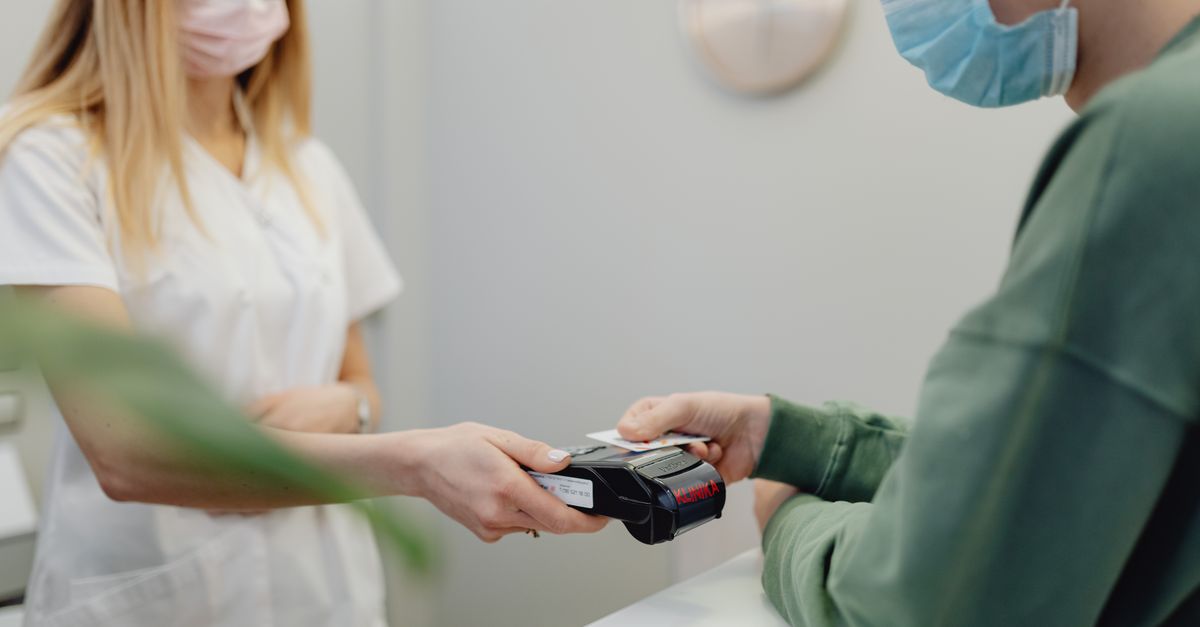
Data analytics is reshaping healthcare loyalty programs, driving patient engagement through personalized experiences.
As healthcare providers seek to strengthen patient engagement and retention, data analytics has emerged as a critical tool in crafting effective loyalty strategies. By leveraging vast amounts of patient data, healthcare organizations can create more personalized experiences that resonate with patients, fostering deeper loyalty and improving overall satisfaction.
Understanding Patient Behavior through Data
The cornerstone of any successful loyalty program is a deep understanding of patient behavior. Data analytics allows healthcare providers to gain insights into patient preferences, needs, and habits by analyzing various data sources such as electronic health records (EHRs), patient surveys, and social media interactions. For instance, a hospital could use these insights to identify which services are most valued by patients, and tailor their offerings accordingly.
Moreover, predictive analytics can forecast future patient behaviors and trends, enabling healthcare organizations to anticipate shifts in patient needs and adjust their loyalty programs proactively. This forward-thinking approach not only enhances patient satisfaction but also helps in optimizing resource allocation.
Personalization: The Key to Effective Loyalty Programs
Personalization is at the heart of modern healthcare loyalty strategies. By utilizing data analytics, providers can offer customized health recommendations, reminders for check-ups, and personalized communication that speaks directly to individual patient circumstances. For example, a diabetic patient could receive tailored advice on managing their condition, along with reminders for regular blood sugar monitoring and medication refills.
These personalized interactions build trust and make patients feel valued, ultimately leading to greater loyalty. According to a survey by Accenture, 44% of patients indicate that personalized healthcare services significantly affect their provider choice.
Enhancing Patient Engagement with Technology
Technology plays a pivotal role in enhancing patient engagement through data-driven loyalty programs. Mobile apps, patient portals, and wearable devices are increasingly being used to collect real-time data and provide patients with instant feedback on their health. Such tools not only empower patients to take charge of their health but also provide healthcare providers with a wealth of data to refine their loyalty strategies.
For instance, wearable devices can track a patient's physical activity, heart rate, and sleep patterns. This data can be analyzed to offer personalized tips for improving health outcomes, while also rewarding patients for reaching specific health goals, thus encouraging continued engagement.
Challenges and Considerations
While data analytics offers promising opportunities for enhancing healthcare loyalty strategies, it also presents several challenges. Data privacy and security remain top concerns, as healthcare data is highly sensitive. Providers must ensure compliance with regulations such as the Health Insurance Portability and Accountability Act (HIPAA) to protect patient information.
Moreover, the integration of disparate data systems can be complex, requiring significant investment in technology and skilled personnel. Healthcare organizations must also be cautious not to overwhelm patients with excessive communication, which can lead to disengagement.
The Future of Healthcare Loyalty Programs
As data analytics continues to evolve, healthcare loyalty programs are set to become more sophisticated and effective. The integration of artificial intelligence and machine learning will further enhance the ability to personalize patient interactions and predict future needs with greater accuracy.
Looking ahead, healthcare organizations that successfully harness the power of data analytics will not only improve patient loyalty but also set new standards for patient care. As one industry expert notes, "The future of healthcare loyalty lies in the ability to understand and anticipate patient needs, delivering value in ways that truly matter to individuals."