
Hair regrowth after alopecia areata
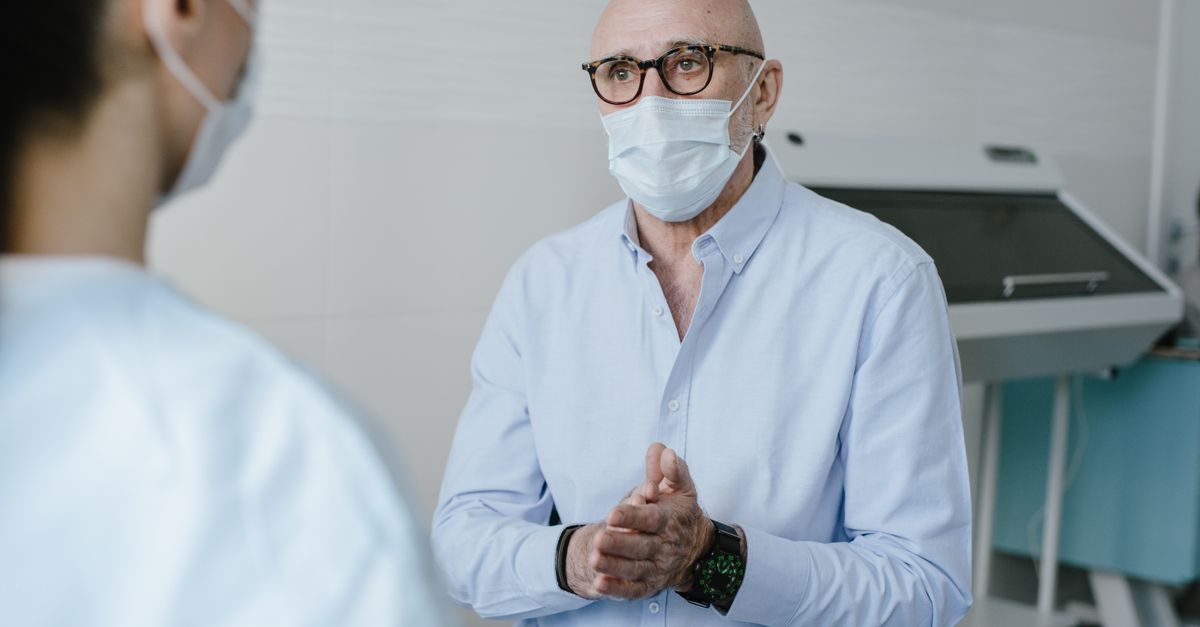
Exploring effective strategies for hair regrowth post-alopecia areata.
Alopecia areata is an autoimmune condition characterized by sudden, patchy hair loss that can affect individuals of all ages. While the exact cause of alopecia areata remains unclear, it is believed to arise when the immune system mistakenly attacks hair follicles. This condition can have significant psychosocial effects on those affected, leading to anxiety, low self-esteem, and social withdrawal. Understanding the nature of alopecia areata and exploring effective strategies for hair regrowth can provide hope and options for individuals seeking to restore their hair and confidence.
Understanding Alopecia Areata and Its Impact on Hair Growth
Alopecia areata is classified as an autoimmune disorder where the body’s immune system attacks its own hair follicles. Typically, this results in hair loss in small, round patches, although it can escalate to total scalp or body hair loss, known as alopecia totalis or alopecia universalis, respectively. The unpredictable nature of this condition often leads to emotional distress, as individuals deal with the visibility of their hair loss and the stigma that can accompany it.
The psychological impact of alopecia areata is profound. Many individuals experience feelings of embarrassment or anxiety, leading to social withdrawal or avoidance of situations where their hair loss may be noticeable. The stigma associated with hair loss can exacerbate these feelings, making it vital for support systems, including friends, family, and professional counseling, to be in place. Understanding these emotional consequences is essential for developing a holistic approach to treatment and management.
While hair regrowth is possible for many individuals with alopecia areata, it often comes with uncertainty. Some may experience spontaneous regrowth without intervention, while others may require various treatments. The inconsistency of outcomes can lead to frustration, emphasizing the importance of ongoing research and individualized care approaches to address this condition effectively.
Effective Strategies for Promoting Hair Regrowth After Alopecia
Though there is no one-size-fits-all solution for hair regrowth after alopecia areata, several strategies have shown promise. One of the most common treatments involves topical corticosteroids, which aim to reduce inflammation in the hair follicles. In some cases, dermatologists may recommend intralesional corticosteroid injections, which can stimulate hair regrowth in localized areas. However, responses to these treatments can vary significantly among individuals, necessitating regular follow-ups and adjustments to therapy.
Another approach is the use of immunotherapy, where substances that provoke an allergic reaction are applied to the scalp. This treatment aims to shift the immune response, encouraging hair regrowth. Studies have shown that individuals with alopecia areata may respond well to this technique, although it requires commitment and patience, as results may take several months to appear.
In addition to medical treatments, lifestyle factors play a role in promoting hair regrowth. Nutritional support, including a balanced diet rich in vitamins and minerals essential for hair health, can complement treatment efforts. Stress management techniques, such as yoga and meditation, may also help mitigate the impact of stress on the immune system. Consulting with healthcare professionals, including dermatologists and nutritionists, can help individuals create a comprehensive plan tailored to their specific needs.
Understanding alopecia areata and the strategies for promoting hair regrowth can empower individuals facing this challenging condition. While the journey to restored hair may be fraught with uncertainty, ongoing advancements in research and treatment options offer hope. By fostering a supportive environment and exploring various therapeutic avenues, those affected can take proactive steps toward reclaiming their hair and, ultimately, their confidence. As always, it is crucial to consult qualified healthcare professionals to navigate this complex landscape effectively.