
Hair loss due to anxiety and depression
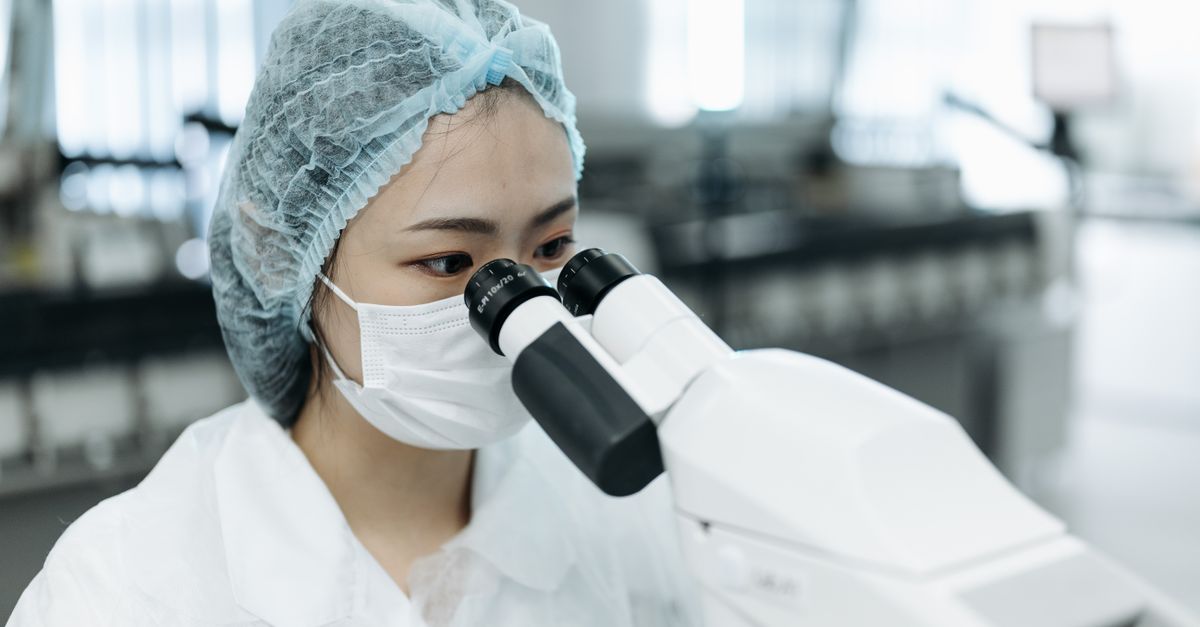
Anxiety and depression can significantly impact hair health.
Hair loss can be a distressing experience, impacting self-esteem and mental health. In the context of anxiety and depression, this issue becomes even more complex. As mental health conditions affect various bodily systems, they can lead to physical manifestations such as hair loss. Understanding the relationship between emotional well-being and hair health is crucial for both individuals experiencing these challenges and healthcare professionals supporting them.
Understanding the Link Between Anxiety, Depression, and Hair Loss
The connection between mental health and physical symptoms is well-documented. Anxiety and depression can trigger a range of physiological responses in the body, including hair loss. Conditions like telogen effluvium, a temporary form of hair loss, can occur when stress levels spike due to anxiety or depressive episodes. Hormonal fluctuations, often exacerbated by mental health disorders, can disrupt the normal hair growth cycle, leading to increased shedding.
Research suggests that cortisol, the stress hormone, plays a key role in hair health. Prolonged elevated levels of cortisol can push hair follicles into a dormant phase, resulting in thinning and shedding. A study published in the International Journal of Dermatology indicated that individuals with anxiety disorders were significantly more likely to experience hair loss than those without such conditions. This physiological reaction underscores the importance of addressing mental health issues not only for emotional well-being but also for physical manifestations like hair loss.
Moreover, the psychological impact of hair loss itself can exacerbate existing anxiety or depression, creating a cyclical pattern that is difficult to break. Individuals experiencing hair loss may feel an increased sense of self-consciousness, leading to social withdrawal or further mental health decline. This interplay serves as a reminder of the holistic nature of health and the need for comprehensive approaches to treatment.
Strategies to Manage Stress and Reduce Hair Loss Effects
Managing stress is crucial for mitigating the effects of anxiety and depression on hair health. One effective approach is cognitive-behavioral therapy (CBT), which helps individuals identify and alter negative thought patterns that contribute to stress. By fostering healthier coping strategies, CBT can reduce anxiety levels and, in turn, positively affect physical symptoms like hair loss. Mental health professionals may also recommend mindfulness practices, such as meditation or yoga, which have been shown to lower cortisol levels and promote relaxation.
In addition to therapy, lifestyle changes can play a significant role in stress management. Regular physical activity is known to release endorphins, which can improve mood and reduce anxiety. A balanced diet rich in vitamins and minerals, particularly those linked to hair health such as biotin and zinc, can also support the body during stressful times. Ensuring adequate sleep is another critical factor; sleep disturbances are common among those experiencing anxiety and depression, further complicating hair loss issues.
Support systems, such as family, friends, or support groups, can provide essential emotional reinforcement during challenging times. Sharing experiences and receiving encouragement can help alleviate feelings of isolation and promote resilience. Combining these strategies not only addresses the mental health challenges but also fosters an environment conducive to healing and potentially reversing hair loss.
Hair loss stemming from anxiety and depression is a phenomenon that highlights the intricate relationship between mental and physical health. Understanding this connection is vital for individuals facing these challenges, as well as for healthcare providers aiming to offer comprehensive support. By implementing stress management strategies and seeking professional guidance, it is possible to create a pathway toward improved mental well-being and hair health. As awareness grows, so too does the potential for integrated approaches that can better address the multifaceted needs of those struggling with anxiety and depression.