
Guidelines for Intraoperative Ventilator Settings in Surgery
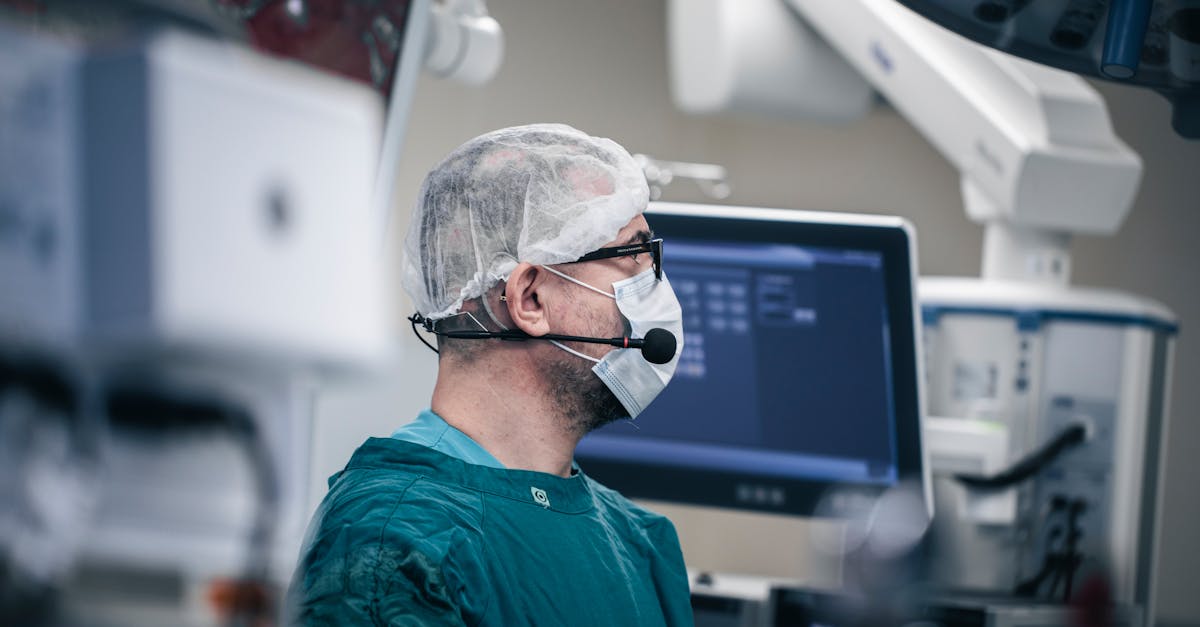
Effective ventilator management during surgery is vital for patient safety. Explore key principles guiding intraoperative mechanical ventilation.
Proper ventilator settings during surgery are essential to ensure patient safety and optimal outcomes. The approach to intraoperative mechanical ventilation requires careful consideration of several key principles that cater to the physiological needs of patients undergoing surgery.
Understanding Ventilator Settings
Ventilator settings must be adjusted based on the type of surgery and the specific needs of each patient. Tidal volume, respiratory rate, and oxygen concentration are crucial parameters that need to be tailored. Typically, a lower tidal volume is recommended to minimize the risk of lung injury, while maintaining adequate oxygenation and ventilation.
Additionally, monitoring and adjusting the positive end-expiratory pressure (PEEP) is vital. This helps to prevent alveolar collapse and maintain functional residual capacity, especially in patients undergoing lengthy procedures.
Individualized Patient Care
Individualized care is paramount when setting ventilators intraoperatively. Factors such as the patient's age, pre-existing lung conditions, and the nature of the surgical procedure influence ventilator settings. For instance, patients with chronic obstructive pulmonary disease (COPD) may require different settings compared to those with healthy lungs.
Continuous monitoring of arterial blood gases allows anesthesiologists to make real-time adjustments to settings to ensure optimal ventilation and oxygenation. This approach helps in reducing postoperative pulmonary complications and enhancing recovery.
Innovations and Best Practices
Advancements in ventilator technology have introduced features such as lung-protective ventilation strategies and automated closed-loop systems. These innovations facilitate more precise control over ventilatory parameters, allowing for enhanced patient safety and comfort.
Best practices also include the use of recruitment maneuvers to open collapsed alveoli and improve oxygenation. However, these should be applied judiciously to avoid potential barotrauma.
The integration of these principles and technologies requires a multidisciplinary approach involving anesthesiologists, surgeons, and perioperative nurses. This team-based strategy ensures that ventilator management is aligned with the overall surgical and patient care plan.