
Is Growth in India's Healthcare System Leading to Better Care?
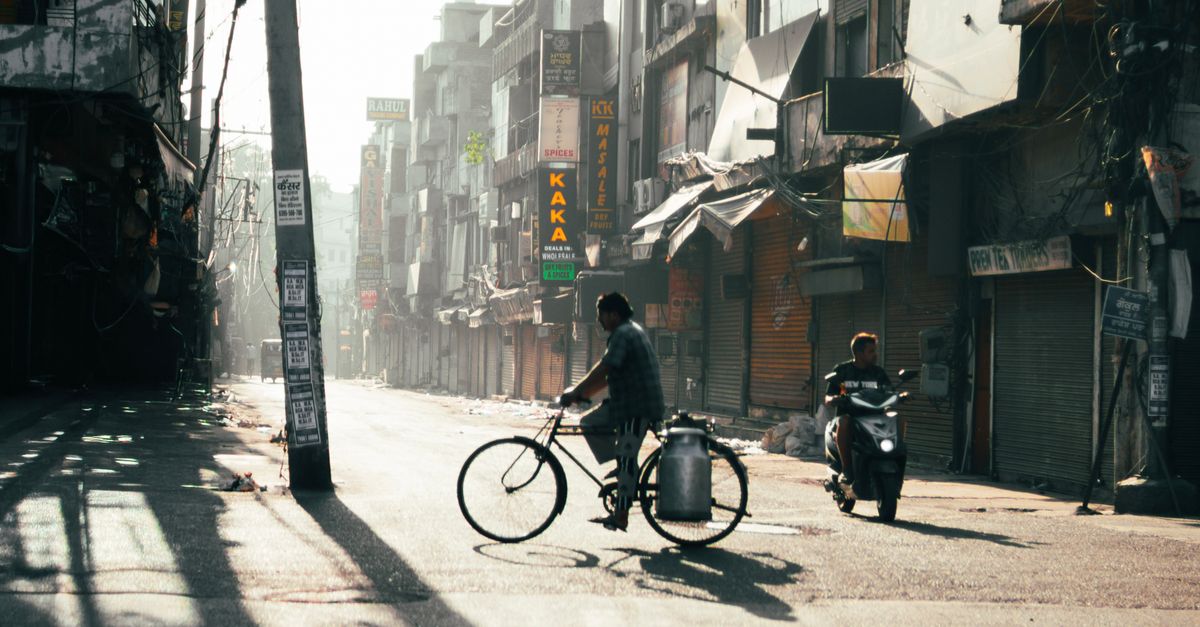
India's healthcare sector is expanding rapidly, but questions about quality and access remain.
India's healthcare system is experiencing unprecedented growth, driven by economic expansion, technological advancements, and increased government investment. Yet, as the sector booms, a critical question arises: Is this growth translating into better healthcare for India's 1.4 billion people?
Investment on the Rise
The Indian government has significantly increased its healthcare spending in recent years. In the 2021-2022 budget, healthcare expenditure saw a 137% increase over the previous year, reaching approximately $30 billion. This leap was primarily aimed at bolstering the country's infrastructure in response to the COVID-19 pandemic.
Additionally, private sector investment has surged, with numerous startups and established companies focusing on telemedicine, health tech, and pharmaceuticals. The digital health market alone is expected to grow at a compound annual growth rate of 29% between 2020 and 2025, according to a report by RedSeer Consulting.
Challenges in Access and Quality
Despite these investments, the distribution of healthcare resources remains uneven. Urban areas, which house around 35% of the population, enjoy most of the advanced medical facilities. In contrast, rural regions, where over 65% of Indians reside, often lack basic healthcare services.
This disparity is evident in the doctor-to-patient ratio, which the World Health Organization recommends at 1:1000. In India, the ratio is approximately 1:1456, with stark differences between urban and rural areas. This shortage is compounded by inadequate infrastructure in rural clinics and hospitals, where essentials like electricity and clean water can be inconsistent.
Technological Advancements and Their Impact
Technology is playing a crucial role in bridging some of these gaps. Telemedicine platforms have expanded, providing remote access to healthcare professionals, which has been particularly beneficial during the pandemic. Platforms such as Practo and 1mg have seen increased adoption, offering consultations, diagnostics, and medicine delivery online.
However, the digital divide poses a significant challenge. Internet penetration in rural areas remains low, and many citizens are not technologically savvy, which limits the potential reach of these services. Moreover, regulatory frameworks for telemedicine are still evolving, which can create uncertainty for providers and patients alike.
The Role of Policy and Regulation
Government policy will be critical in ensuring that the growth in India's healthcare sector is both sustainable and equitable. The National Health Policy of 2017 aimed to increase public health expenditure to 2.5% of GDP by 2025, yet progress towards this target has been slow.
Regulatory reforms are necessary to streamline medical education, improve quality standards, and ensure fair pricing in healthcare. The introduction of the National Medical Commission in 2020 was a step towards reforming the medical education sector, but its impact remains to be fully seen.
Looking Ahead
India's healthcare system is at a crossroads. While there is potential for growth to improve care, much depends on addressing the systemic challenges that hinder equitable access. "Investment must be matched by intent and policies that prioritize accessibility and quality," says Dr. Randeep Guleria, a leading healthcare expert in India.
As the nation moves forward, the focus must remain on creating a healthcare system that serves all its citizens, not just those in urban centers. Whether the system can meet these demands will define the future of healthcare in India.